How Weight Loss and Weight Gain Affect Bra Fit
There are two items in your wardrobe that won’t lie about your weight; your jeans and your bra. Whether you’ve lost some weight or gained it, these are the first places you’re likely to notice the change, and can also be the least forgiving.
No one wants to invest in a brand-new wardrobe every time your body fluctuates, but while some items can straddle multiple sizes, your bra is a bit more fickle. That's because it's specific to sizing, balancing your band and your cup to give you the right support. Changes in your body weight can affect either one, or both.
The tricky part is that everybody responds differently. Some women lose or gain in their breasts first, and for others, it’s their torso. That's why it’s not as easy as just ‘sizing up’ or down in your bra the way you do with your favourite jeans.
The good news? Weight changes don't automatically mean you need a new bra. It's one of the most common questions our fit team is asked, because the relationship between body weight and bra size is much less straightforward than most people expect.
With that in mind, here's how to tell whether it's time for a refit, a different style, or simply a few small adjustments.
How Much Weight Change Affects Bra Size
There isn't a set amount of weight that changes your bra size. Some women notice a difference after losing or gaining just a few kilograms, while others can experience much larger body changes before their bras fit differently.
That's because bra fit isn't determined by your weight alone. It's affected by where your body stores fat, how much of your breast is fatty tissue versus glandular tissue, and whether your ribcage measurements have changed.
Rather than focusing on the number on the scales, pay attention to how your bra fits. Support, comfort, and fit are much more reliable indicators than a change in body weight alone.
Signs Your Bra Size Has Changed
It doesn't usually happen overnight. Maybe you've realised you’re fastening on a different hook than you used to. You might notice the tops of the cups gaping when you lean forward, or you're spilling out where everything used to sit comfortably. Maybe your underwire has started digging in, or you've found yourself tightening your straps because the support just isn't there anymore.
These little changes are easy to dismiss individually, but together they're often your bra's way of saying, "something's changed." Weight changes are only one reason bra fit changes. Hormonal changes, menopause, pregnancy, breastfeeding, ageing, and even changes in exercise can all alter breast volume, density, or shape without dramatically changing your clothing size.
As a general rule, small fluctuations can often be managed with minor adjustments, while larger changes usually mean it's time to be remeasured. A quick checklist:
You probably don't need a new bra if:
-
the band still sits level
-
the cups still contain your breast tissue comfortably
-
you're simply fastening on a tighter or looser hook
You should consider replacing or refitting if:
-
the band rides up
-
cups gape or overflow
-
wires sit on breast tissue
-
you constantly adjust your straps
-
your bra feels less supportive than it used to
If yours doesn't feel quite right anymore, it's worth taking five minutes to measure yourself again before buying your next one.
You might be surprised how much difference the right size can make. Our Guide on How to Measure Your Bra Size at Home walks you through the process step by step.
Do You Need New Bras After Weight Loss?
So, you've lost weight, and some of your wardrobe is starting to feel too loose. Does that mean you should be replacing your bras too? Not necessarily. The answer depends on how your body has changed, rather than how much weight you've lost.
Sometimes, weight loss mainly affects your band size. The cups still fit beautifully, but the band starts riding up because it no longer has enough tension to support your bust properly.
For other women, cup volume changes more noticeably while the band stays much the same. And sometimes your measurements barely change at all, but your breast shape does, meaning a different bra style suddenly feels more comfortable than one you've worn for years.
If you're only moving one row of hooks tighter or looser, and the cups still fit well, you may not need a new bra. If you're already on the last row of hooks and have no more wiggle room, or the cups and band both feel different, a bra in a different size or style could make a big difference.
Some Bras Adapt Better Than Others
Think about how much your body changes over the course of a year.
You might put on a couple of kilos over winter, lose them again in summer, retain water at different times of the month, or notice your shape changing through menopause. None of those things are unusual, but they can be enough to make a rigid bra suddenly feel like it doesn't fit quite as well as it did a few weeks ago.
That's one of the downsides of moulded bras. Because the cups hold such a fixed shape, they don't leave much room for your body to do what bodies naturally do. Even if your measurements haven't technically changed enough to move into a different size, small shifts in breast fullness can make a moulded cup start gaping, cutting in, or sitting awkwardly.
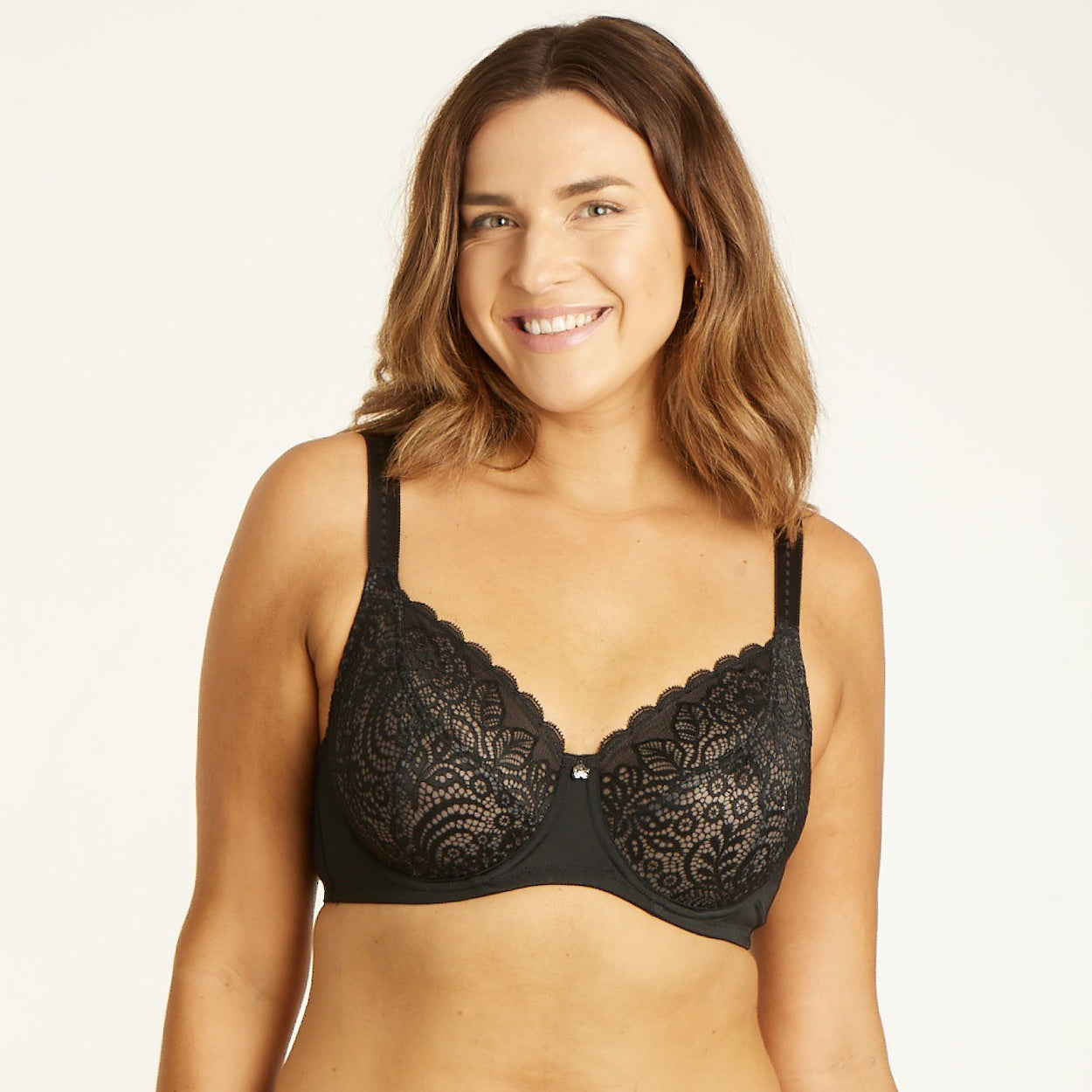
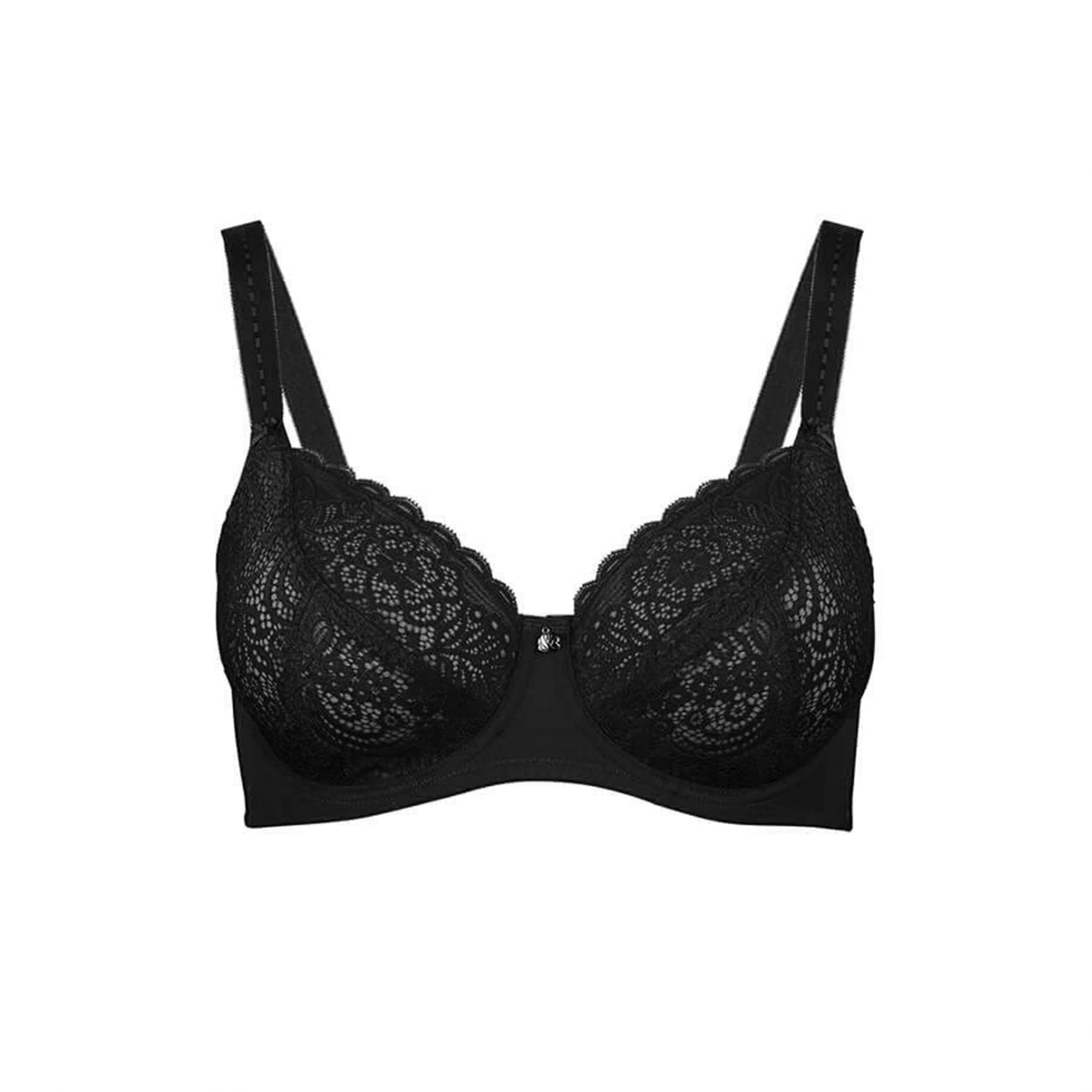
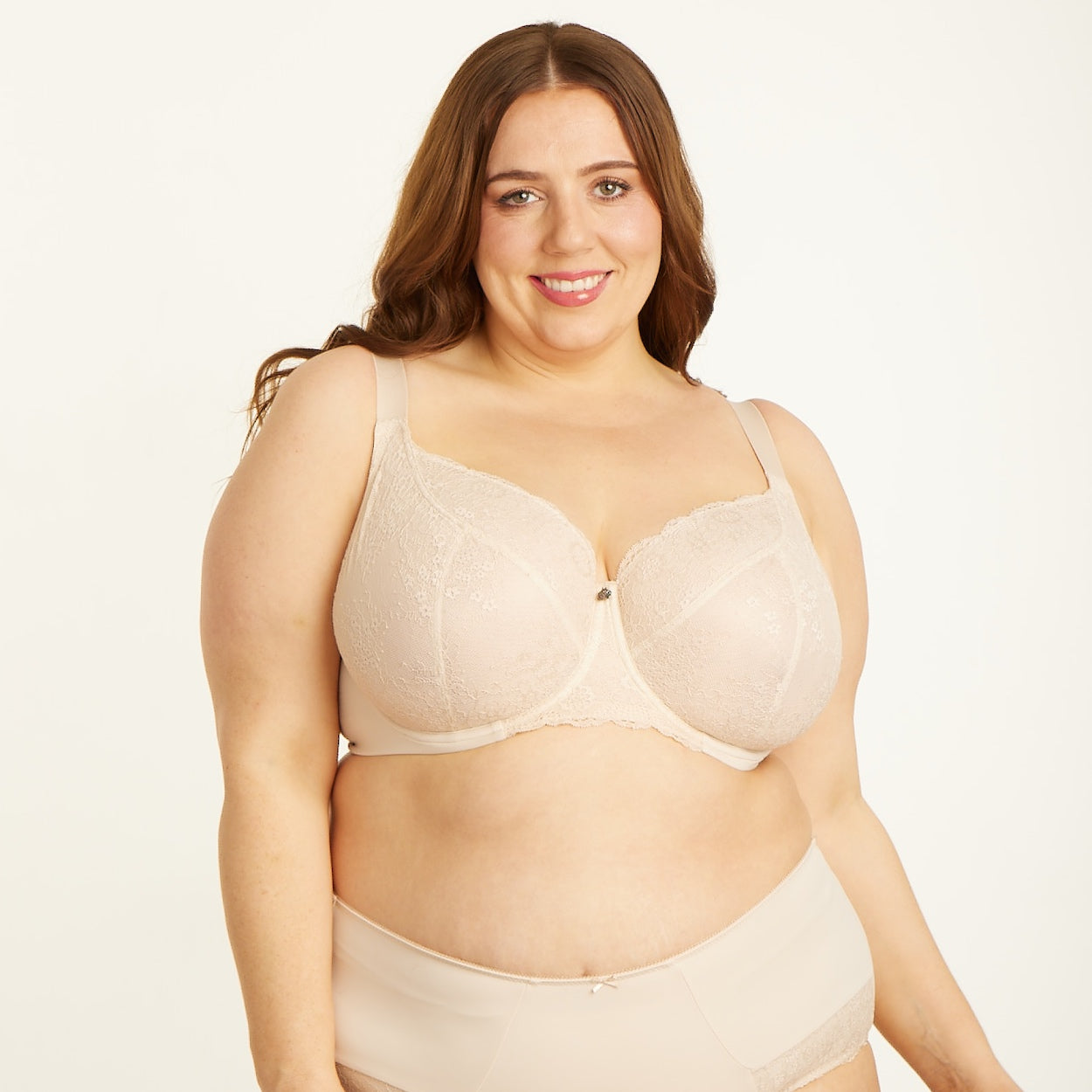
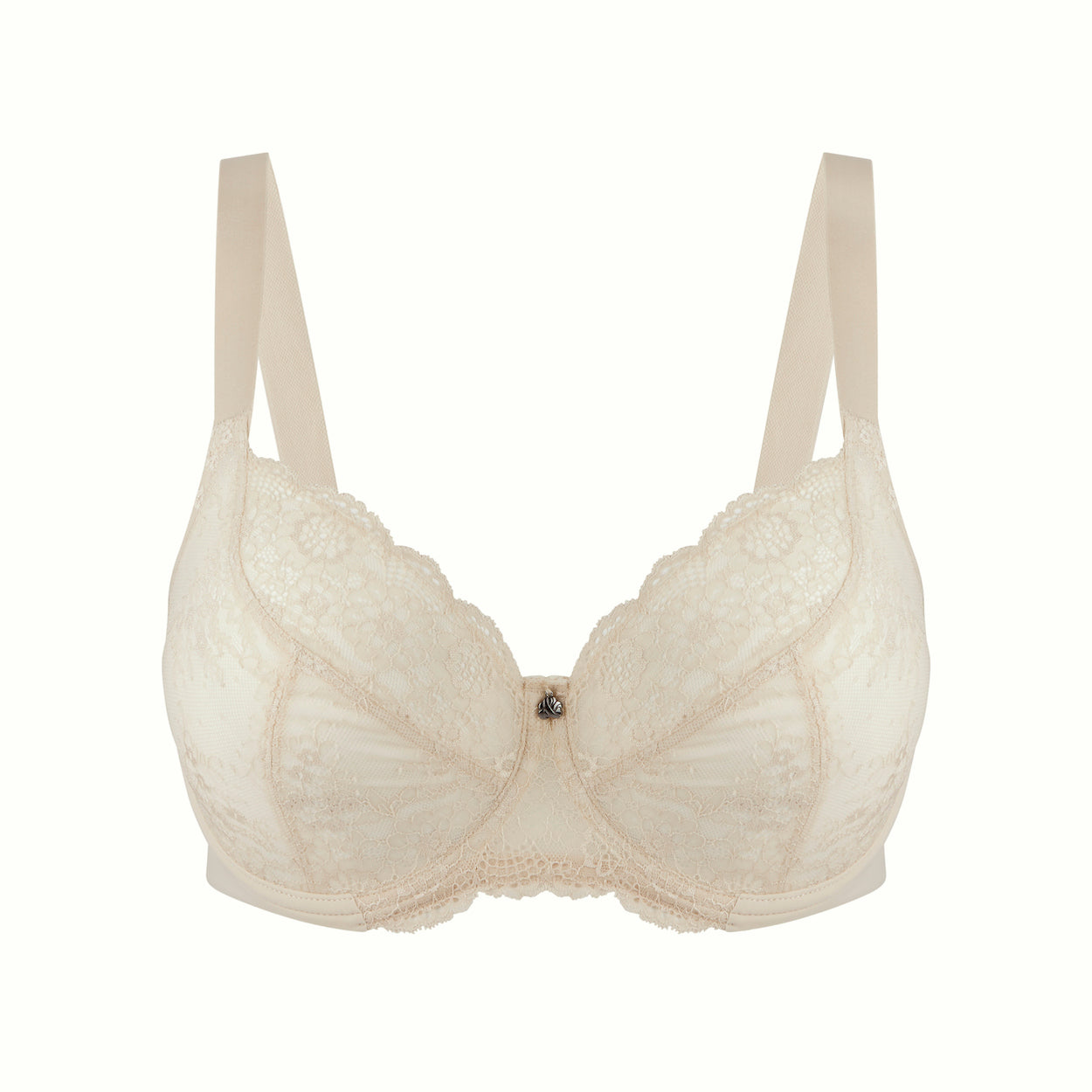
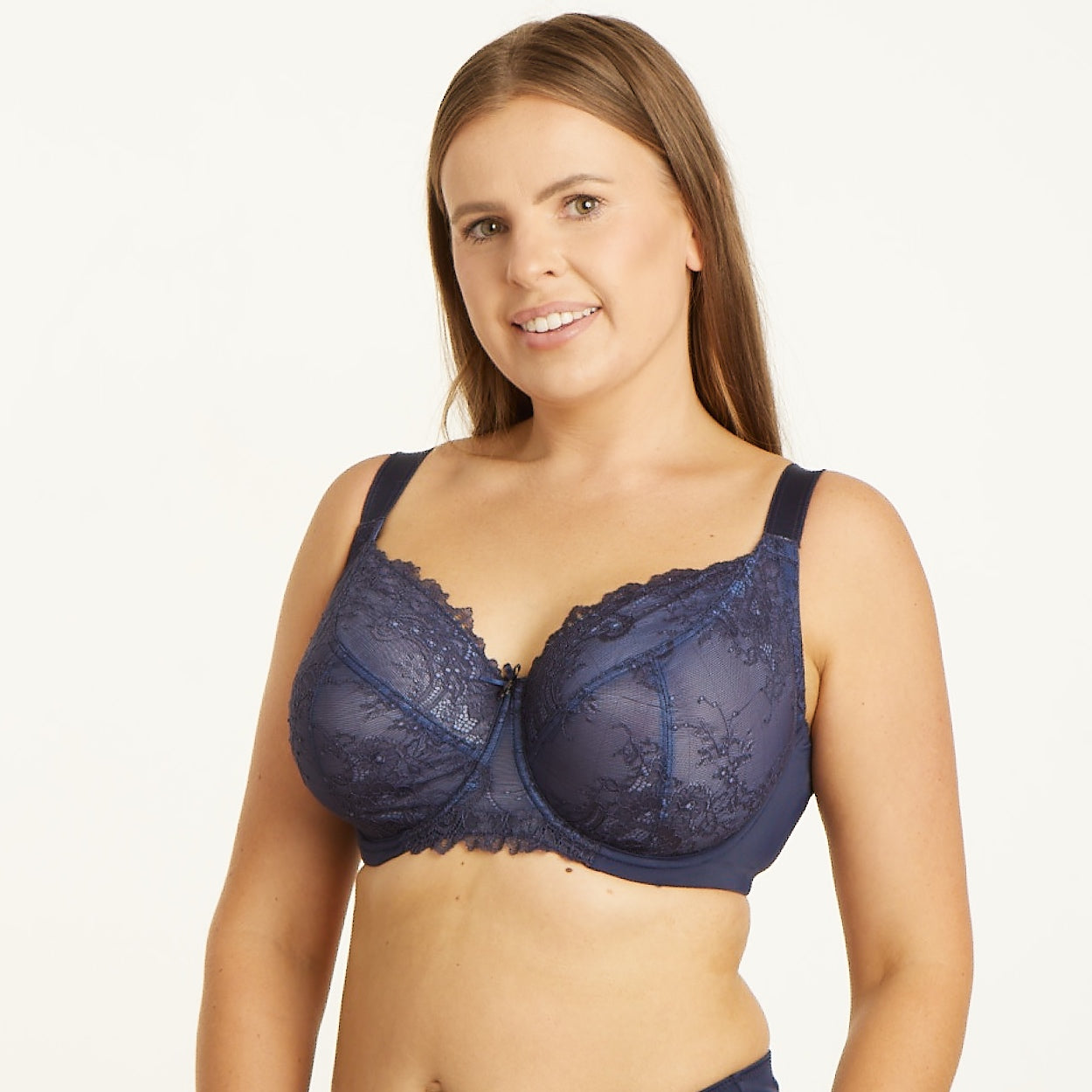
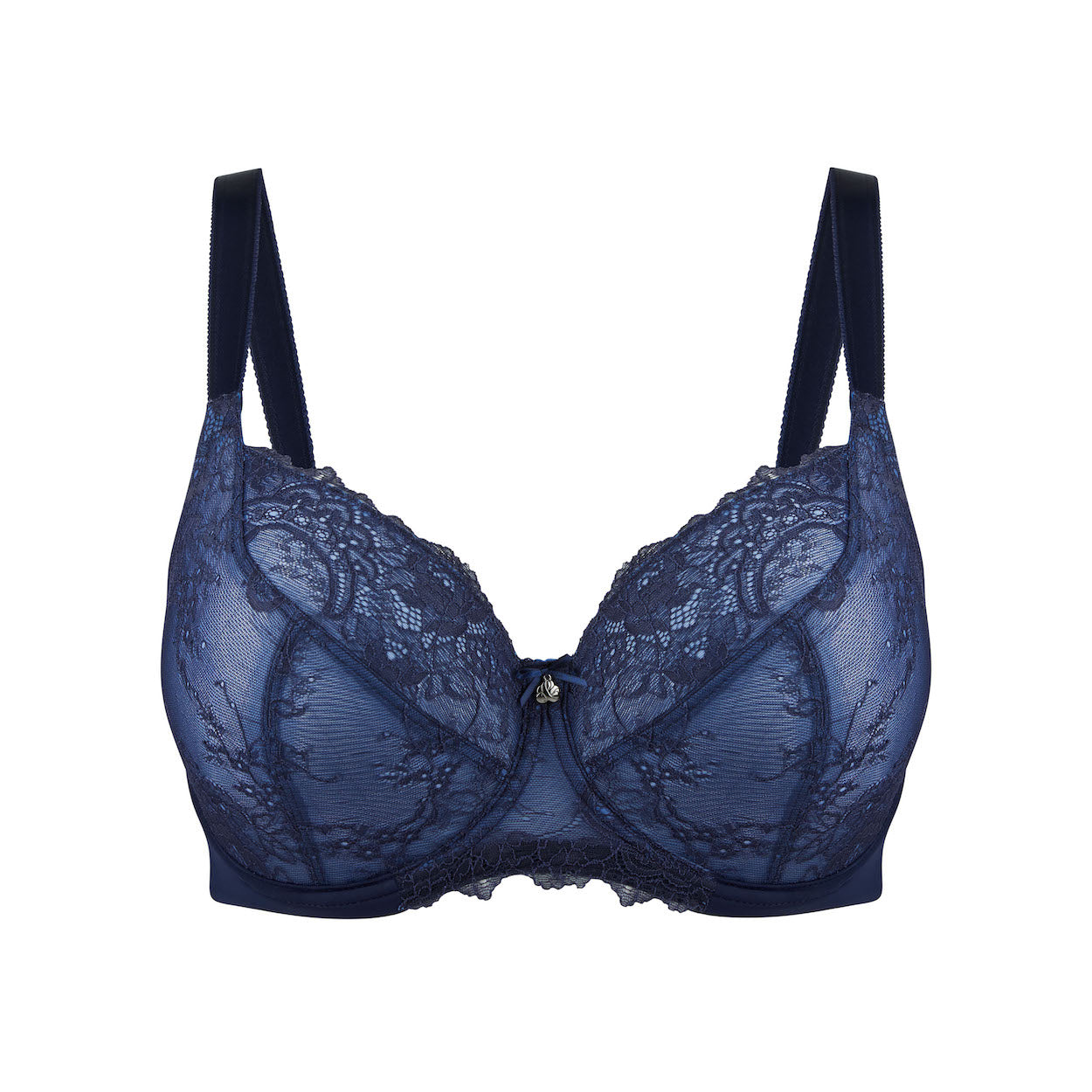
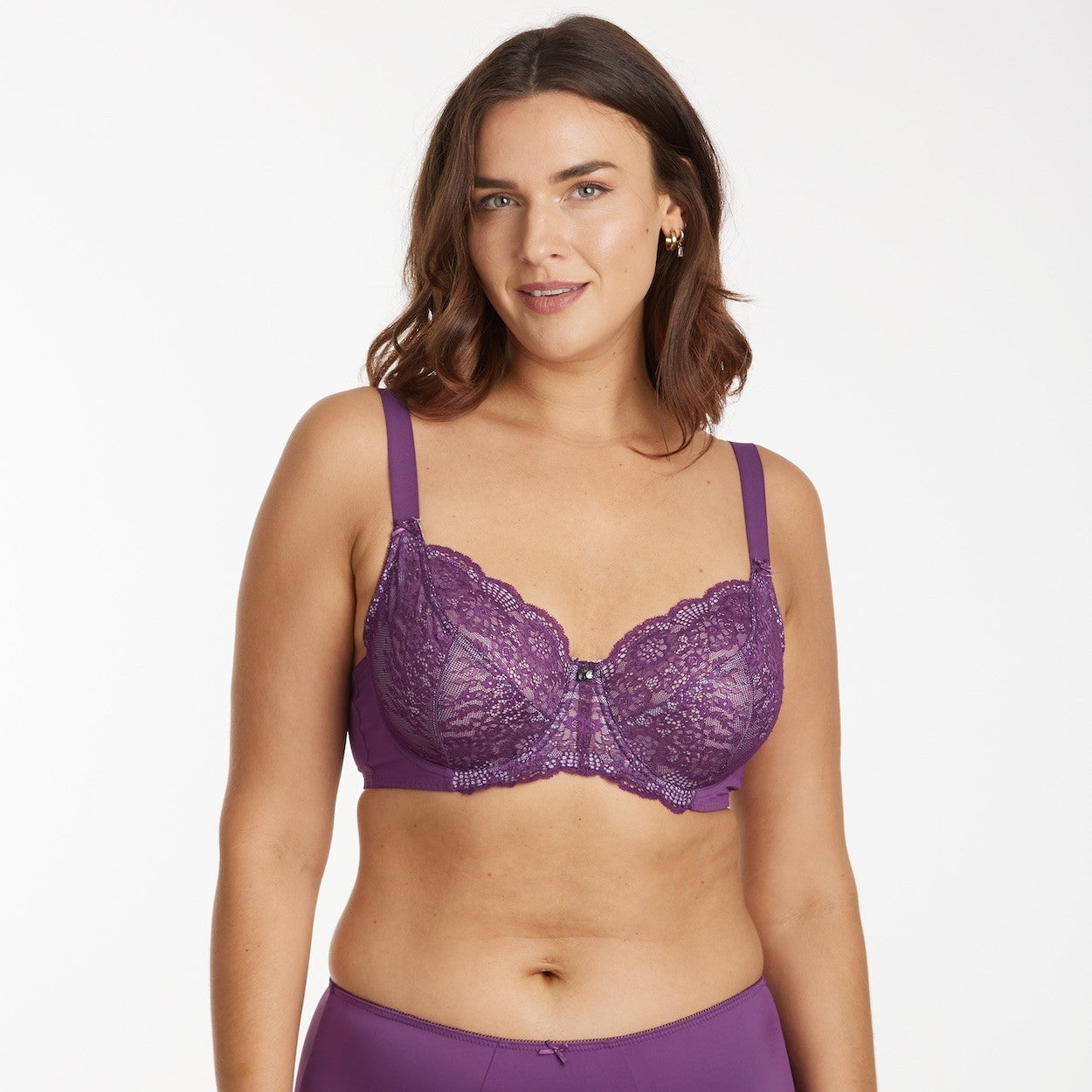
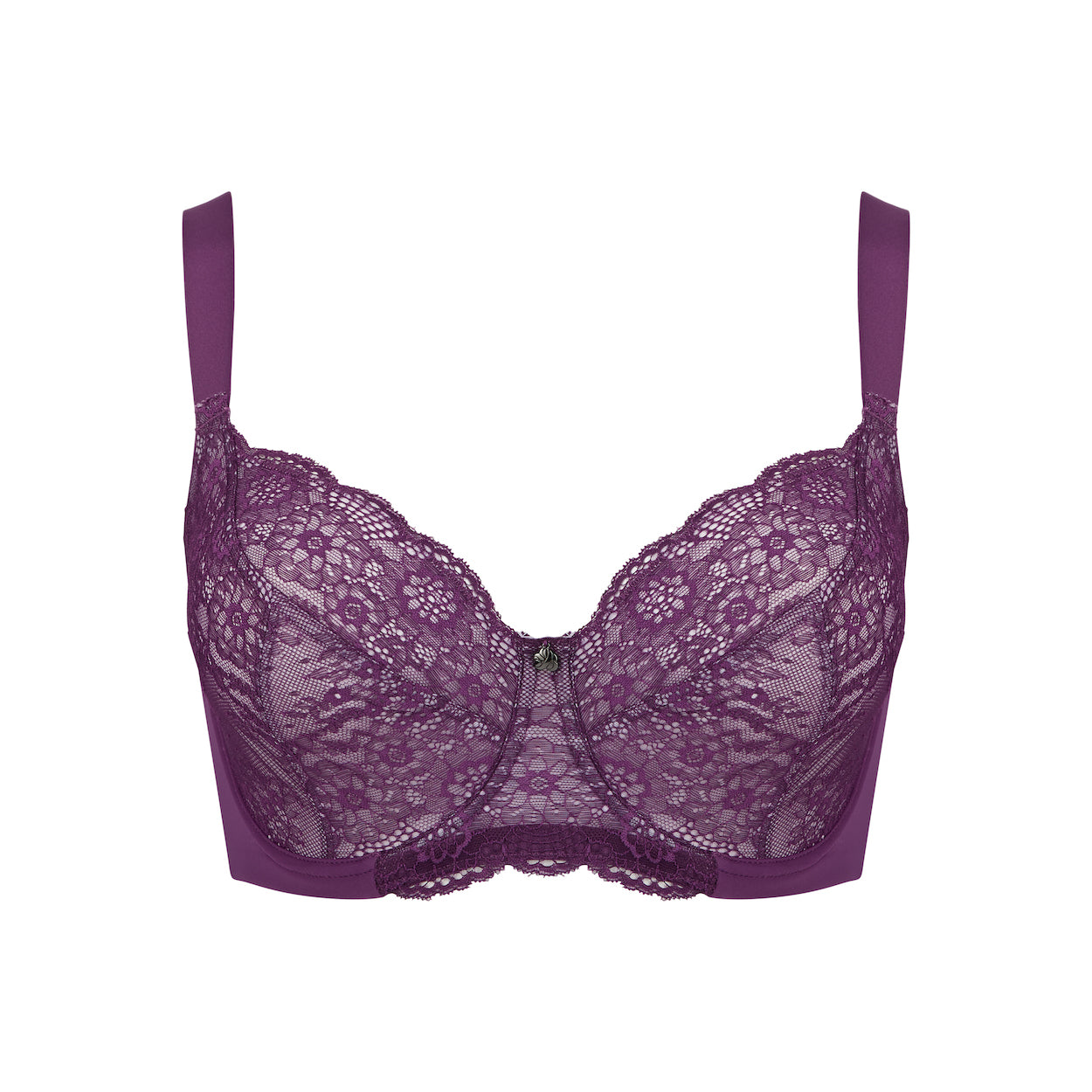
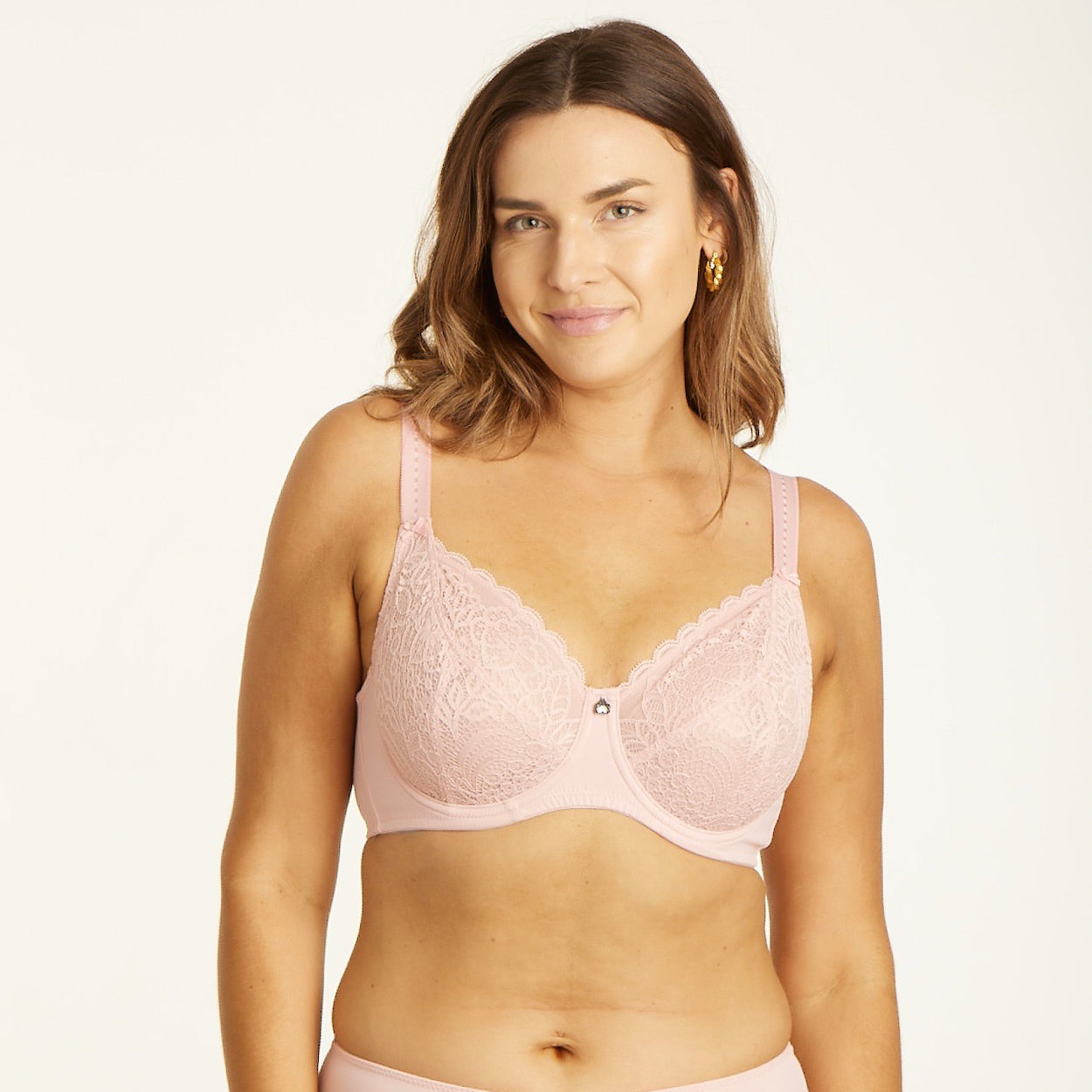
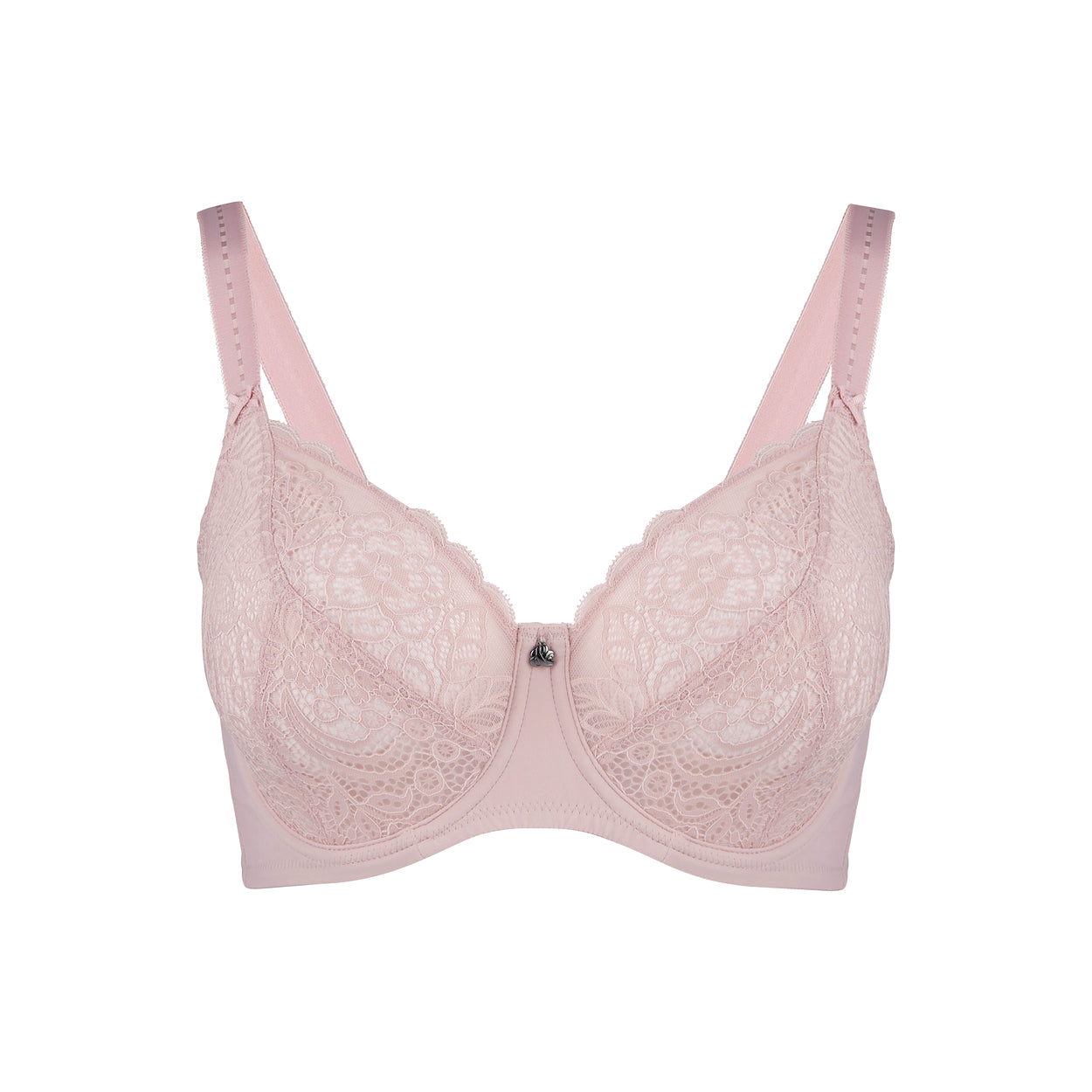
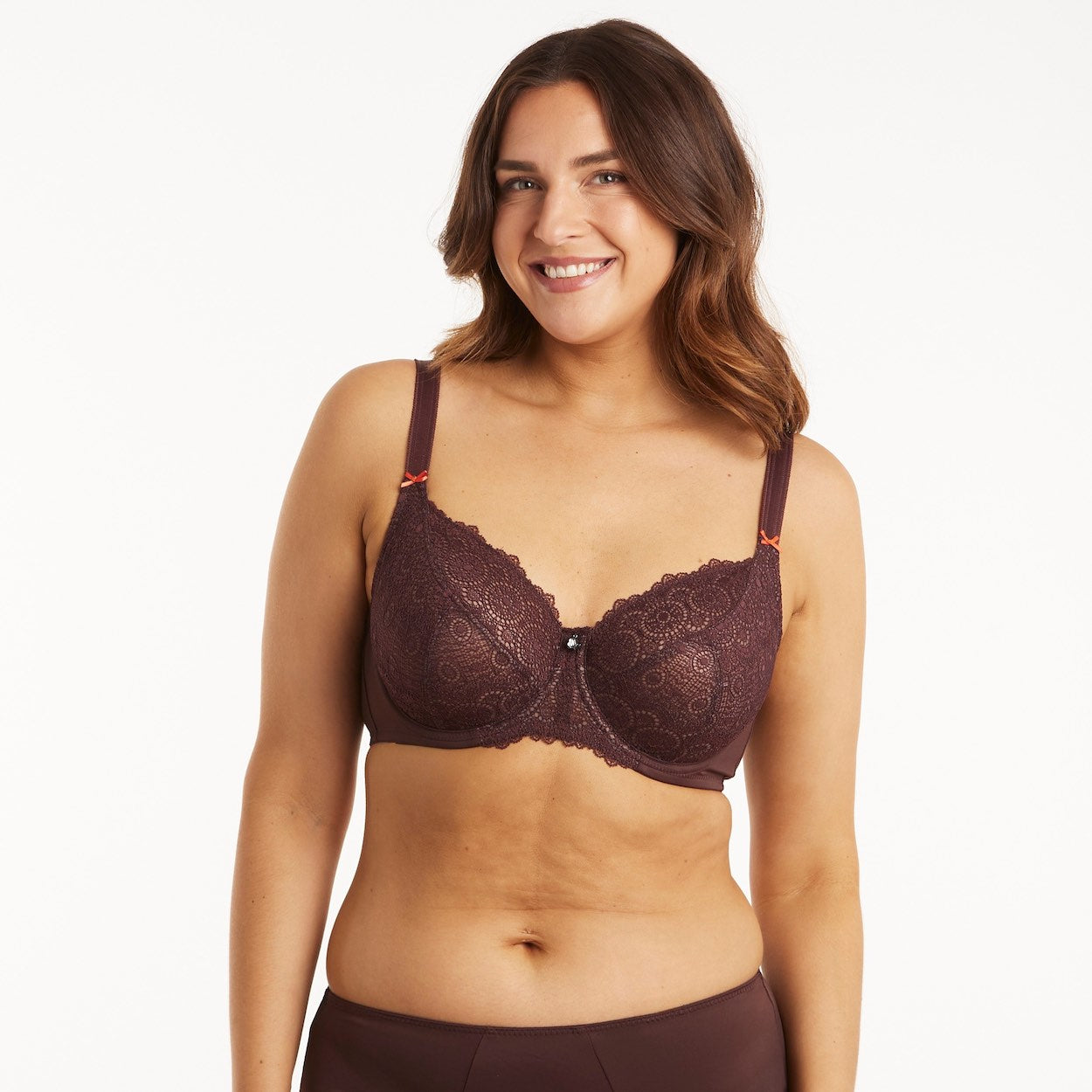
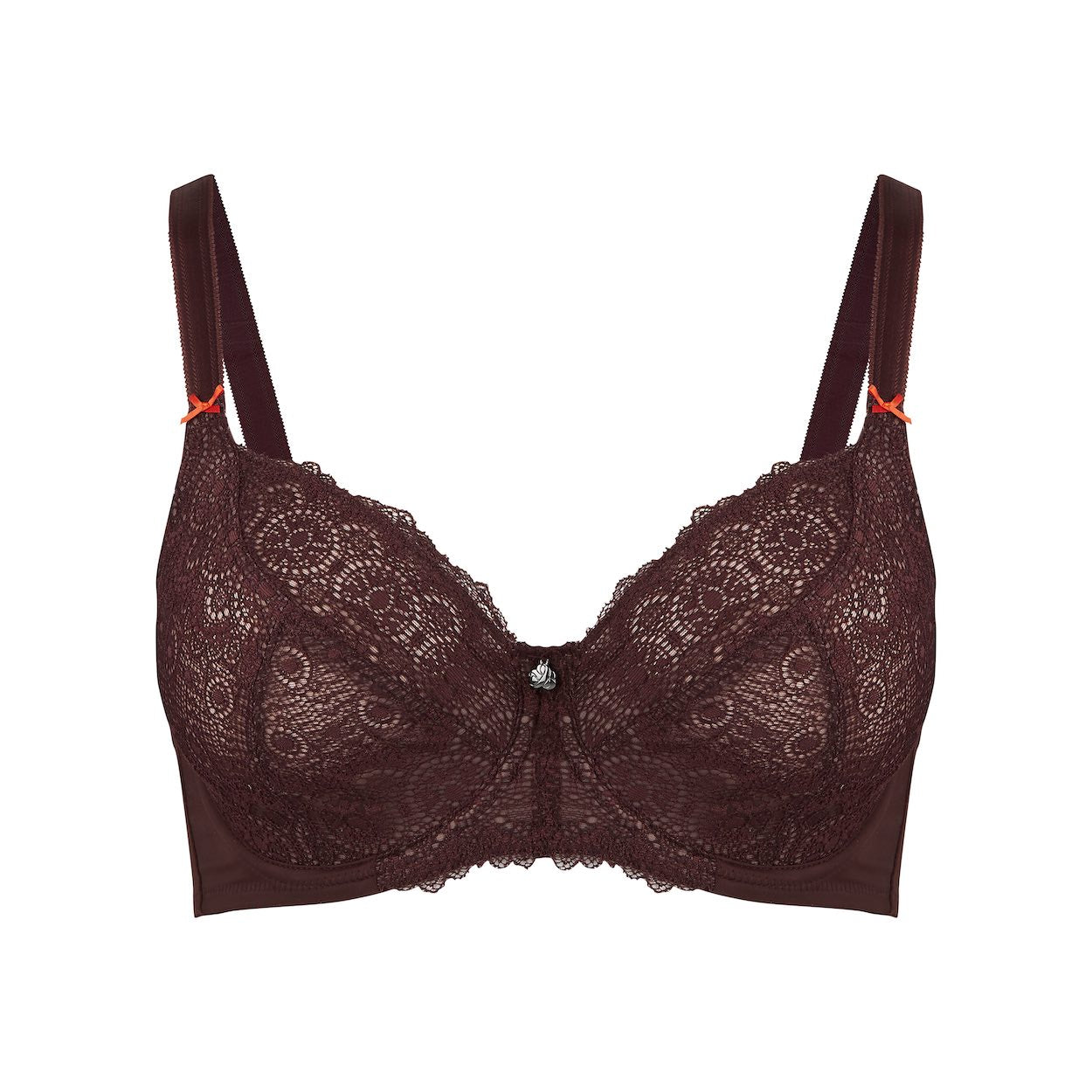
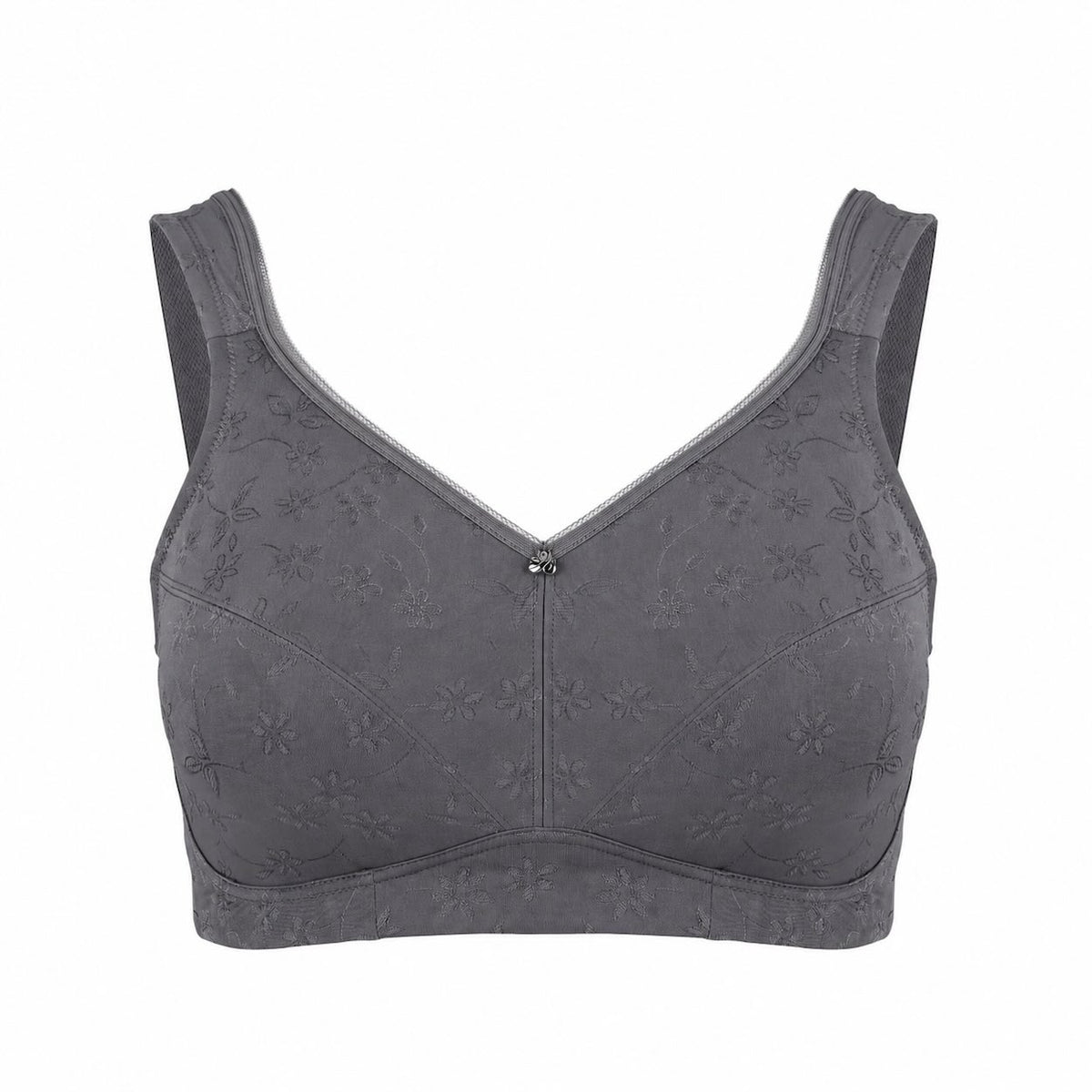
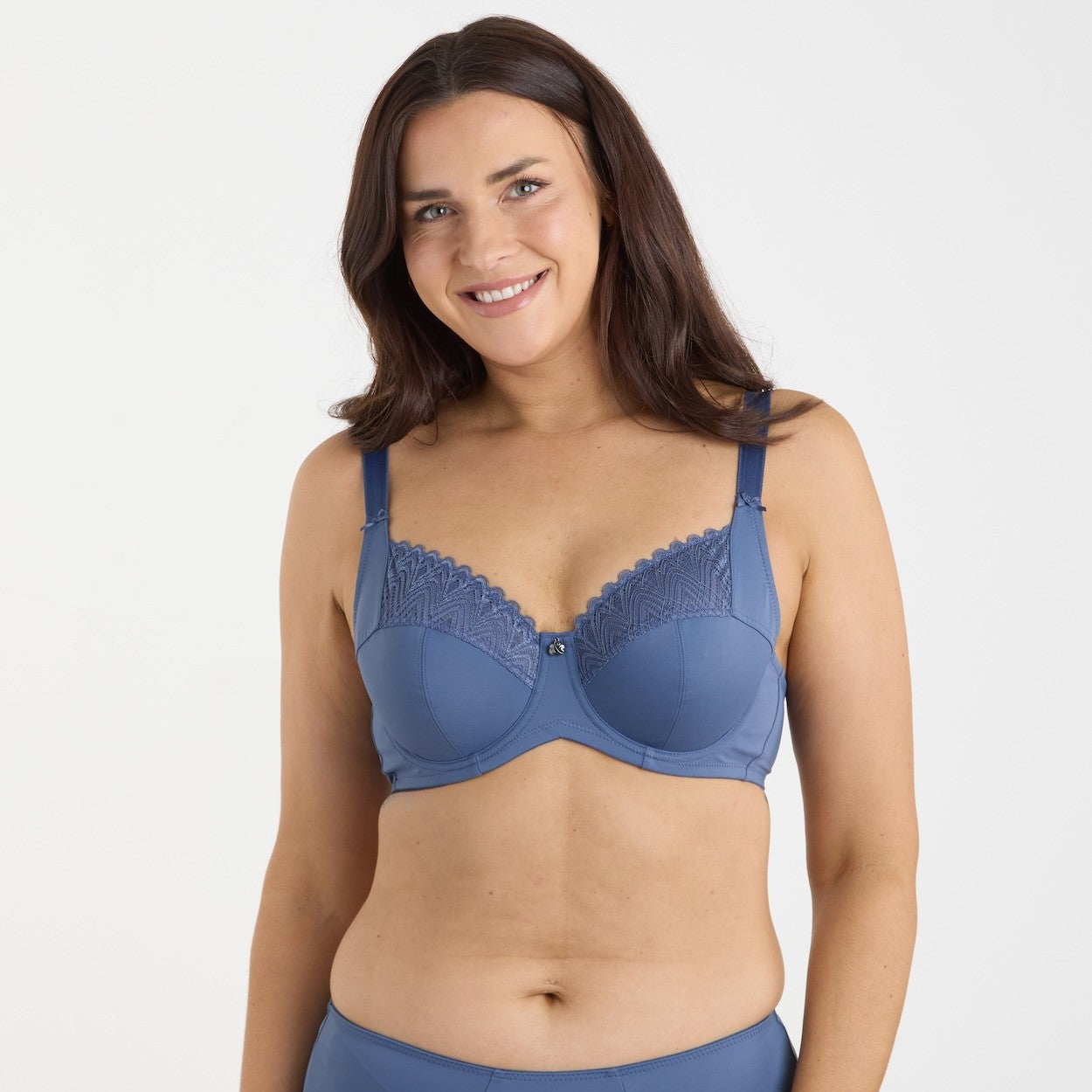
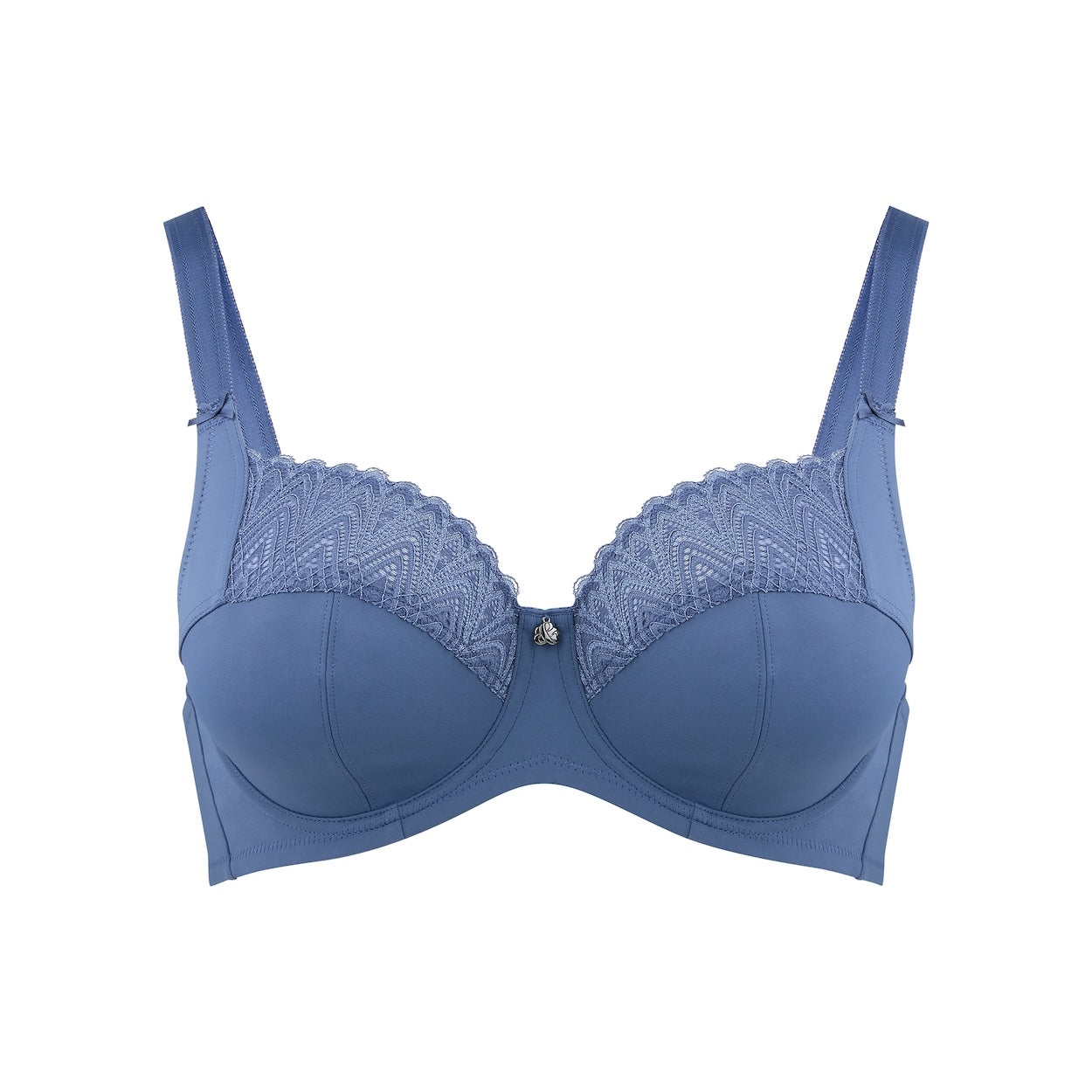
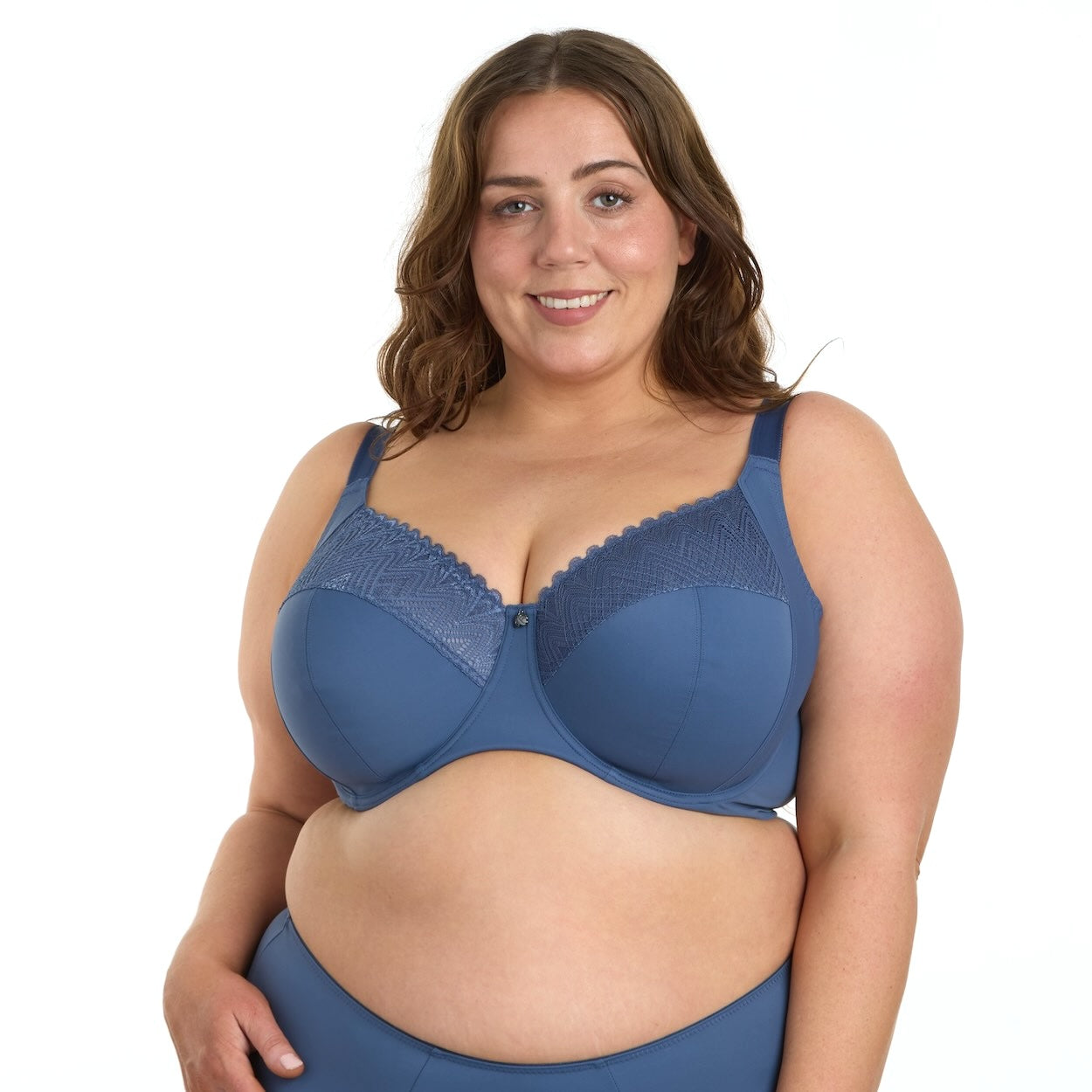
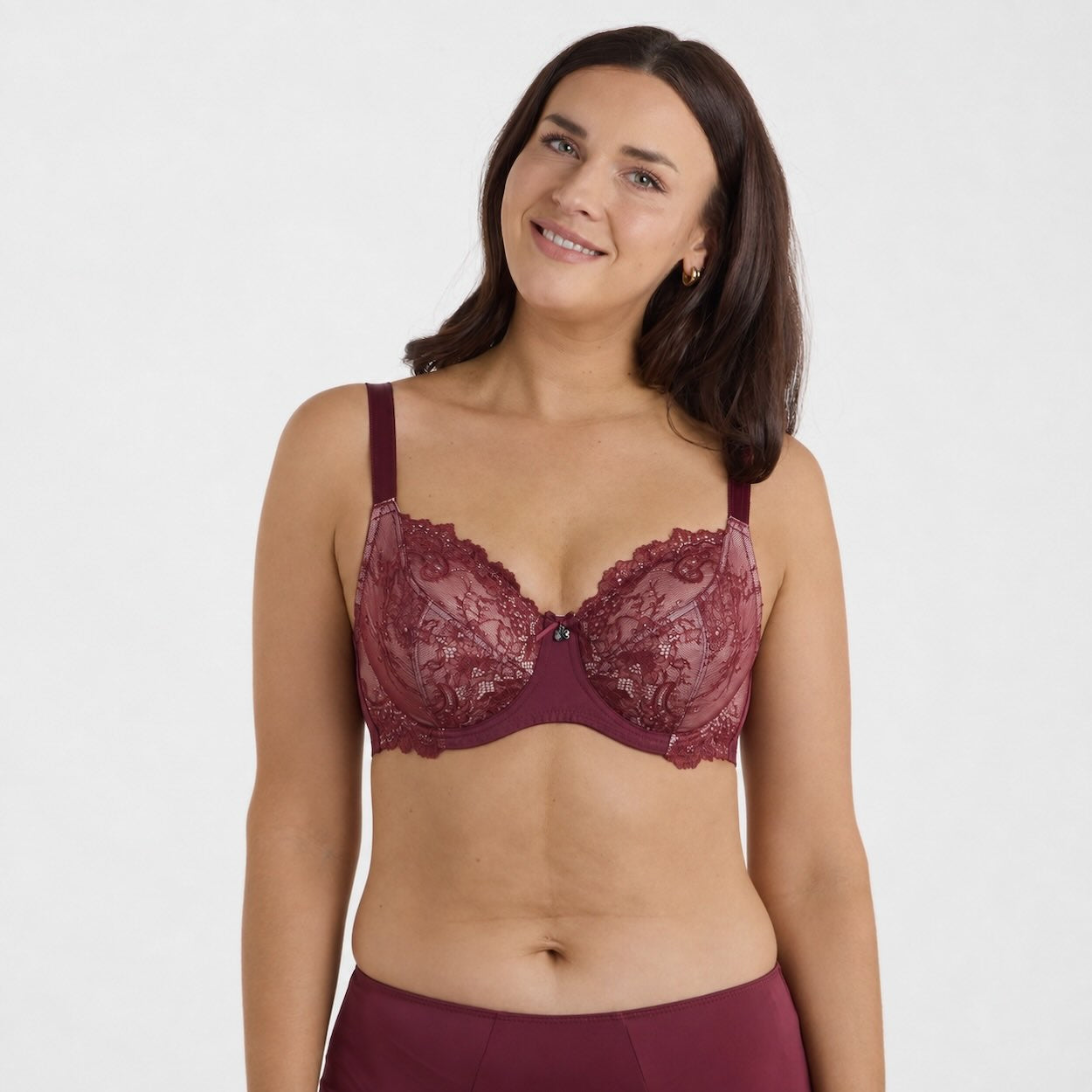
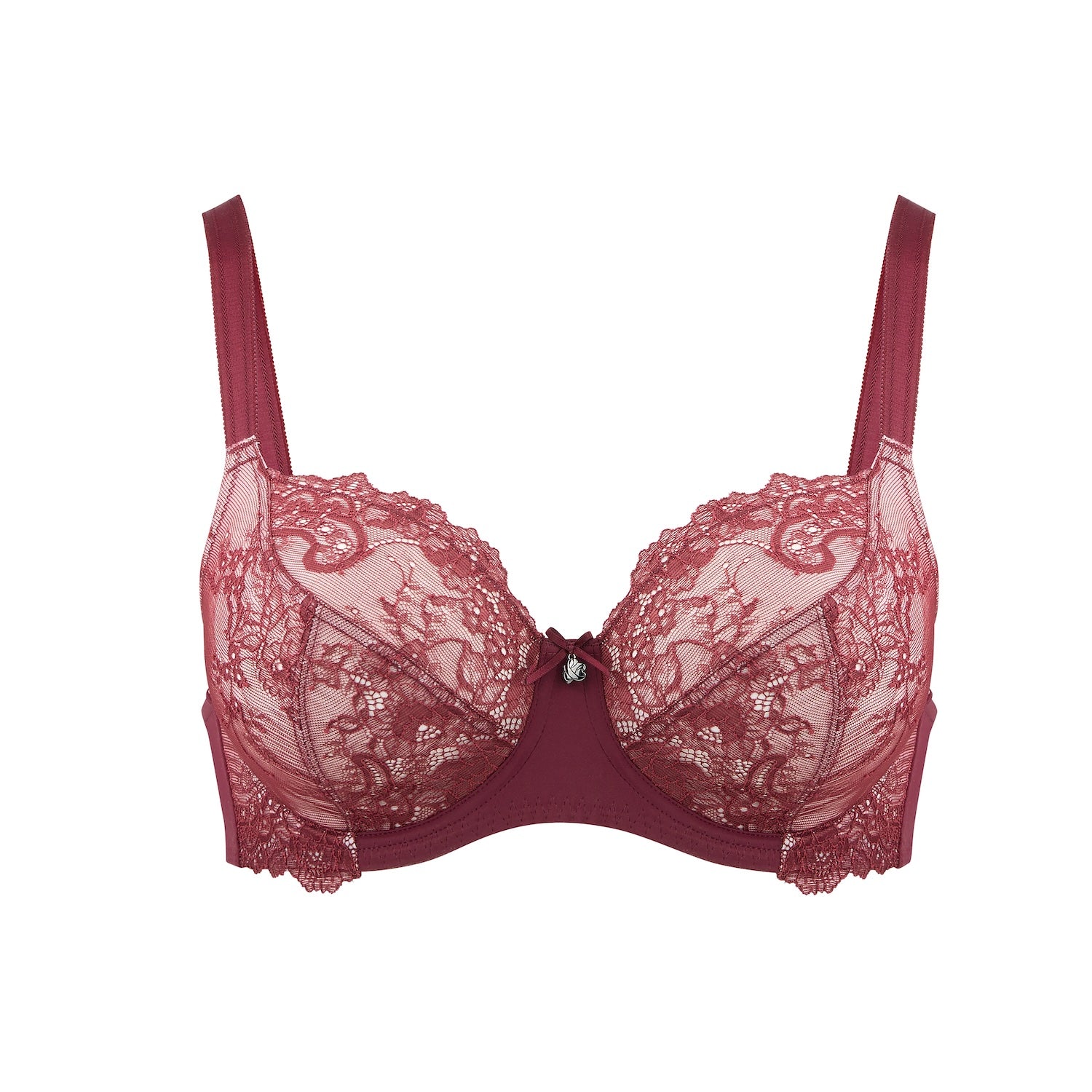
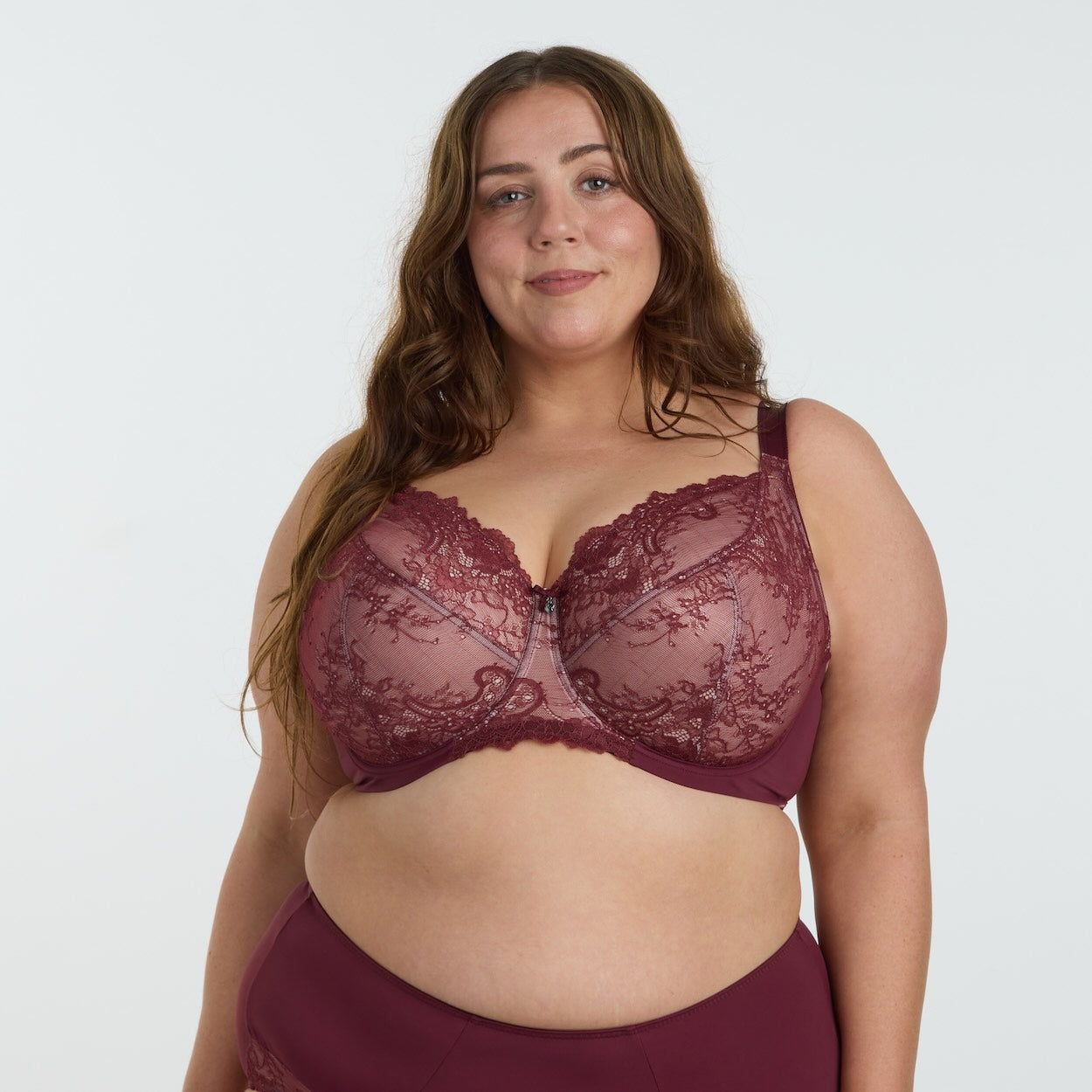
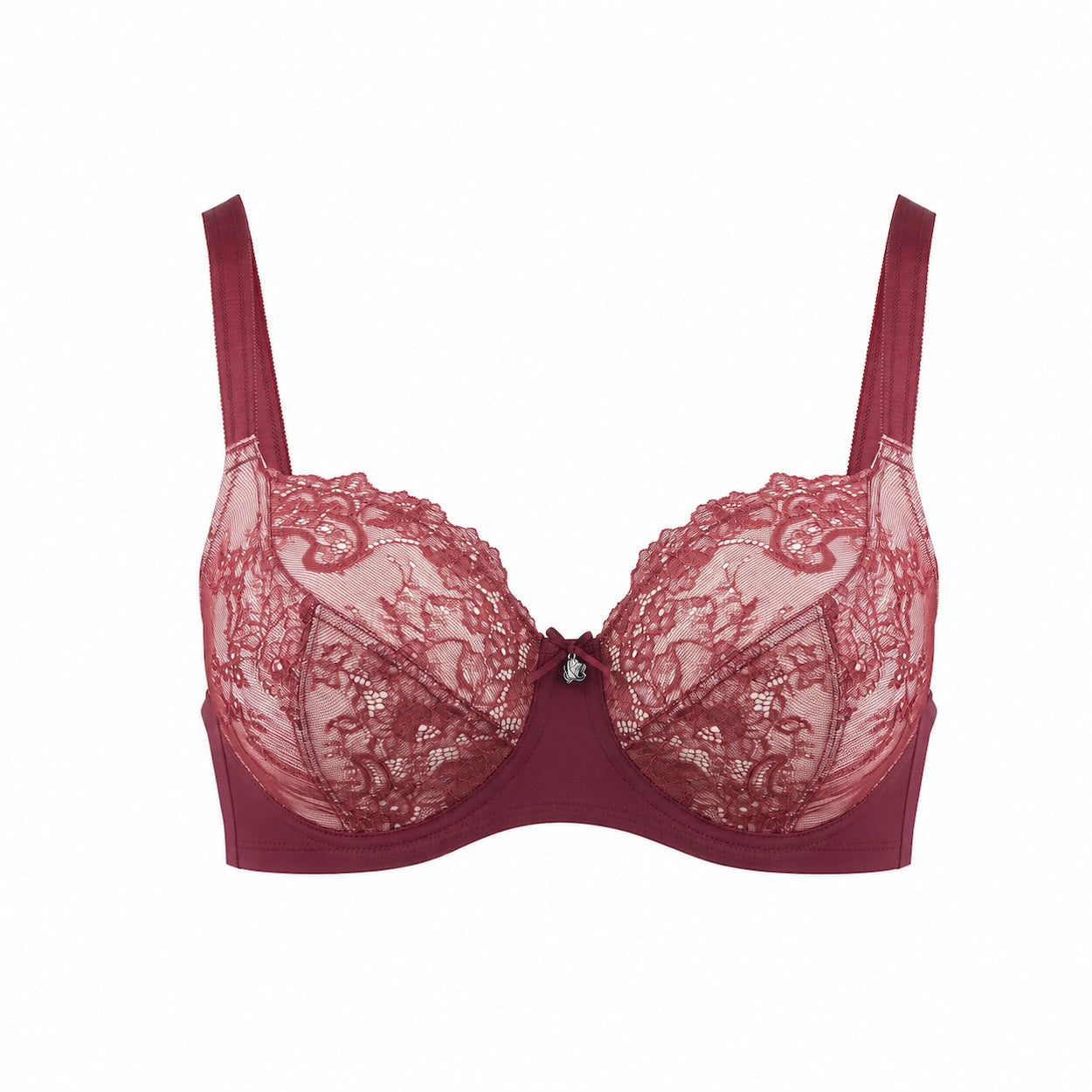
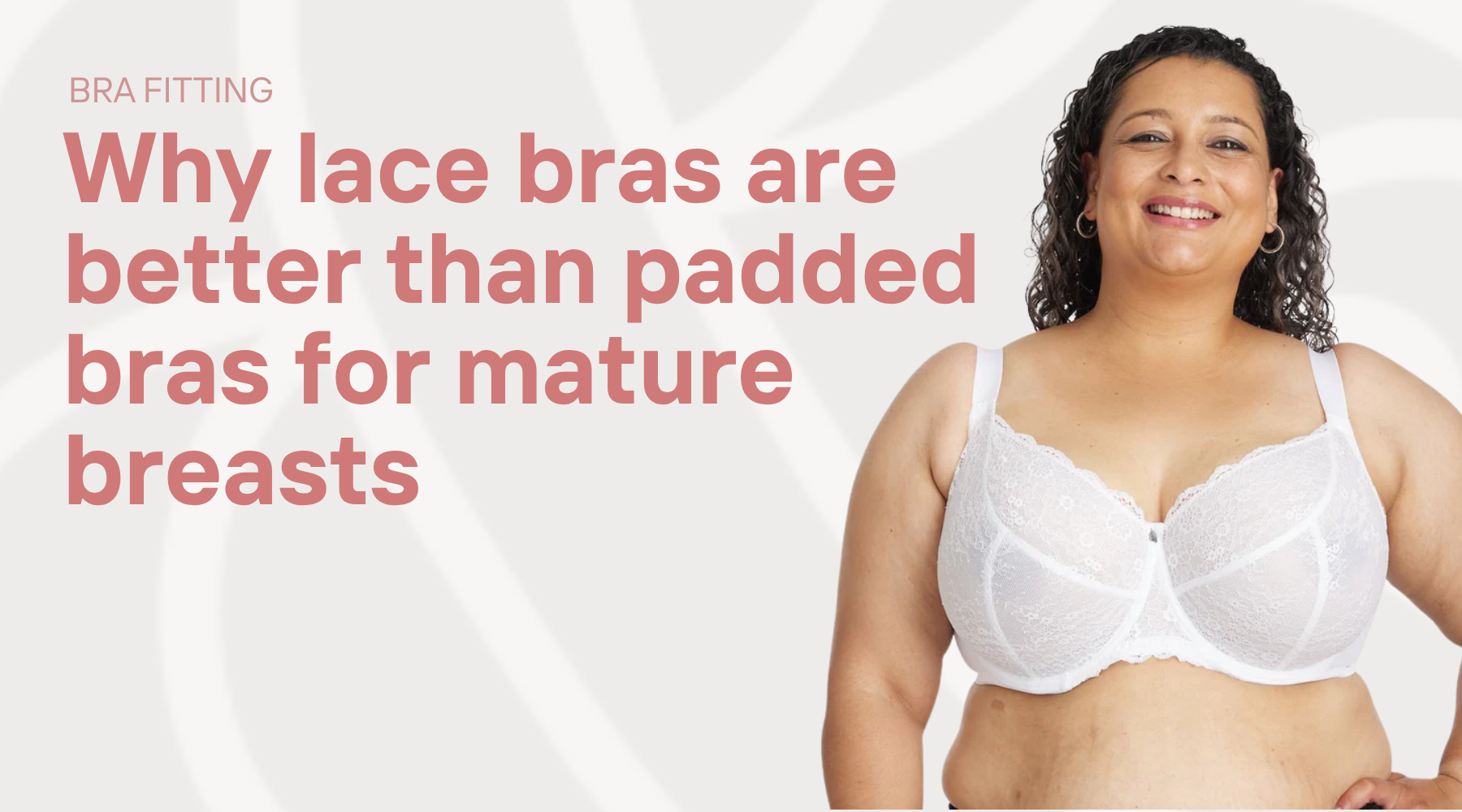
That's why lace bras are such a godsend for women, because they have enough flex in the cup to accommodate changes that padded bras can’t, and continue providing support if your breasts aren’t as full as they once were.
We cover this in more detail in Padded vs Non-Padded Bras.
Bras That Come in Flexible Sizes
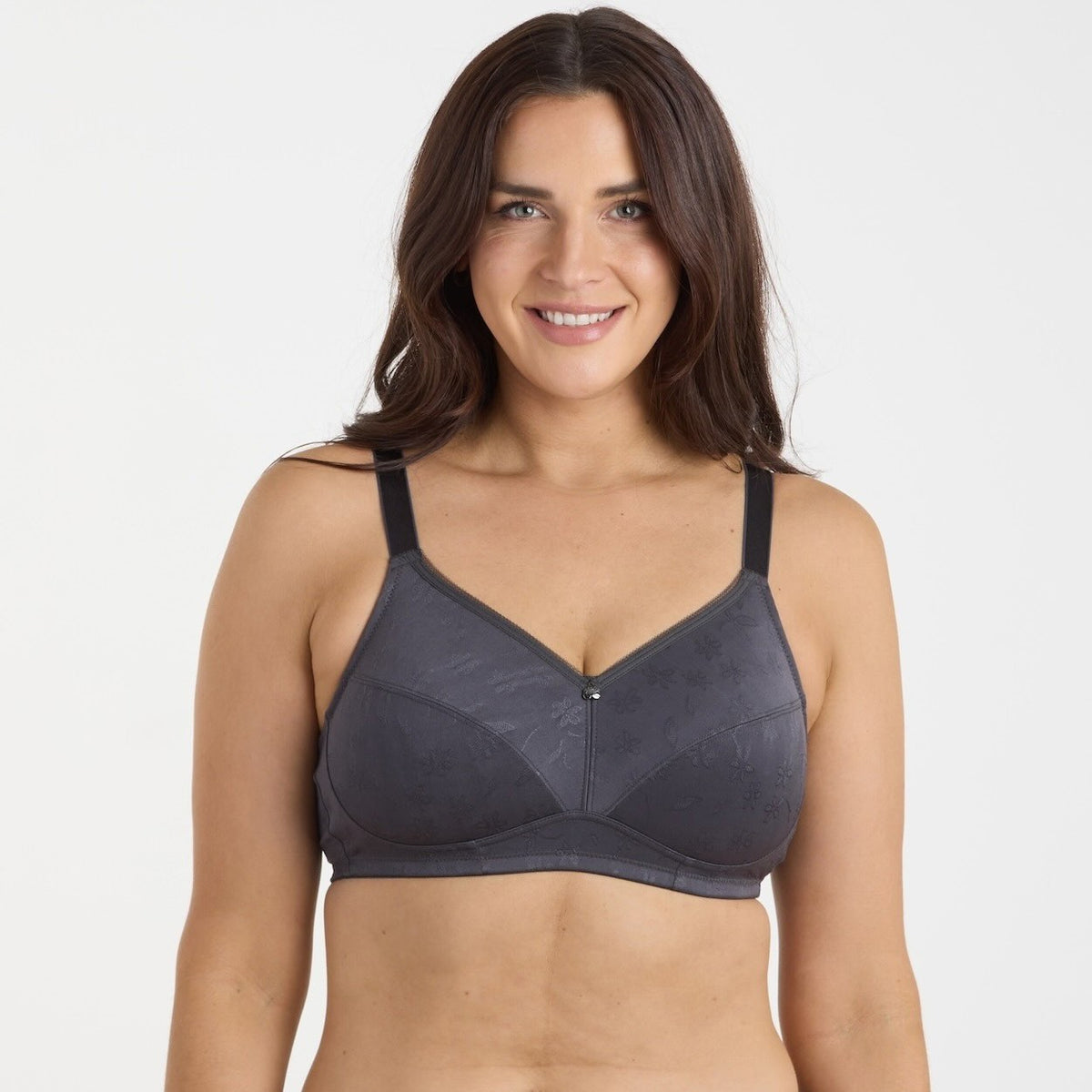
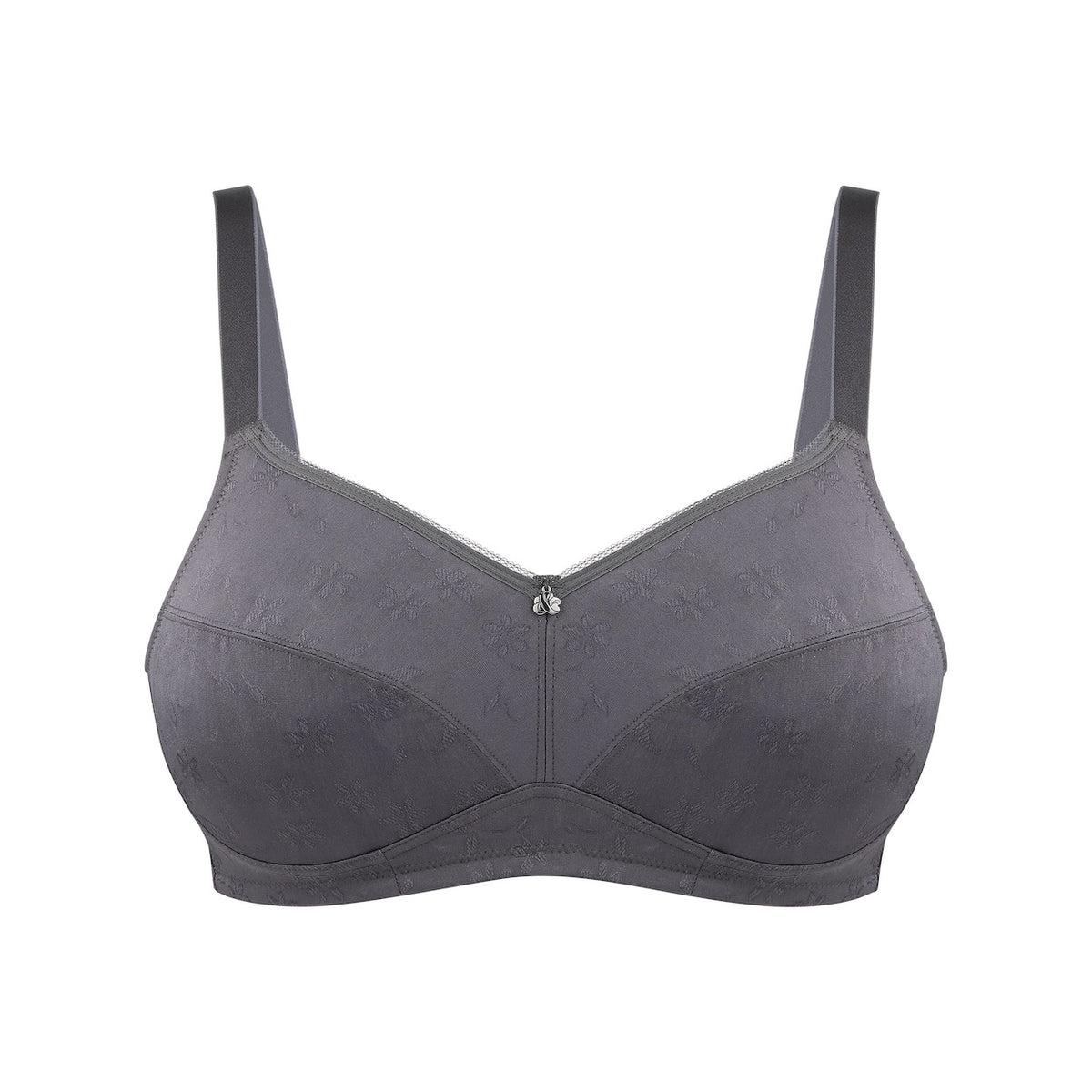
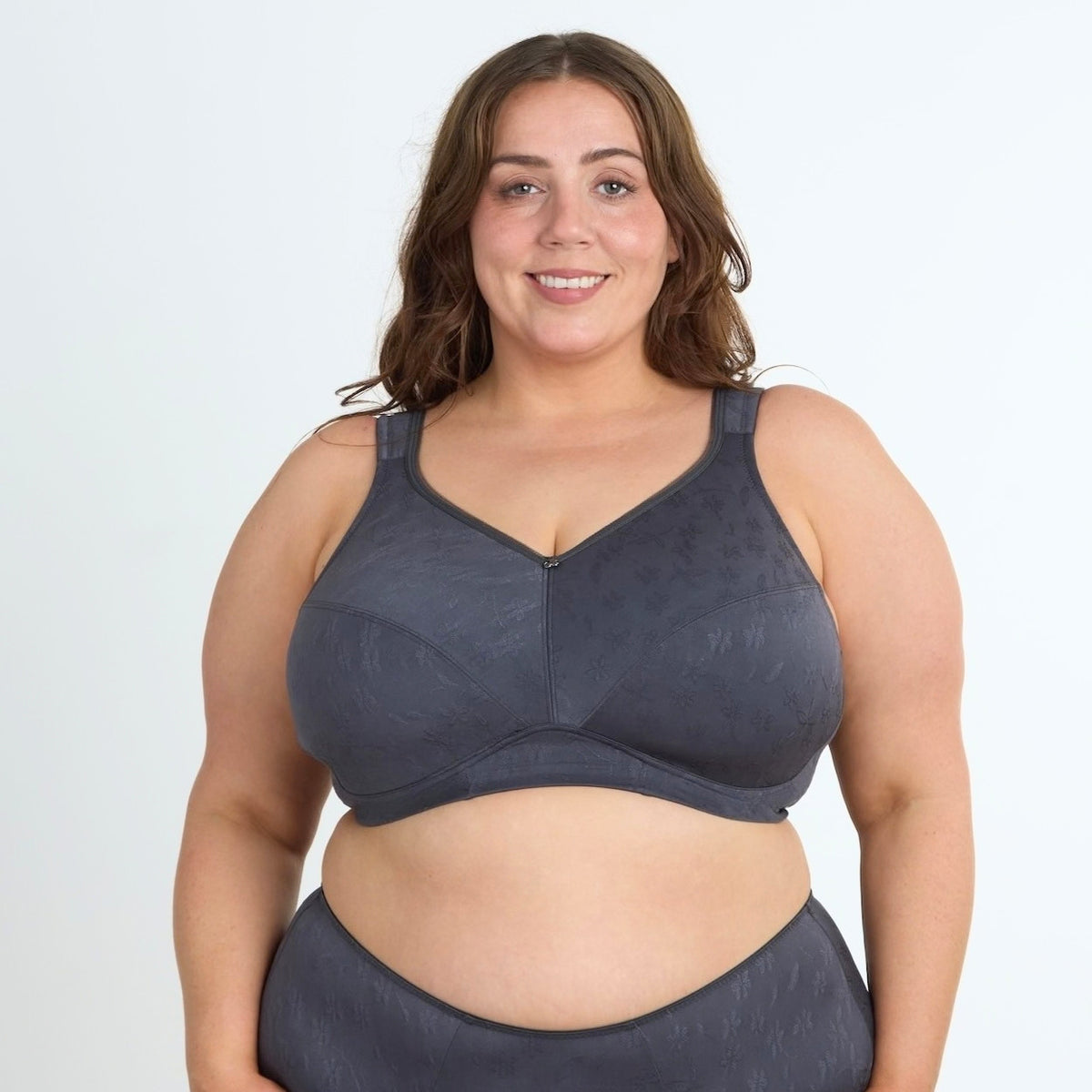
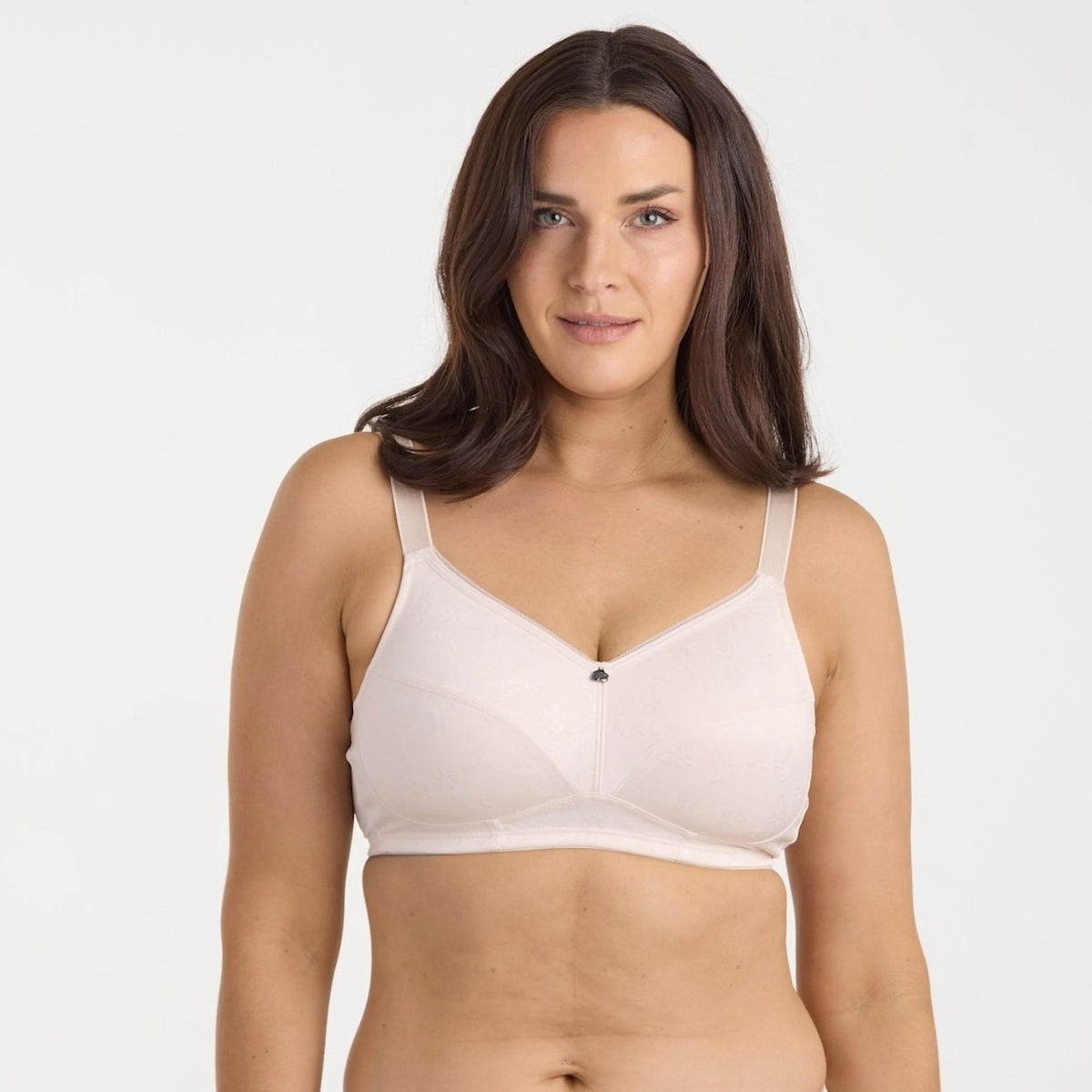
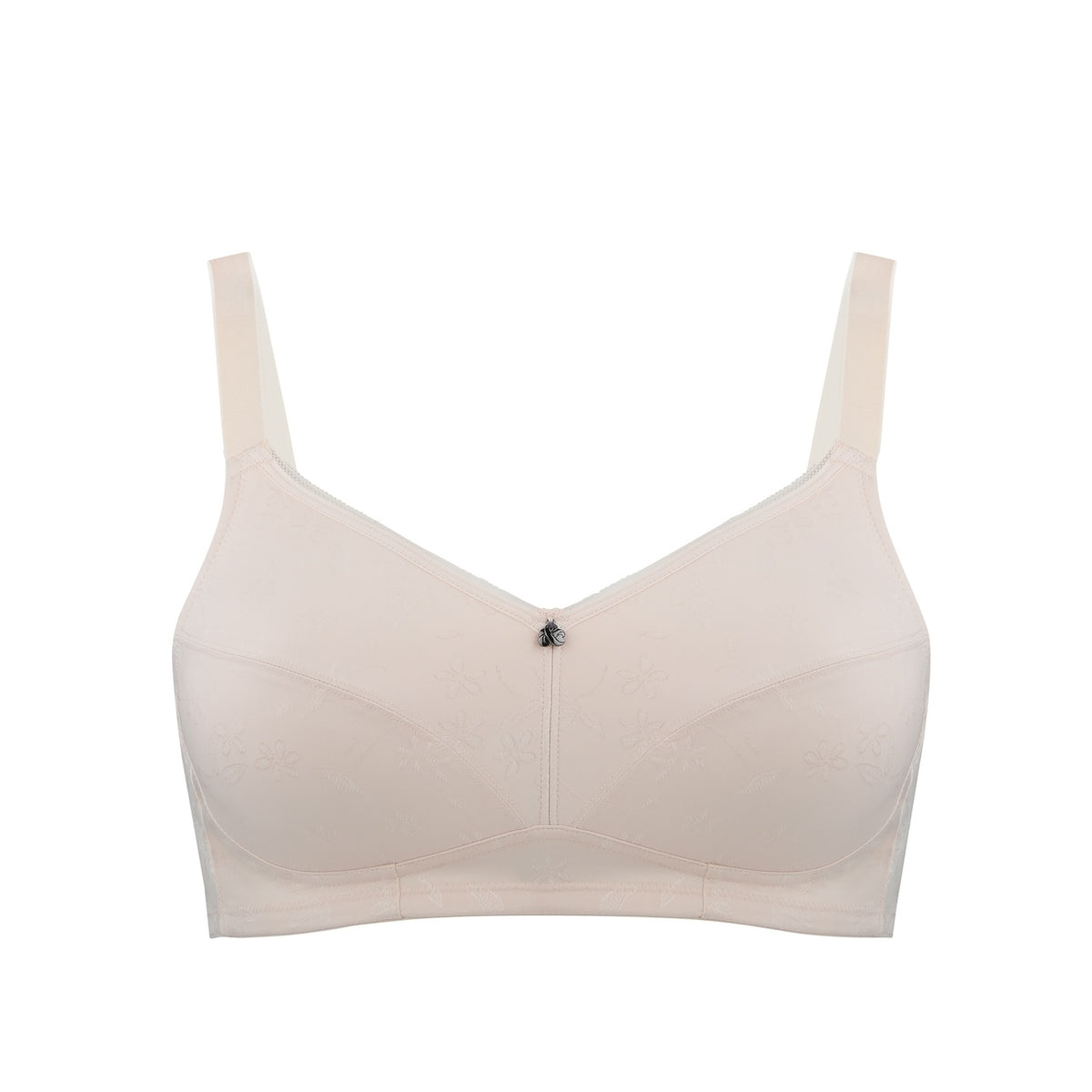
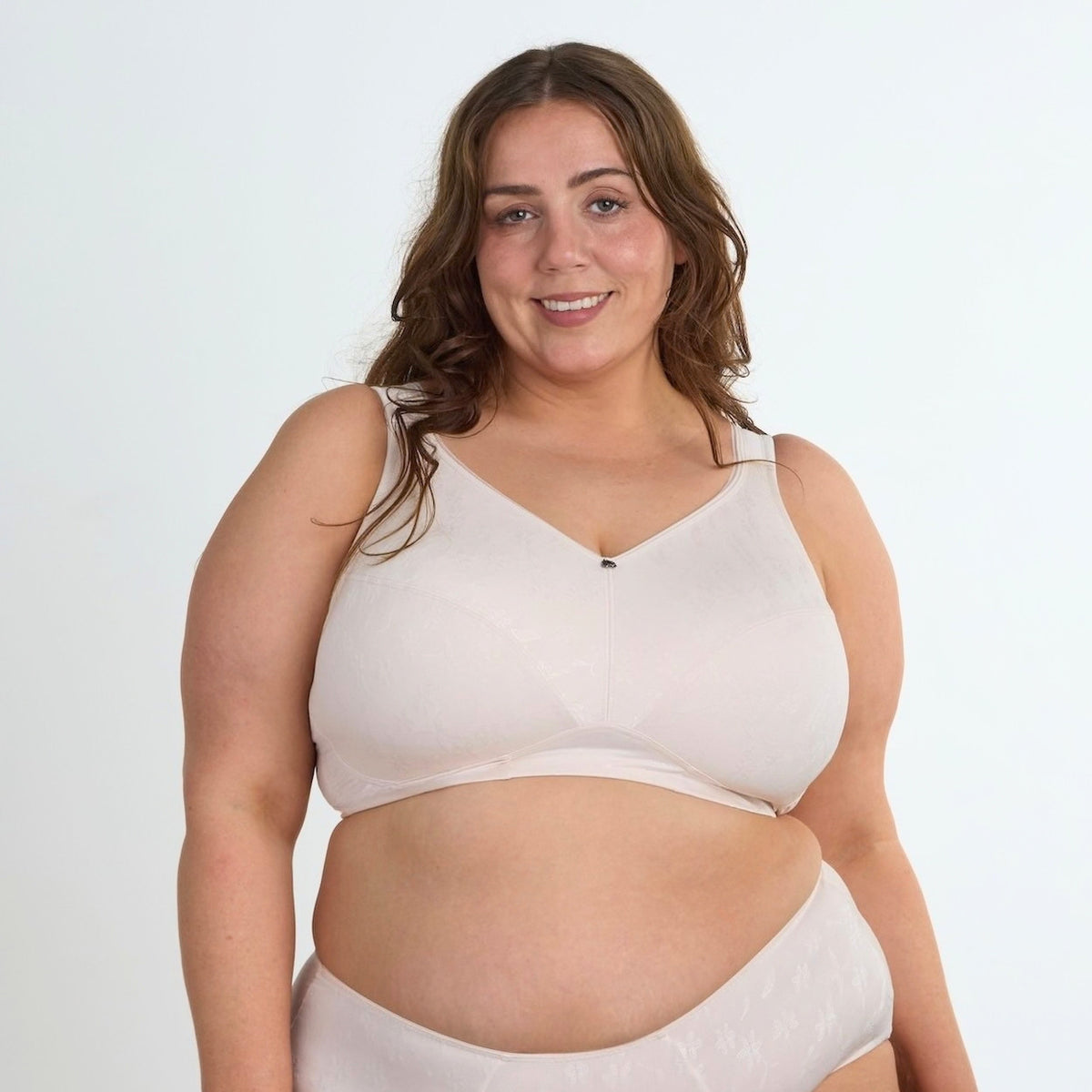
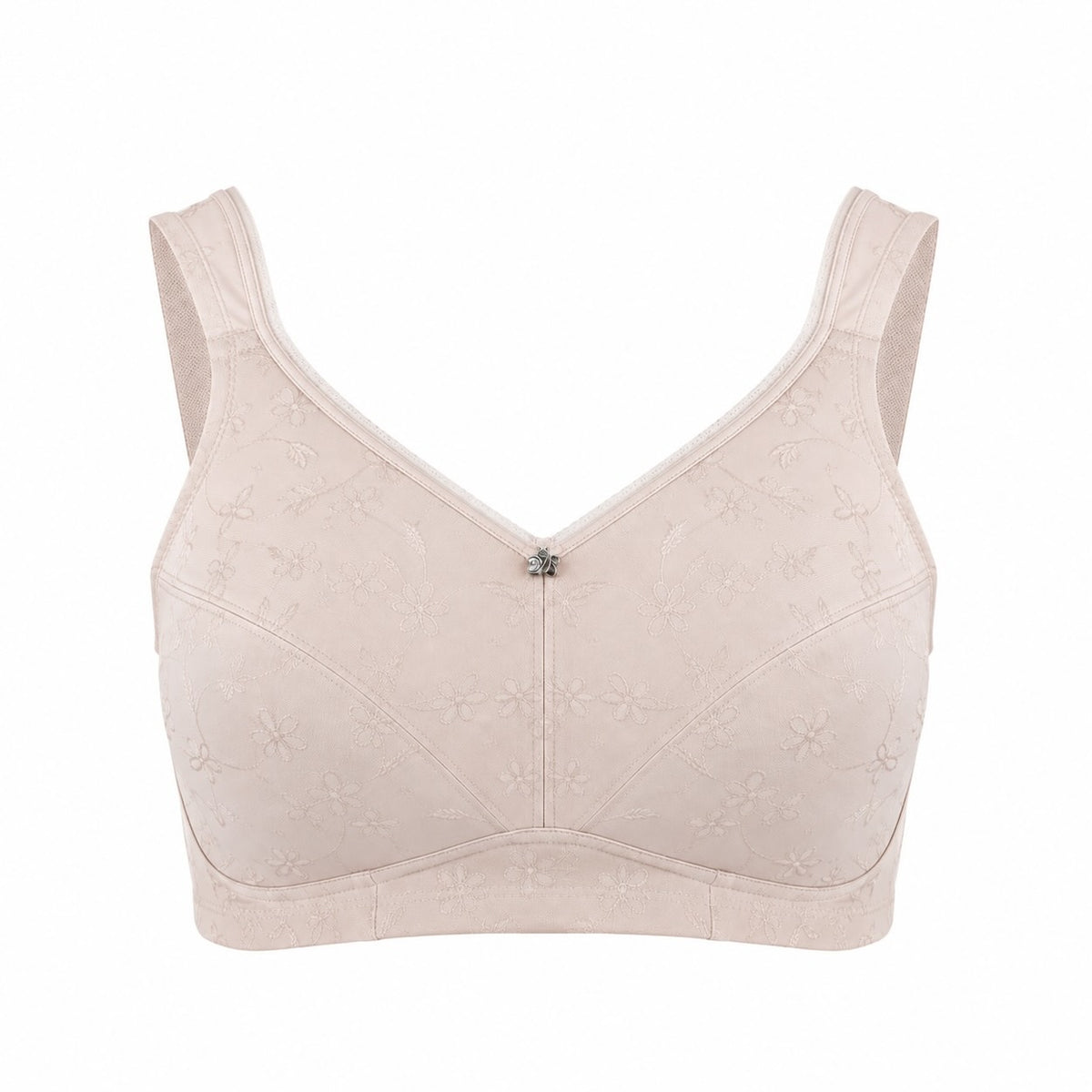
After years of fitting women across New Zealand and Australia, we kept seeing the same pattern. Many women hadn't changed enough to need a completely different size, but they no longer felt completely comfortable in the bras they already owned. So, we set out to make a more adaptive bra design that could accommodate the ups and downs we all go through.
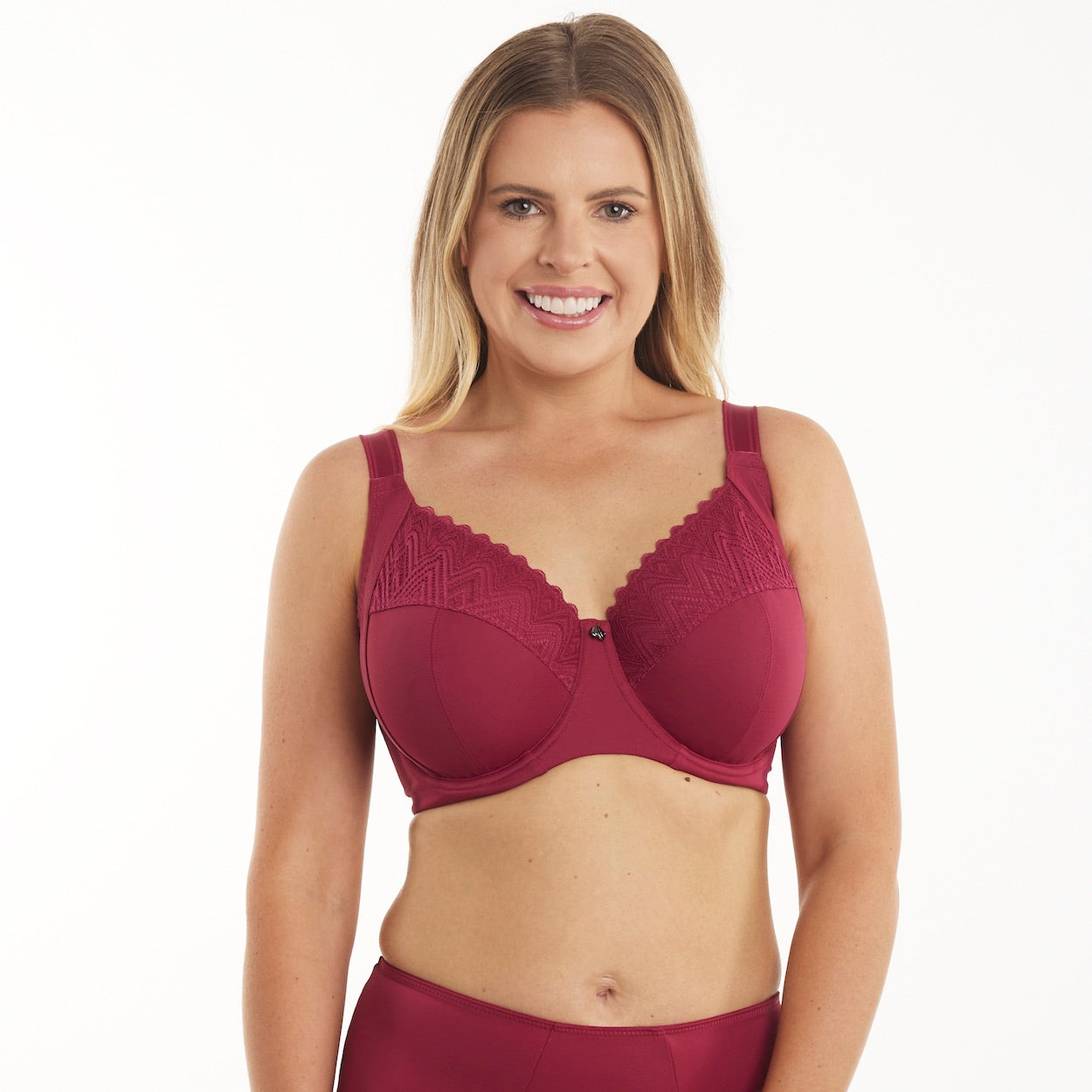
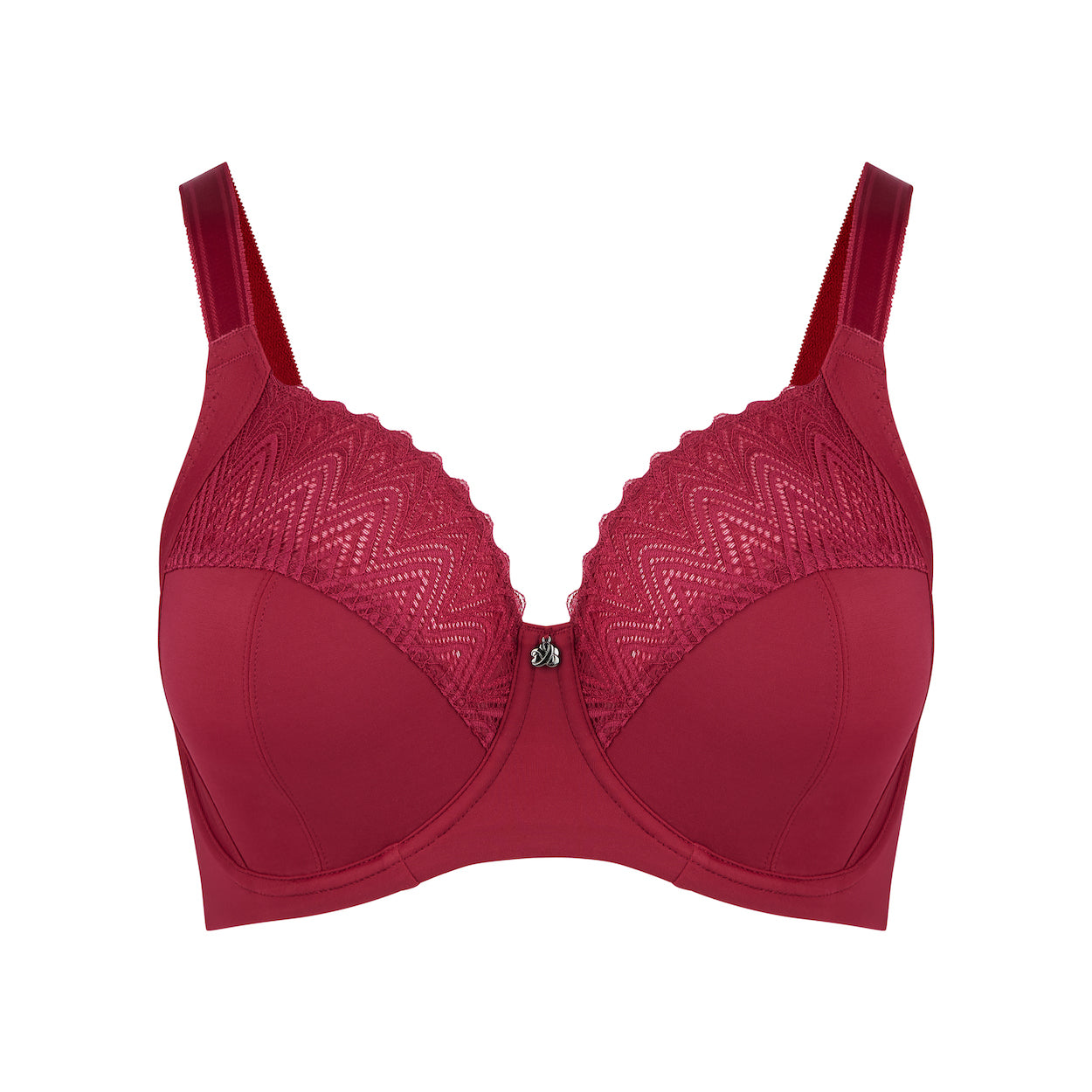
Rather than expecting your body to stay exactly the same, our Forgiving Fit™ technology is designed to move with you. Not only do the cups have just enough flexibility to accommodate natural changes in breast shape and fullness, while still giving you the support you need, but our bands are designed with the same thinking, offering a little more adaptability without compromising on support.
It's not a magic bra that covers three different sizes, and if your body changes significantly, you'll still need to be re-fitted. But for the everyday fluctuations that happen throughout the year, it means your bra is much more likely to feel comfortable on Tuesday than it did on Monday, and just as good again next month.
How To Find The Right Bra Size, Again
Bodies change. A well-fitting bra should change with them. Sometimes that simply means adjusting your current bra, sometimes it means choosing a different style, and sometimes it means finding a new size altogether.
And we know, finding your bra size can be a stressful experience. Cold changing rooms with unhelpful lingerie ladies, or large online orders, hoping desperately that something will fit. But if you're noticing changes in the comfort and support of your current bra size, the best thing you can do is start fresh.
Thankfully, times have moved on since those awkward fitting room experiences we all grew up with. Now, you can do it all from home. Our Bra Size Calculator is a great place to start, with clear measuring advice to help you find your fit.
Or, for something even easier, just book an online bra fitting with one of our bra gurus. Having worked with women across New Zealand and Australia for years, they can help you find a bra that’s the perfect size and shape.