Bra Science: How Supportive Bras Work (and What The Others Do Wrong)
How many times have you put on a bra that felt unflattering or uncomfortable, and just had to push through it? It’s almost like discomfort is part of the deal.
We tell ourselves it’s probably because of that extra weight we put on - that if we could just drop a little, it would fit nicely. But most bra problems don’t come from your body. They come from a lack of support, and that starts at the very structure of the bra.
Because bras aren’t just bits of fabric stitched together. They’re a support system. And like any system, if one part isn’t doing its job, something else has to compensate.
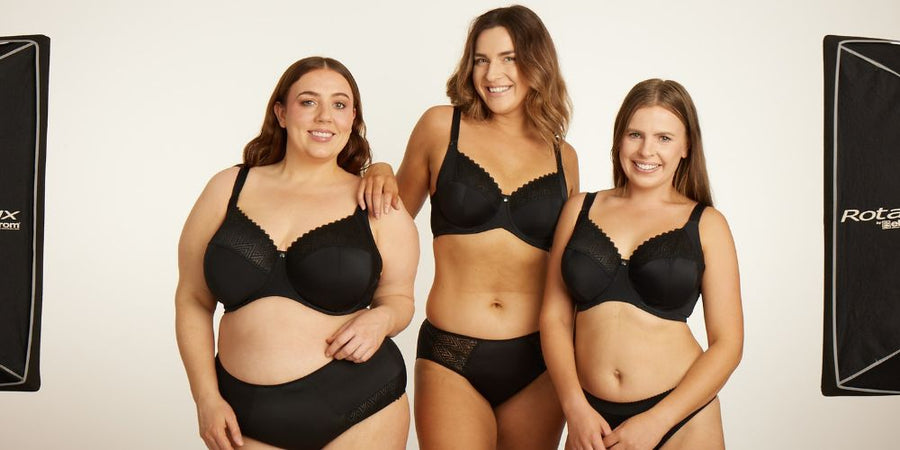
At Rose & Thorne, we’re passionate about making better bras for women in Australia and New Zealand. With inclusive sizing from 10 - 24 and C - K cup, we know the power of finding the perfect fit.
But in our experience, once you understand how bra support works, it becomes much easier to spot a good bra and choose styles that complement your body. From us, to you, here’s everything you need to know about the science of bra support, in one place.
Quick Guide: How Bra Support Works
The support of any bra comes primarily from the band (around 80%), with the cups providing the structure and the straps giving stability and fine-tuning the fit. When any one of these parts isn’t working as it should, the others have to overcompensate, which is what leads to issues like digging straps and discomfort.
Signs Your Bra Isn’t Supporting You Properly
Not sure whether your bra is up to scratch? Here are a few signs that suggest it isn’t pulling its weight:
-
Boobs spilling over or out the sides
-
Band riding up at the back
-
Straps digging into your shoulders
-
Cups collapsing or wrinkling
-
Needing to adjust your bra throughout the day
-
Feeling relief the second you take it off
If any of those sound all-too-familiar, this blog is for you.
The Three Parts of a Supportive Bra
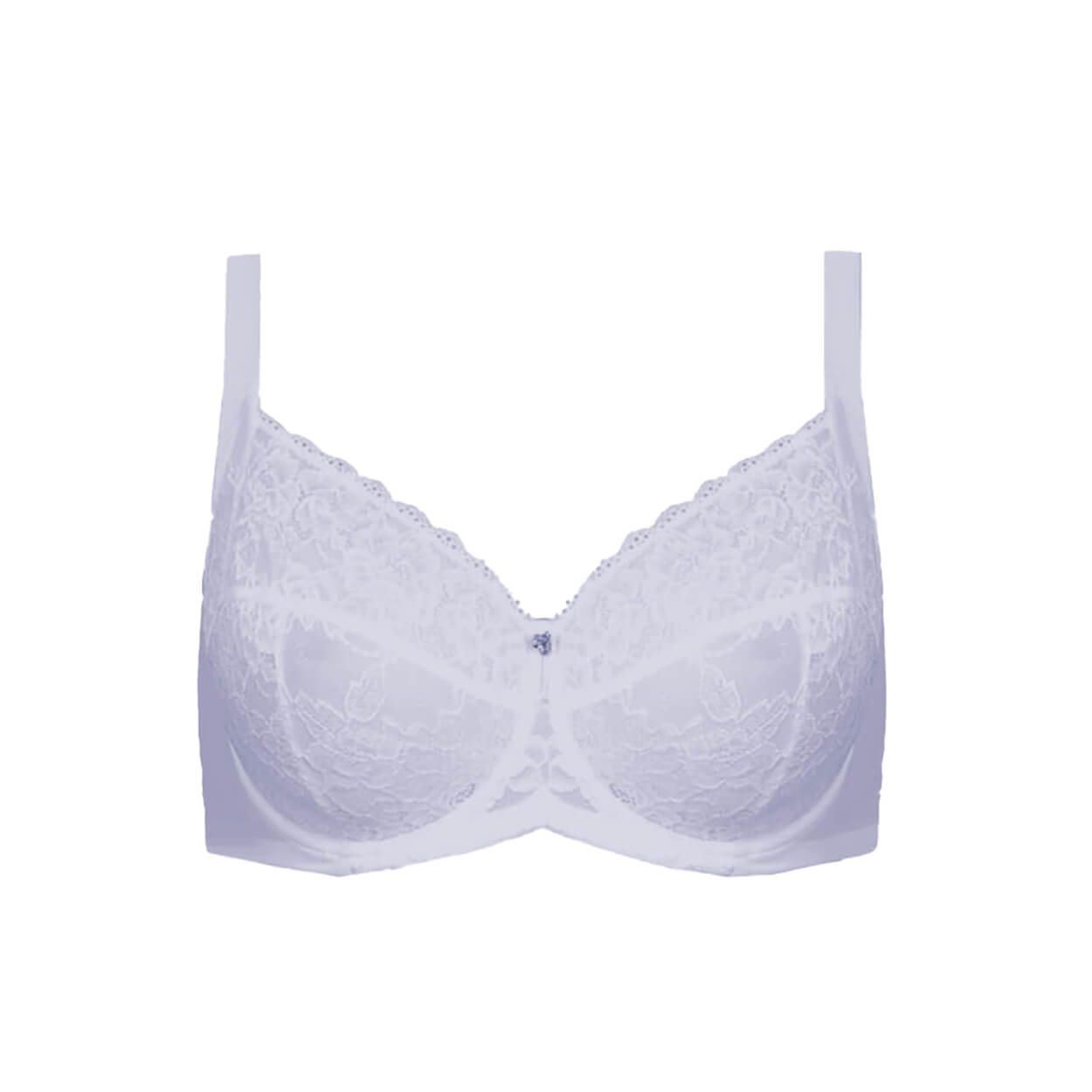
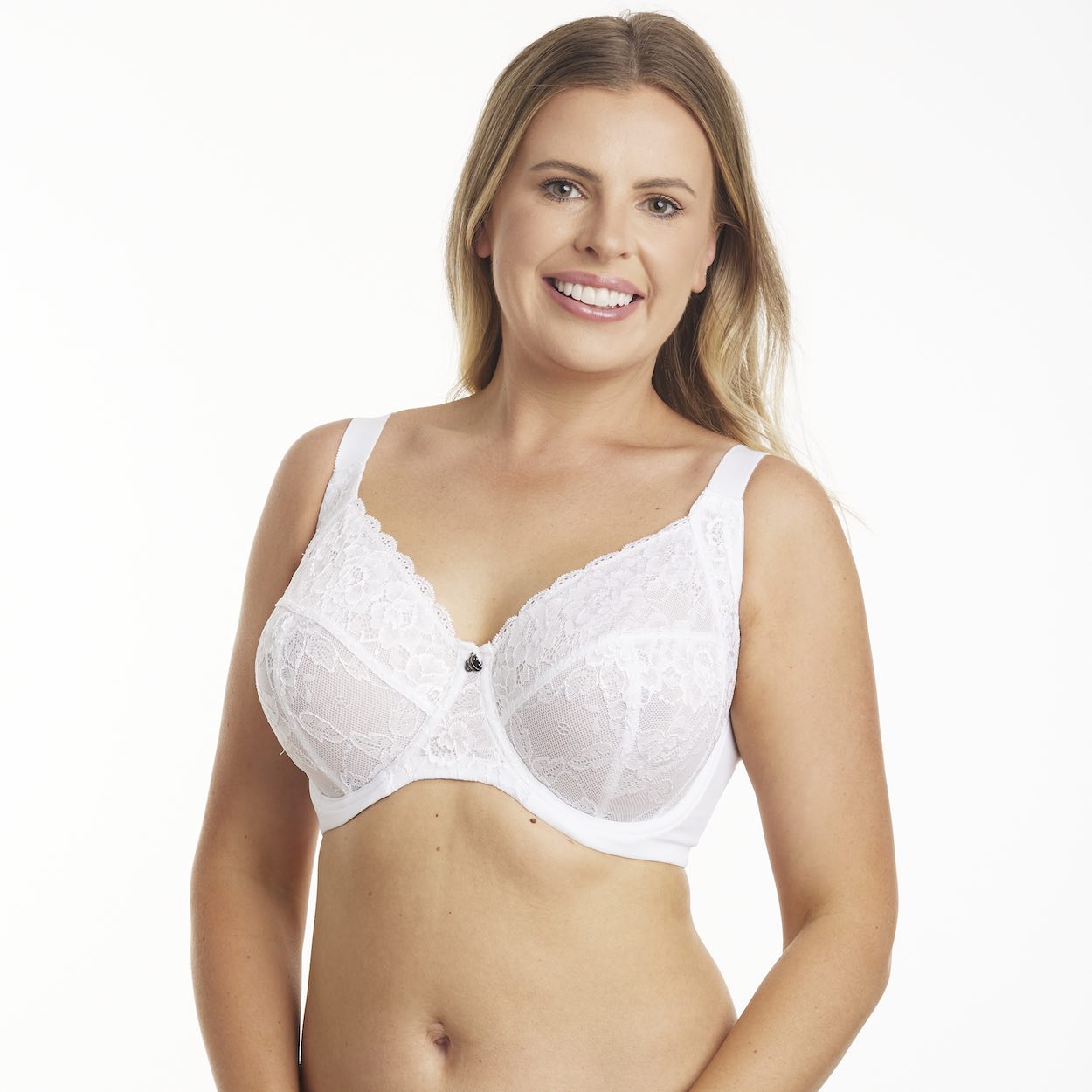
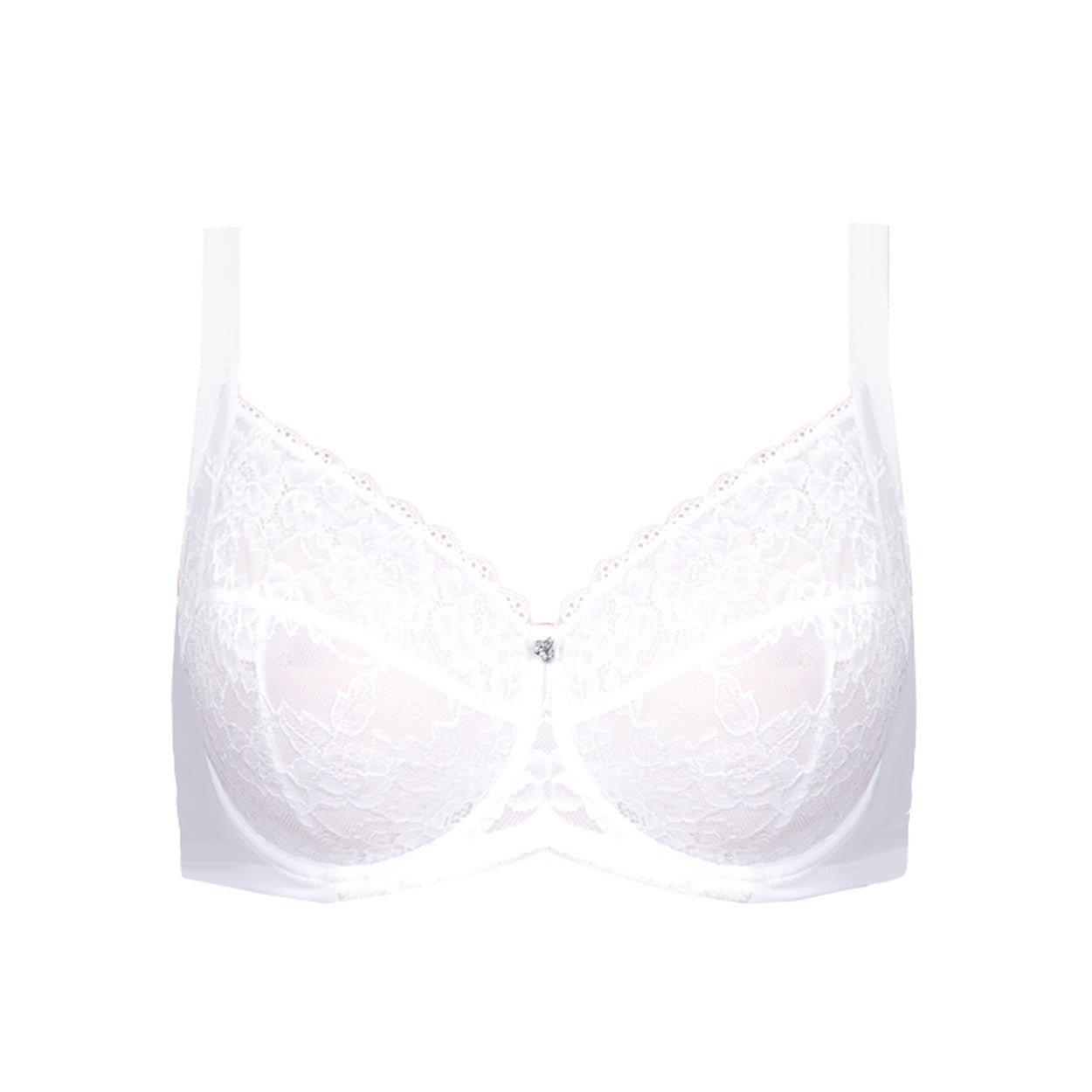
Every bra, no matter the style, relies on three key bits working together: the band, the cups, and the straps. If one of these is off, the whole thing starts to unravel.
The Band: Where Most Support Comes From
The band is the foundation of a bra, it anchors the garment and carries most of the weight. This surprises a lot of people, which is why our team talk about it so much. The band, which is the part that wraps around your ribcage, does the vast majority of the work in any bra. Around 80% of your support should come from here.
When it fits well, the band anchors the bra to your body. For the tech-minded among us, it acts almost like a fulcrum, or a cantilever, letting the bra take the weight of your breasts. But, if the band is too loose:
-
Tt rides up at the back,
-
The cups drop forward,
-
And the straps start taking on weight they were never designed to carry.
That’s when you get digging straps, an unflattering silhouette, and that constant feeling of needing to readjust. With 80% of women wearing the wrong bra, the chances are high that you’re among that number. And in our experience, it’s the band size, not the cup, that people get wrong. Sizing down to a smaller band almost always transforms how you look in your bra. Start with our bra fit tools, or book an online bra fitting for help finding the right size for your body.
If you’ve ever wondered whether your bra is doing its job properly, we recommend you read Is Your Bra Doing the Work, or Are Your Straps?
The Cups: Where Structure and Shape Happen
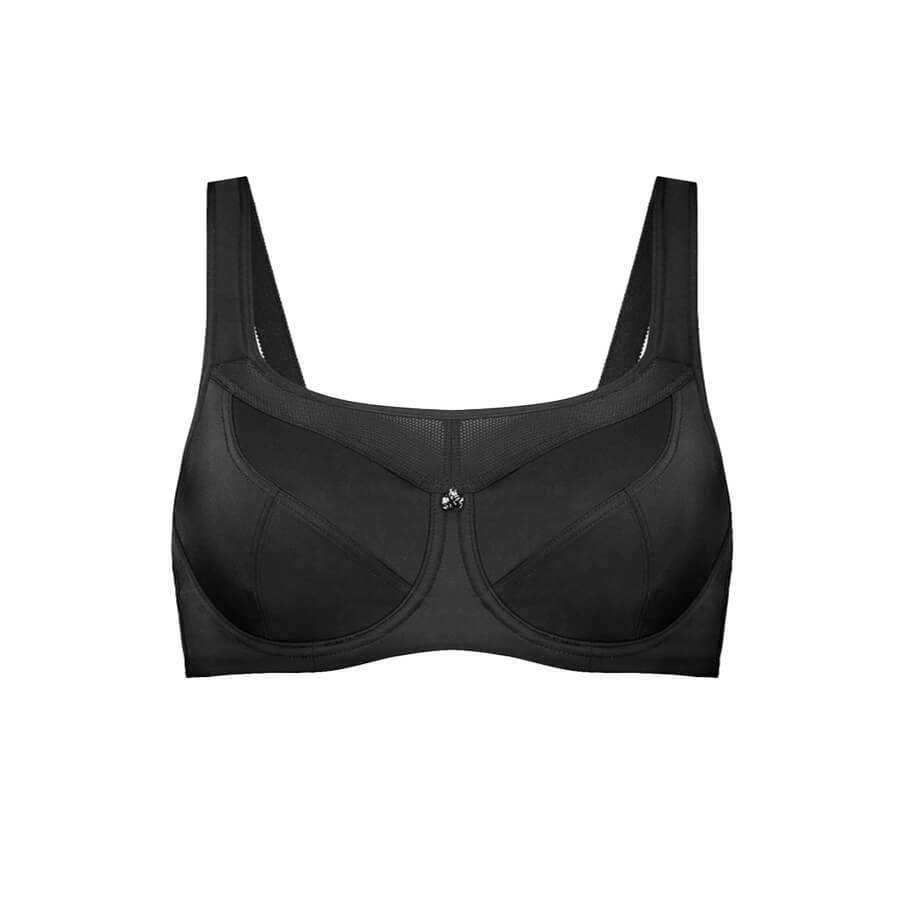
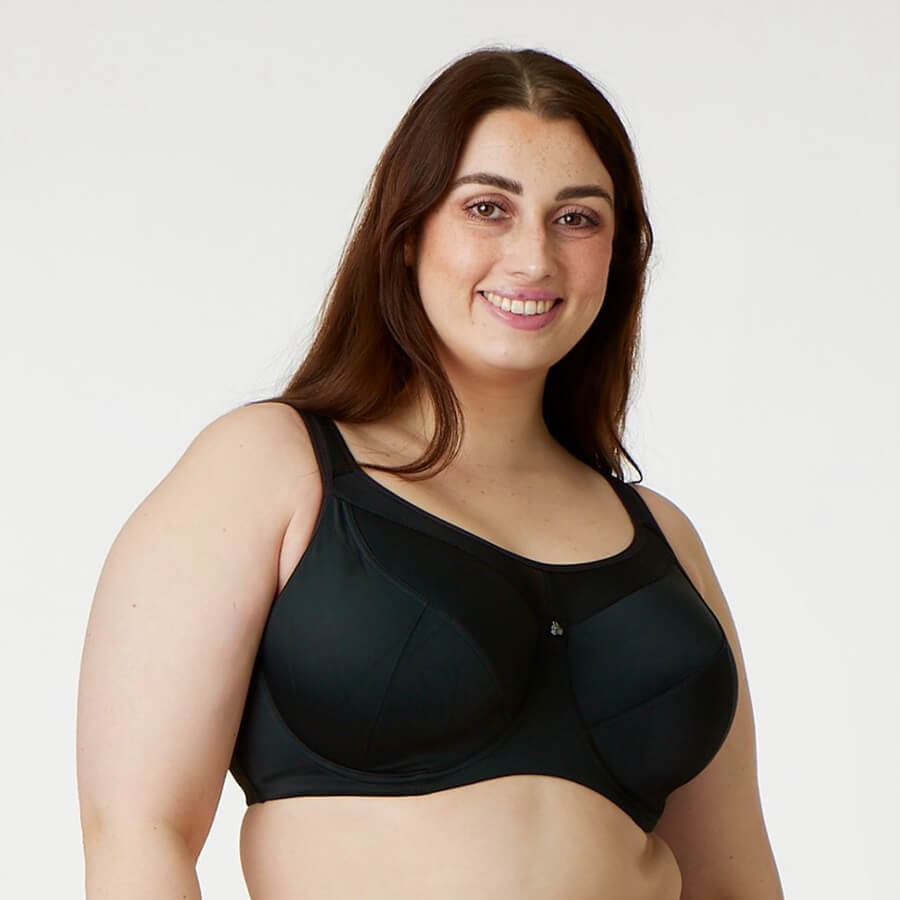
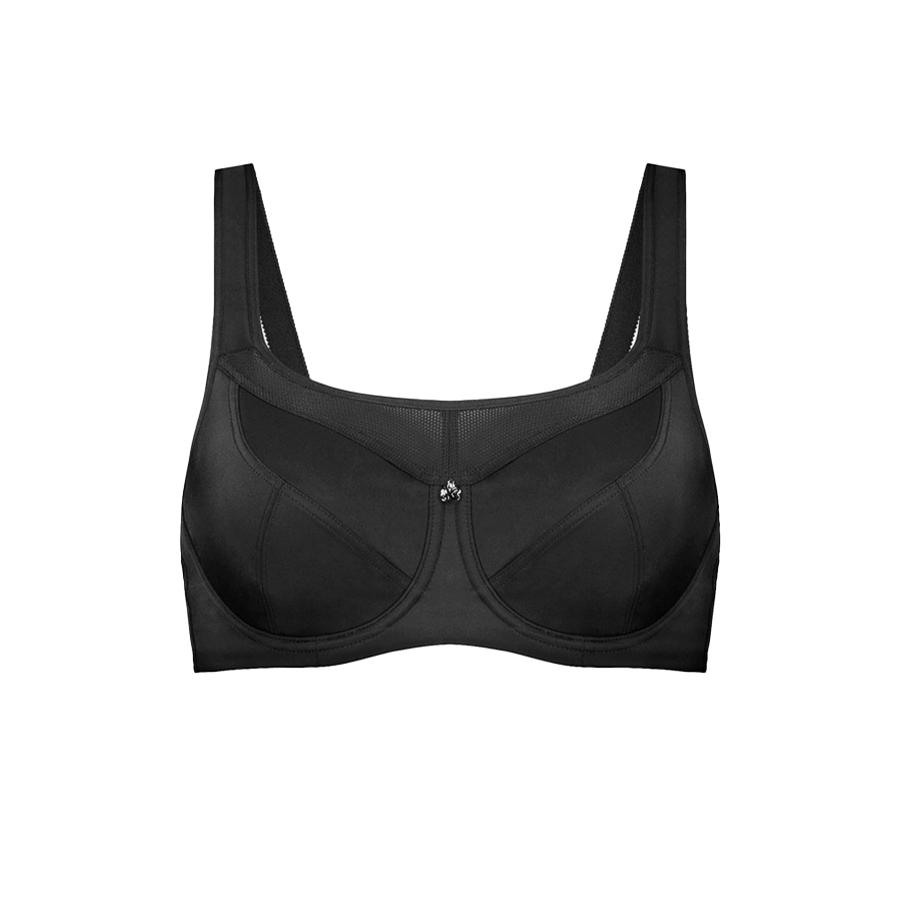
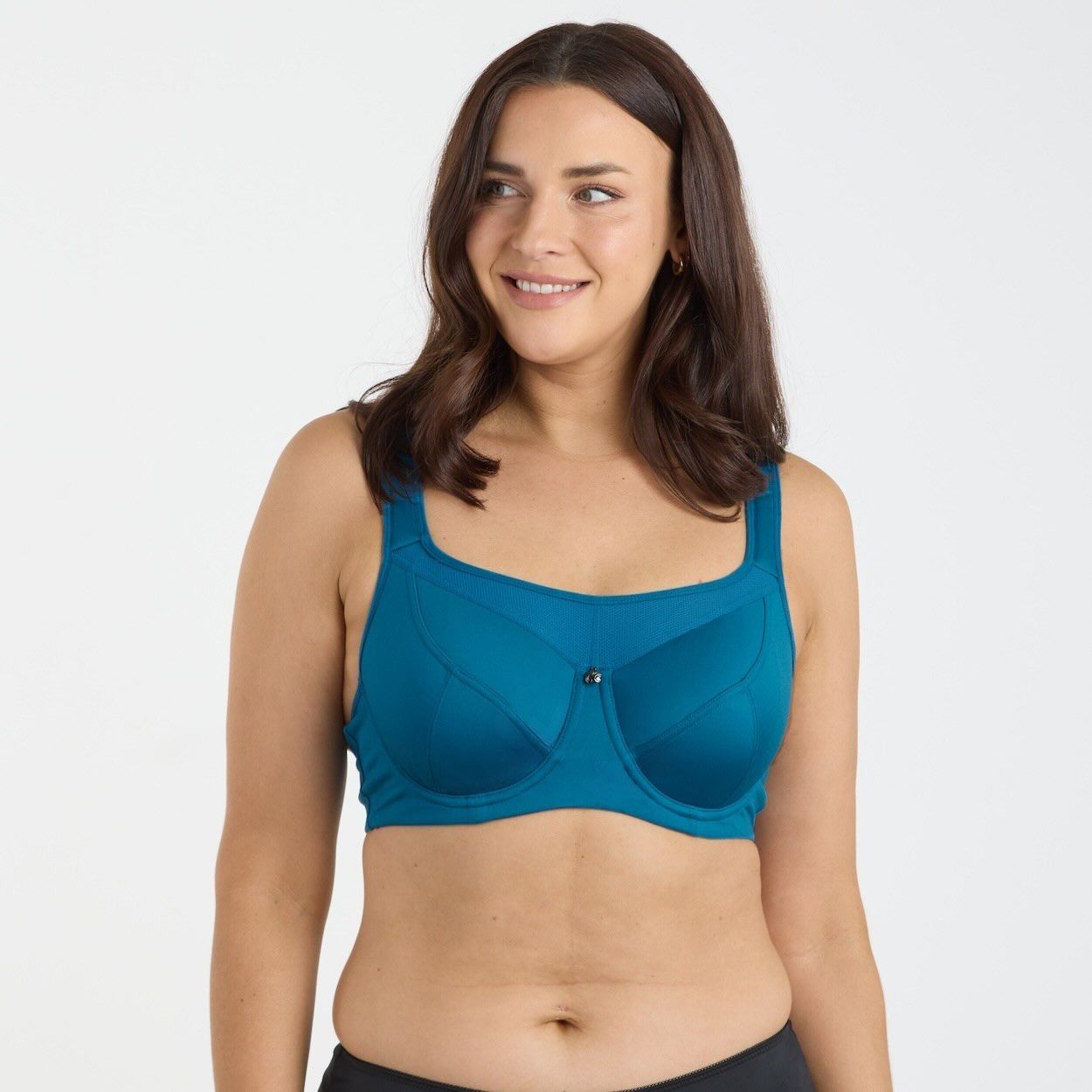
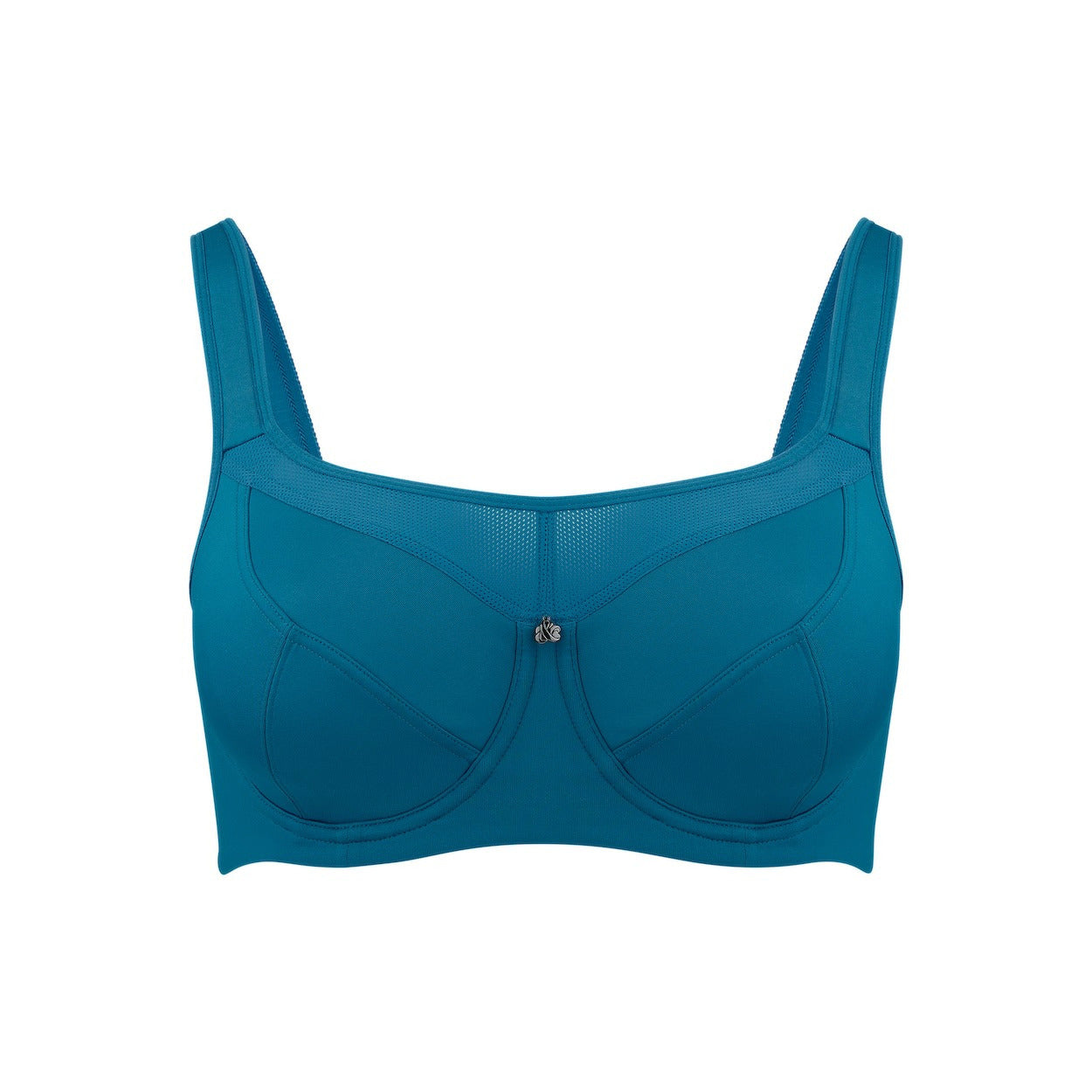
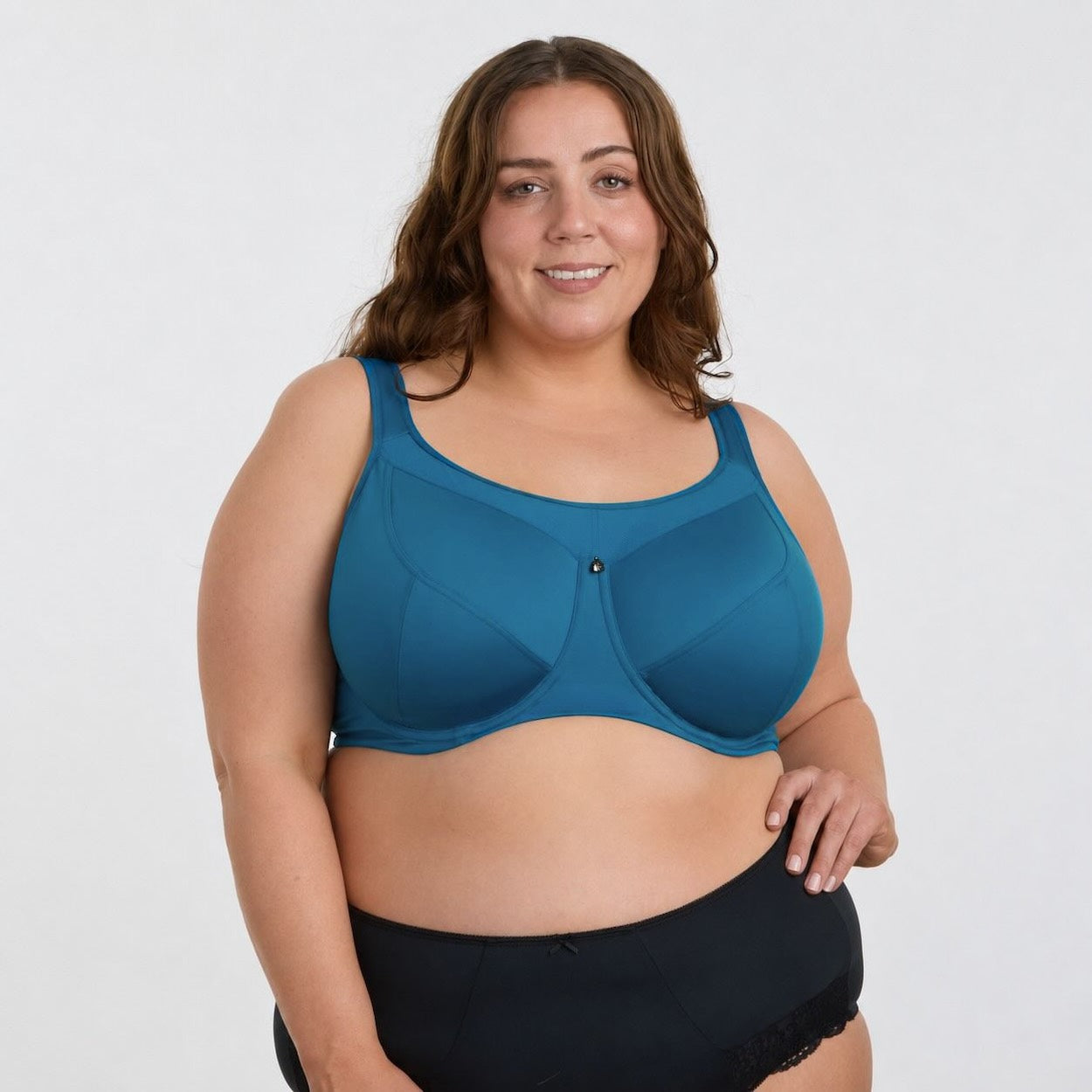
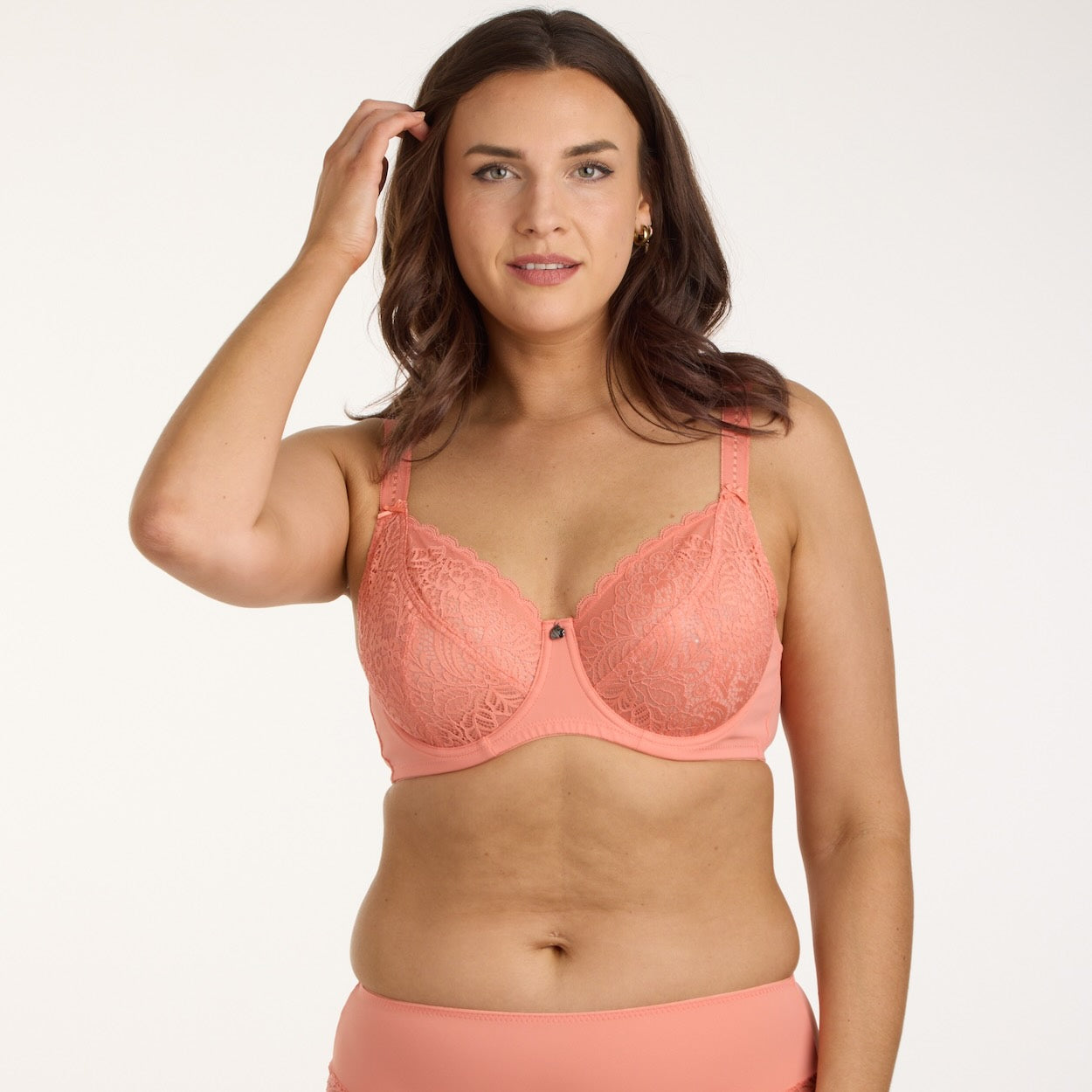
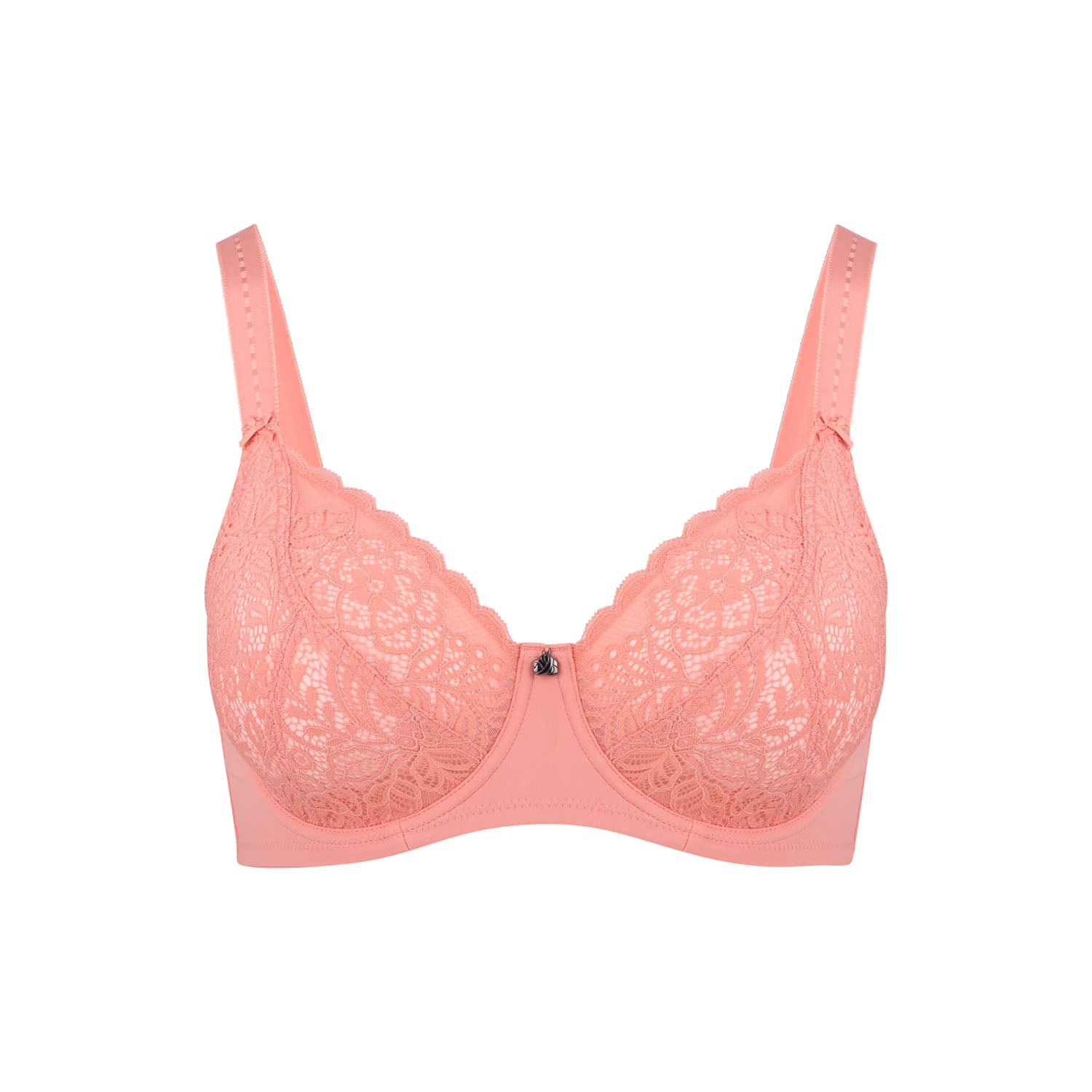
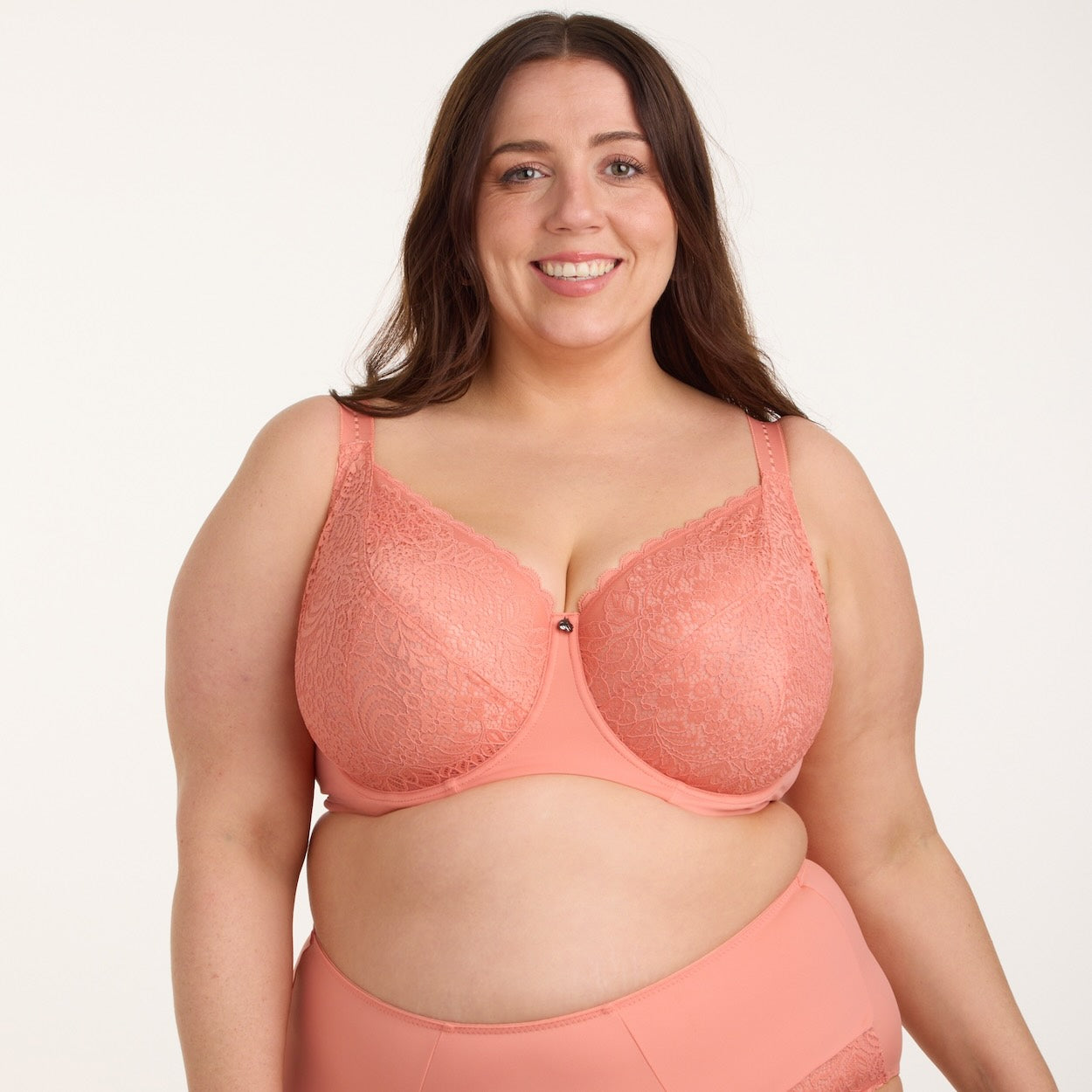
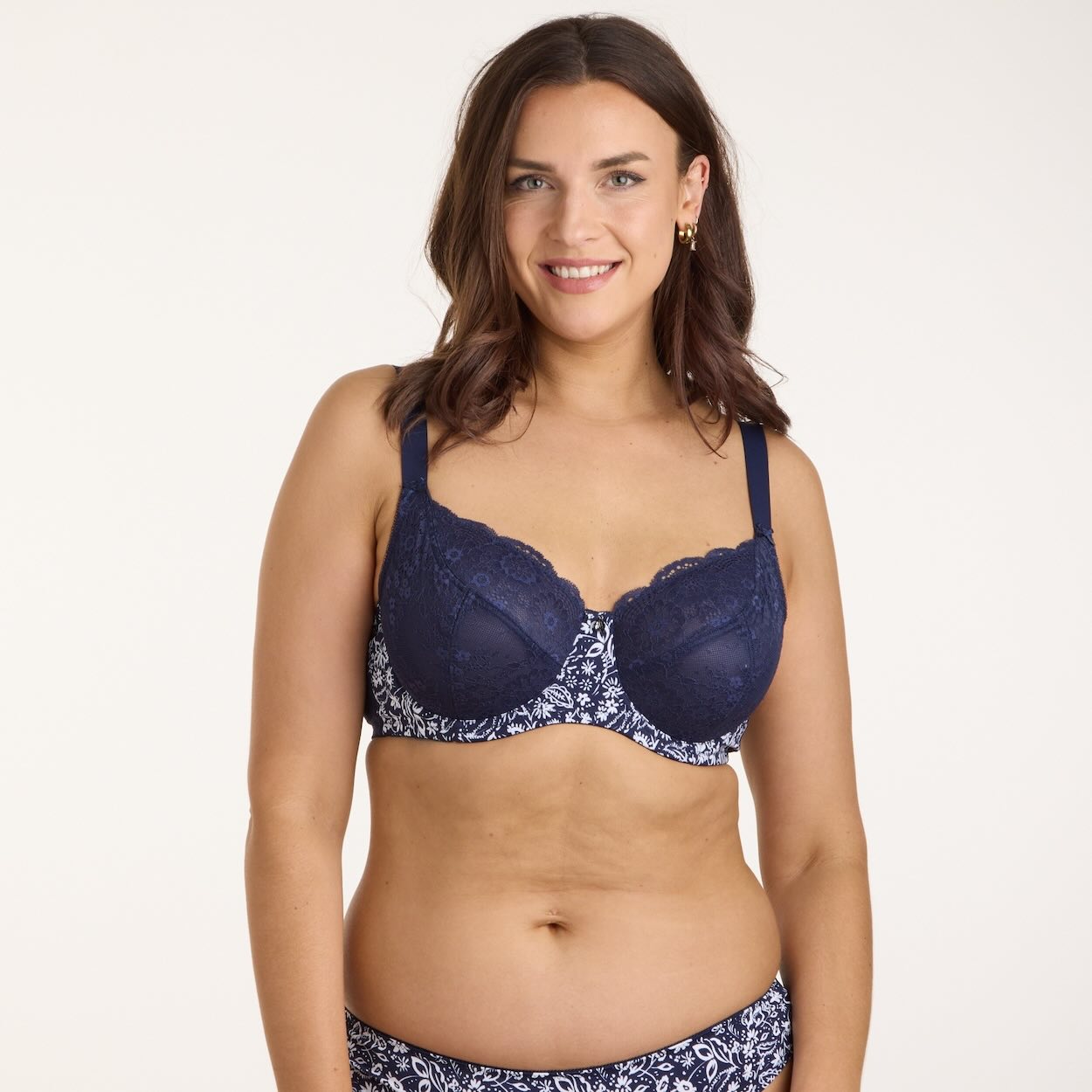
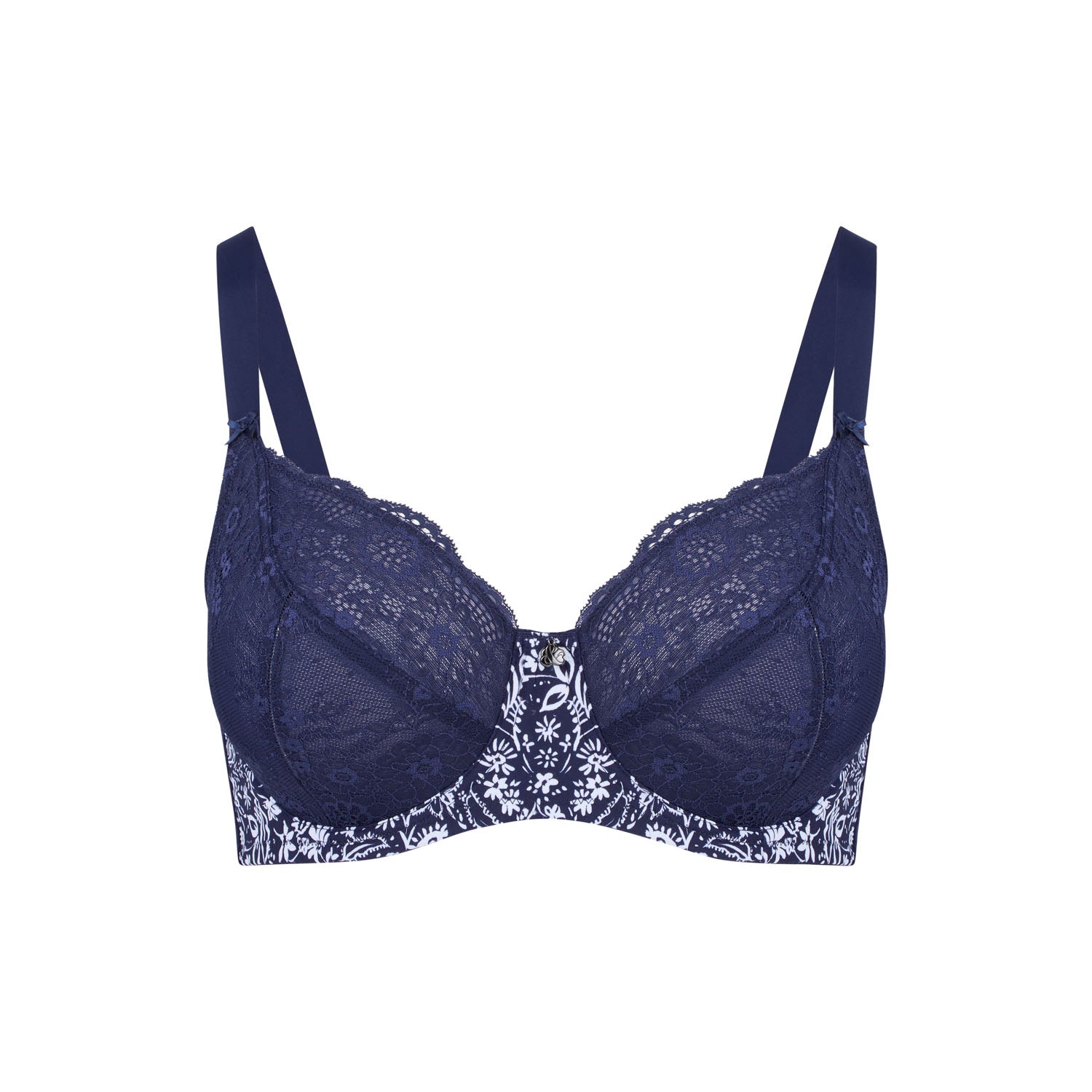
If the band is the anchor, the cups are the sails. Designed to fill with breast tissue, they trap your tissue in one place and shape how it sits on the body. A cup that’s well-designed and fits your body well should:
-
Have enough depth in the cup for your full boob to rest
-
Fully contain your tissue at the top,
-
Include side support to encourage everything forward.
This is where so many bras fall short, sacrificing style for support, when really, you should be able to have both. Cups are there to do more than just keep your nipples covered, they should contain all your breast tissue (including the bits that migrate under your arm) and give you a flattering shape under clothes.
When the cup isn’t right, that’s when you notice spillage, gaping, or that awkward line under a tee where the top of your cup is pressing into your skin.
Now, some of this issue comes from the bra manufacturers creating bras that look nice on a hanger, but don’t do anything for real bodies; and the rest of the issue comes down to poor fit.
If any of the problems in this section sound familiar to you, we recommend that you get back to basics and make sure you’re in the right cup size with our bra size calculator. Not quite getting the shape you’re looking for? We offer bras in both a natural silhouette and a more uplifted, enhanced shape.
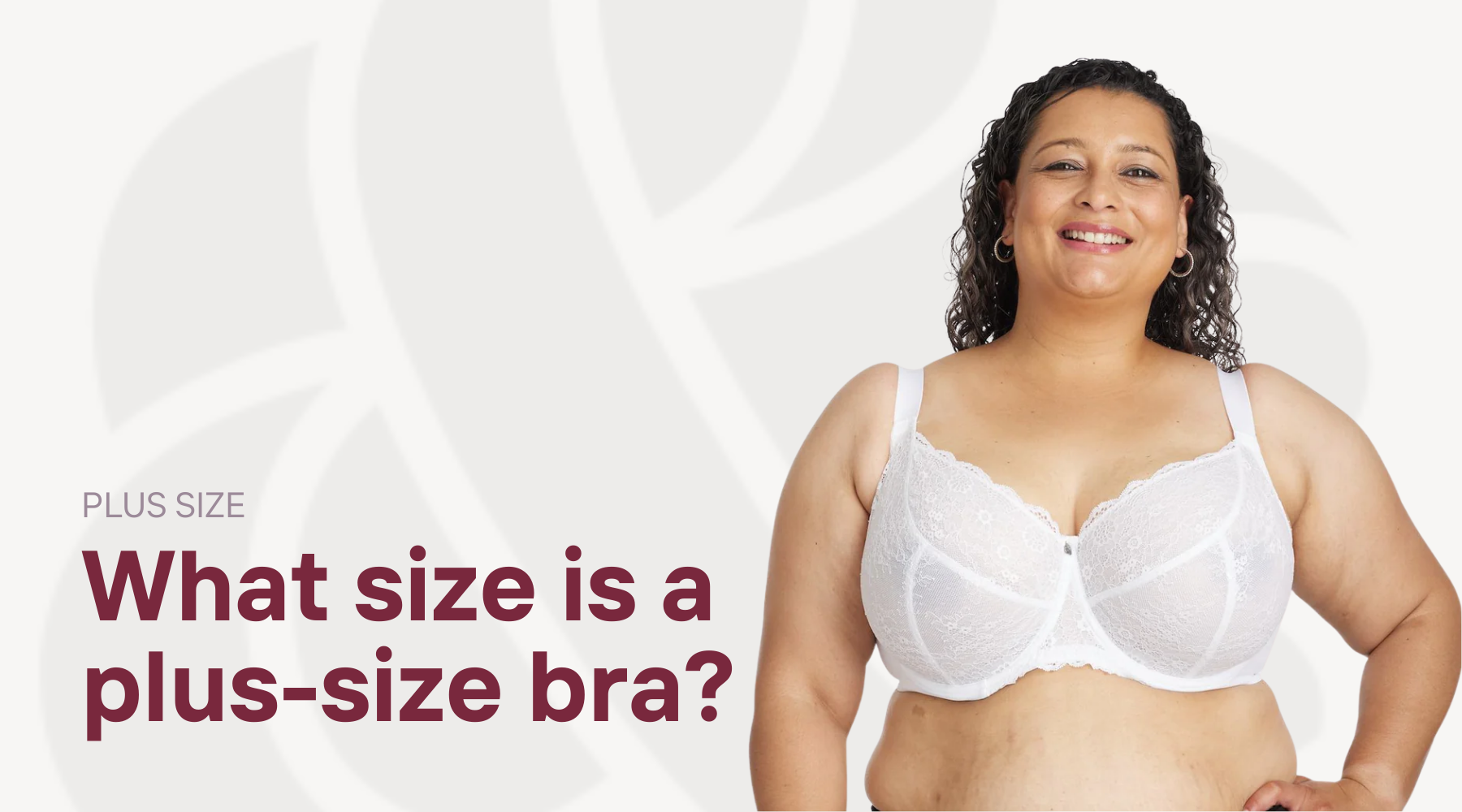
Women with fuller busts often have a harder time finding bras that work for them. Learn more about The Best Plus Size Bra Styles for Big Breasts or compare Underwire vs Wirefree Plus Size Bras.
The Straps: Stability, Not Lifting
Straps get blamed for everything, but as you might have guessed by now, they’re rarely the source of the problem. The job of the straps isn’t to lift your bust, it’s to stabilise the cups and fine-tune the fit.
Straps stabilise the bra, but they are not designed to support weight. When your band and cup size are correct, tightening the straps just brings the top of the cup a little closer to the body. It’s the final touch, not an integral part of the structure itself. In fact, in a good bra, you should be able to take your straps off without the bra collapsing around you, because the band is still taking the majority of the weight.
So, if your straps are digging in, it’s usually because they’re working much harder than they should be - either because the band is too loose or the cups aren’t doing their job.
Tightening them might feel like a quick fix, but it doesn’t solve the underlying issue.
If strap pain is a regular problem, especially if you have larger breasts, it’s worth reading Real Fixes for Plus Size Bras: Bad Bra Straps Edition.
Why So Many Bras Stop Feeling Comfortable During the Day
Ever put a bra on in the morning and thought, “This is great,” only to be completely over it by 3pm? That’s a structural problem.
As your day goes on, your body changes. You move, sit, eat, stretch, and exist in a body that isn’t static. A bra that relies on rigid shaping or poorly distributed support starts to struggle under those normal conditions.
The most common culprits are:
-
A bra with poor structure,
-
The wrong fit,
-
Or a bra not flexing.
The flexibility of a bra is a really important point, because our bodies don’t stay exactly the same throughout the day (or month). We move, warm up, eat, and experience hormone changes, all of which change how our body feels in a snug item of clothing. At smaller cup sizes, this can be mildly annoying. At larger cup sizes, it becomes genuinely uncomfortable.
We cover this topic in more detail in Why Does My Bra Feel Uncomfortable After a Few Hours? but it all boils down to having a bra that isn’t so rigid that it can’t accommodate small changes in your body. All Rose & Thorne bras are designed with Forgiving Fit Technology, which means they have integrated flex that is stretchy yet supportive.

Bigger Busts Need Better Engineering
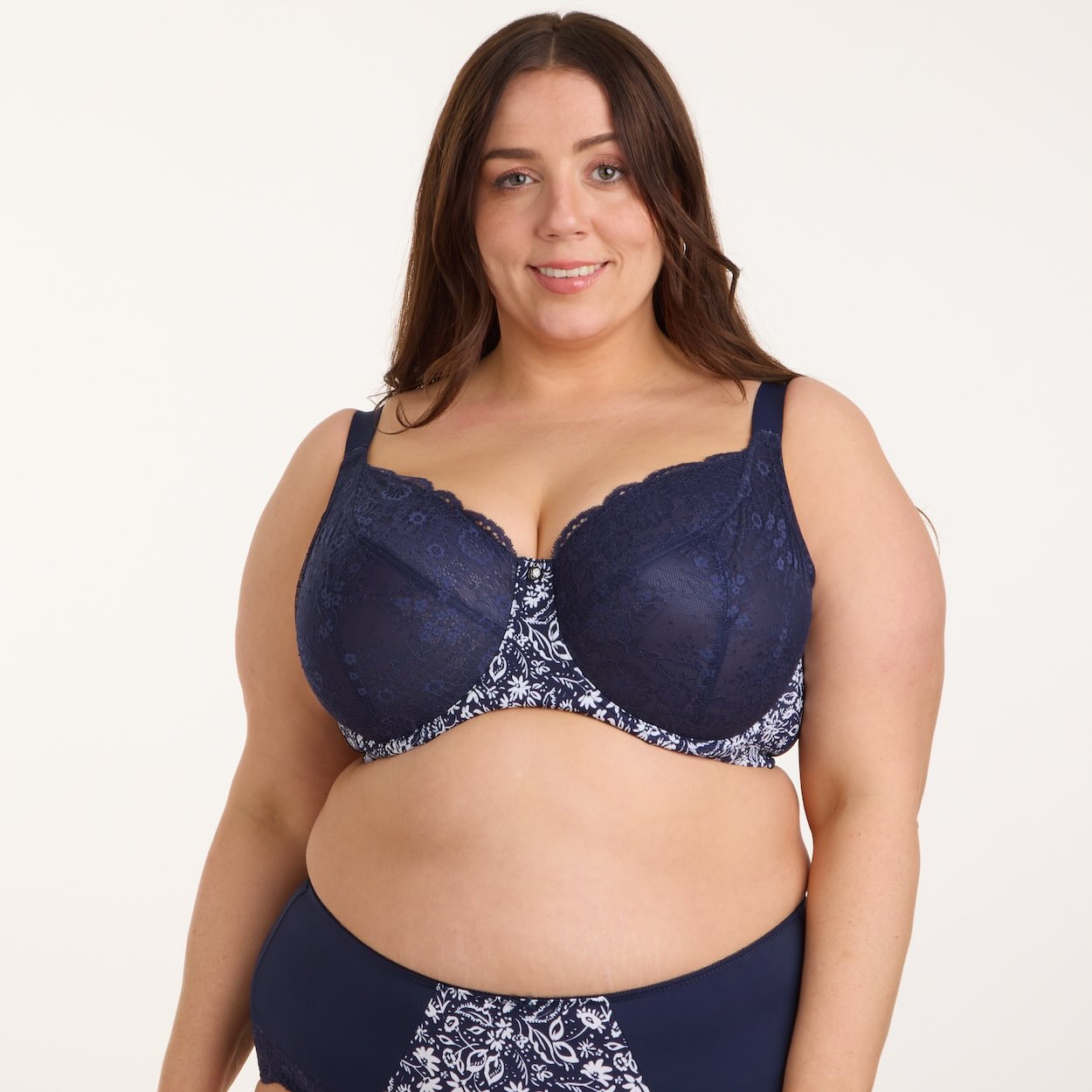
Here’s where things get interesting - bra sizing is based on volume. But once that volume increases, bras have to work a lot harder to support breast tissue. And not all bras are built for that.
Many brands that offer D+ cup sizes just scale up smaller bra designs. Same structure, just bigger cups. The problem is that an approach like that doesn’t account for the weight of fuller busts.
Larger cup sizes need:
-
Deeper cups,
-
Stronger internal frames,
-
And underwires that are shaped to draw tissue in and support from underneath and the sides.
At Rose & Thorne, this is where the distinction between our Full Cup and Premium Support bras comes in. Our standard Full Cup style works beautifully up to G cup. From G cup on, Premium Support introduces more reinforcement to keep everything comfortable and stable throughout the day.
If you want to understand that difference more clearly, we suggest reading Premium Support vs Full Cup, or, if you’re in the middle area where our support level changes, check out Why G Cups Have Two Support Options (and How to Pick the Right One).
Why Sports Bras Work Differently
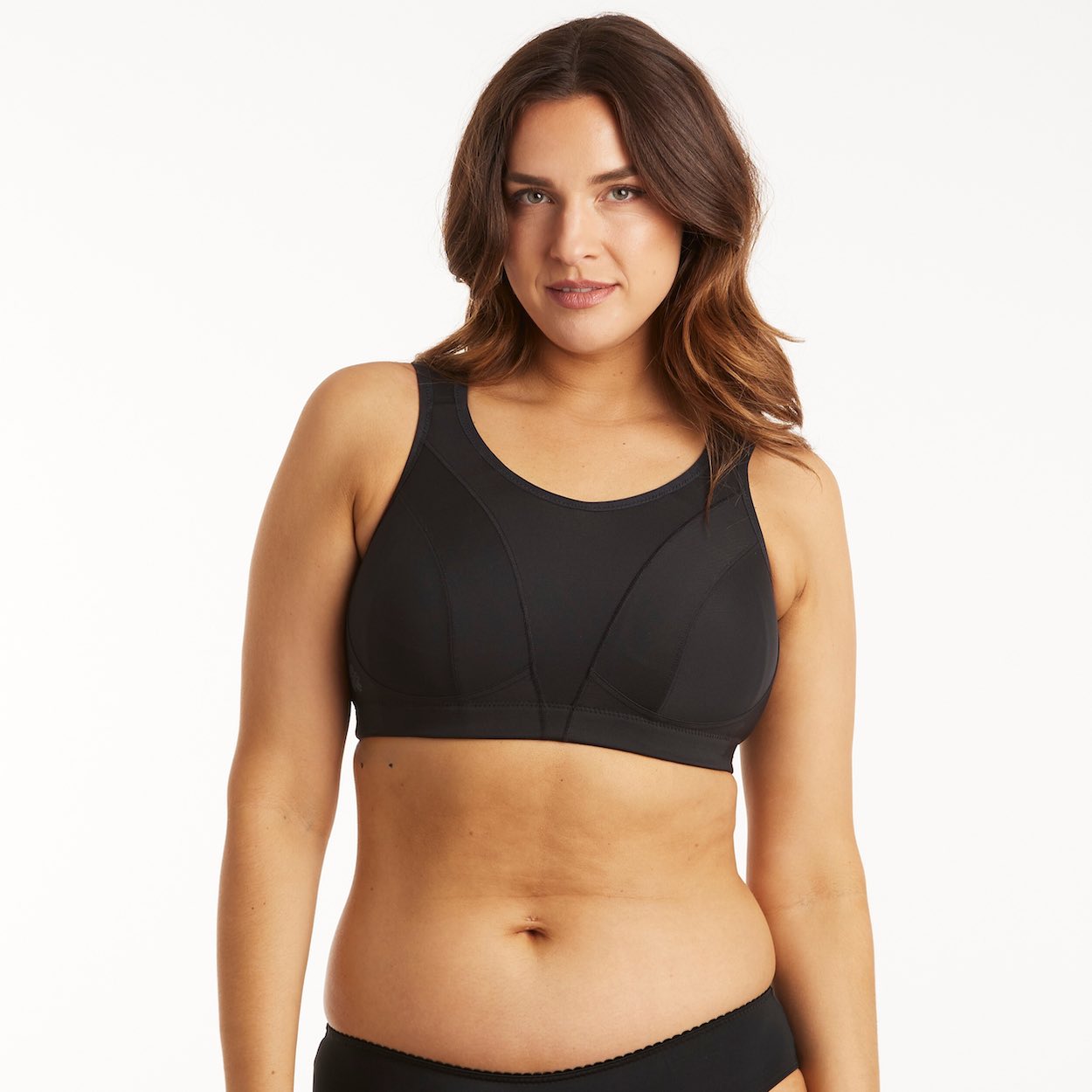
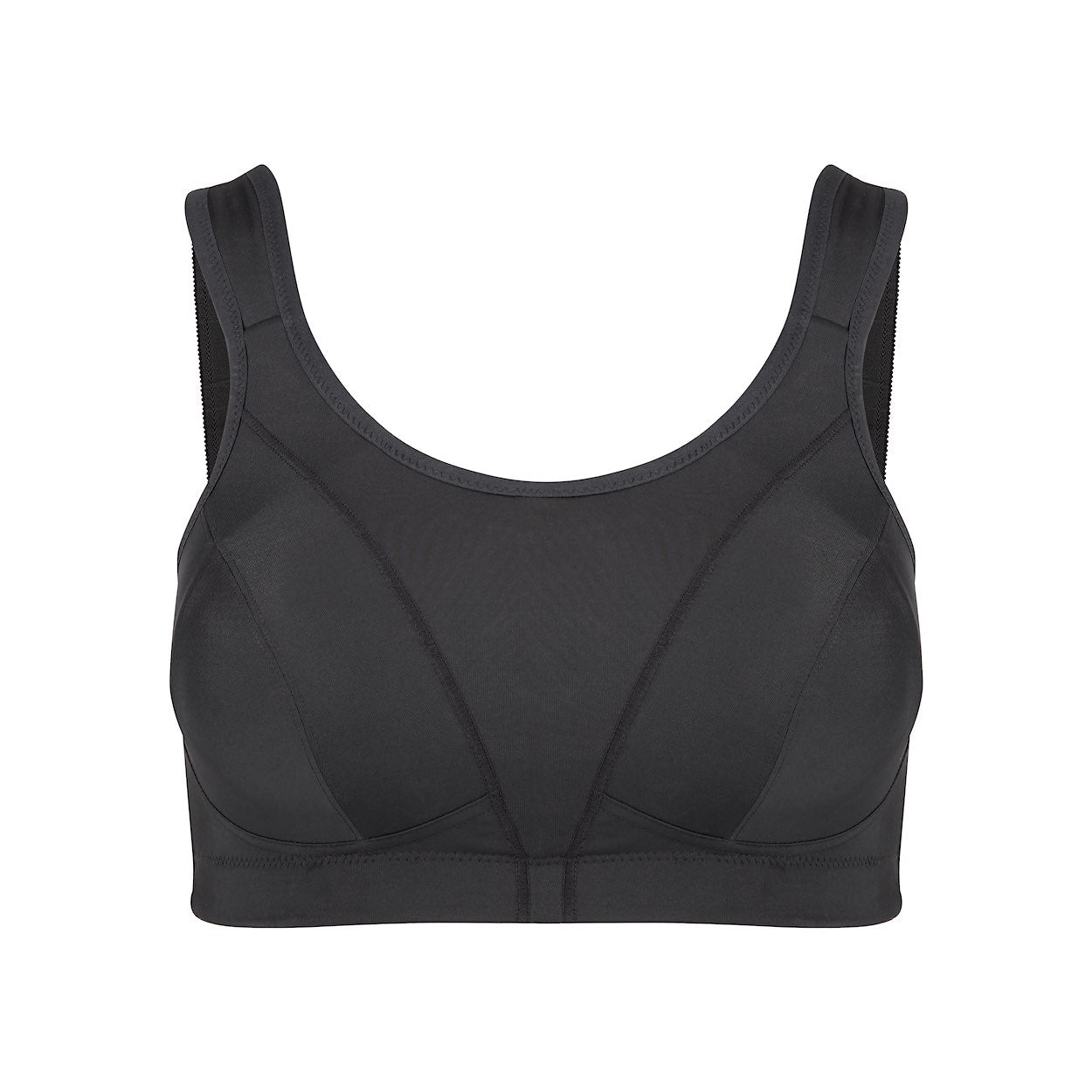
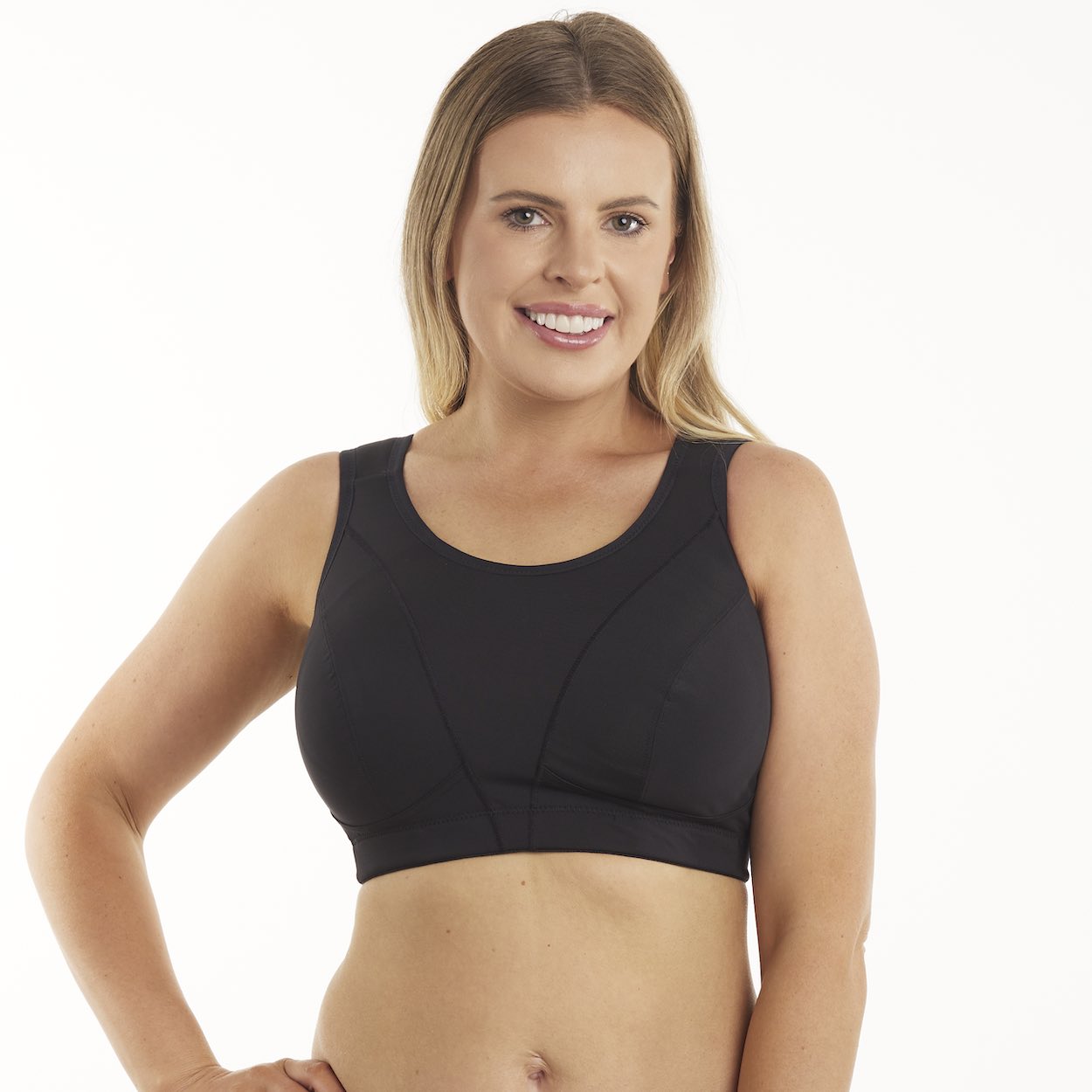
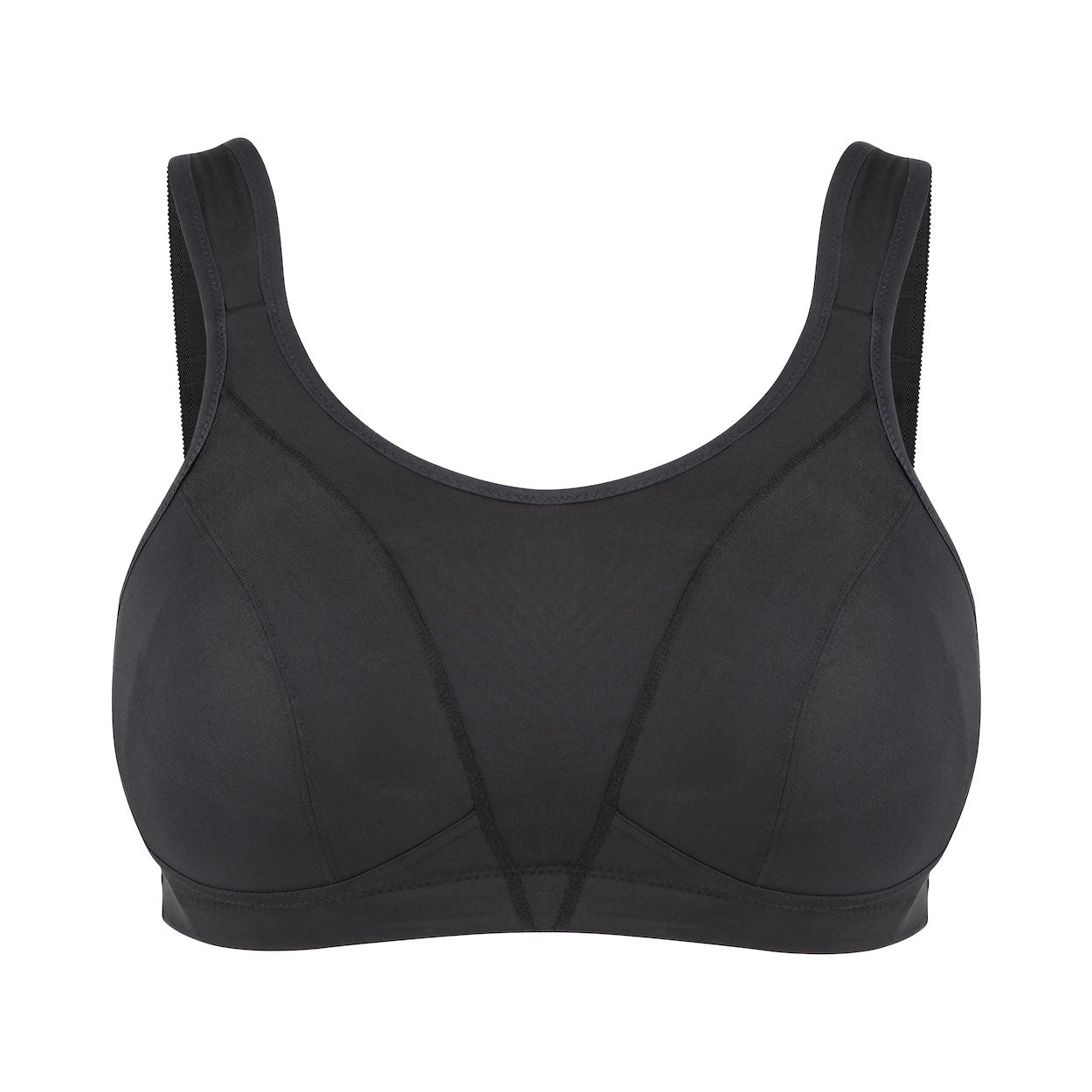
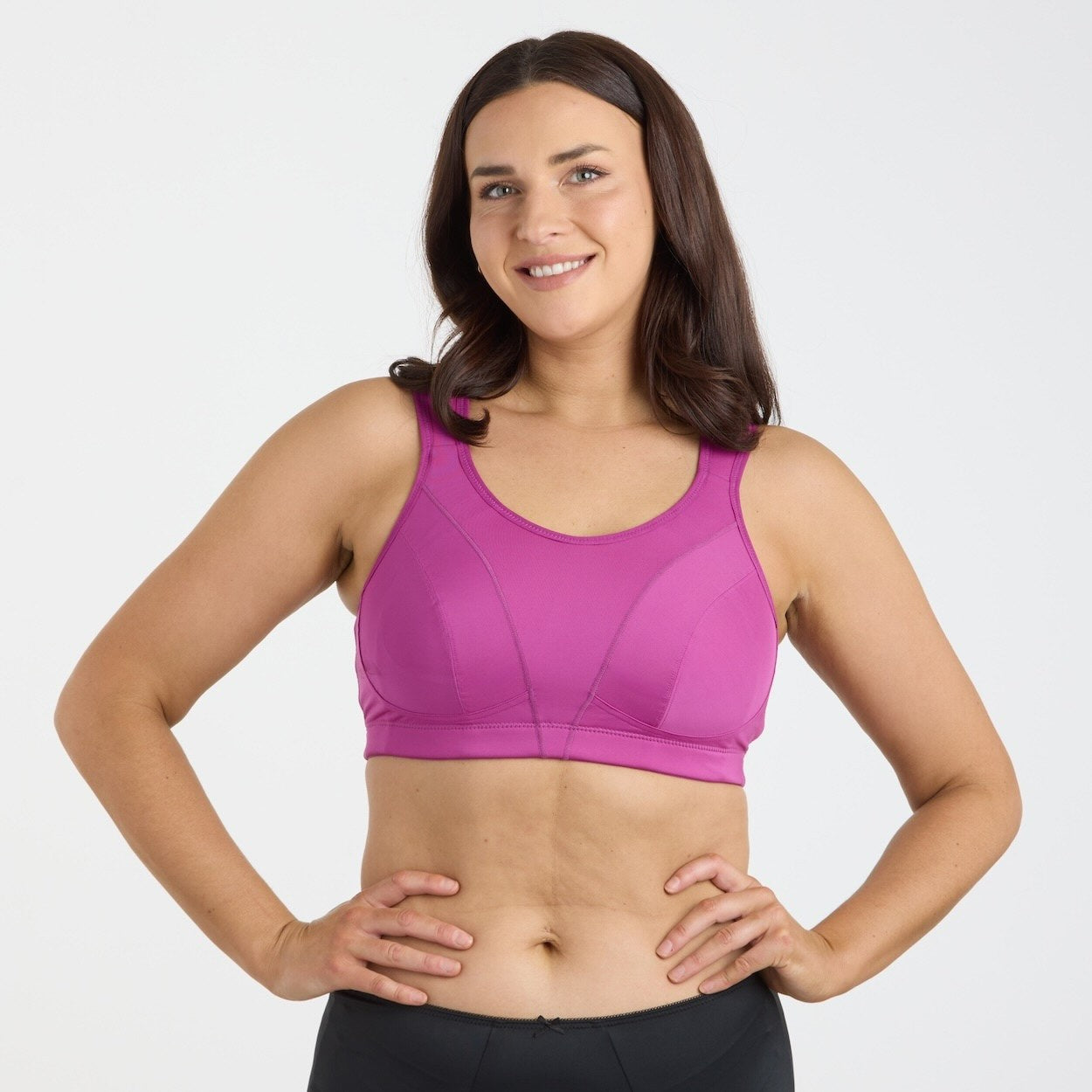
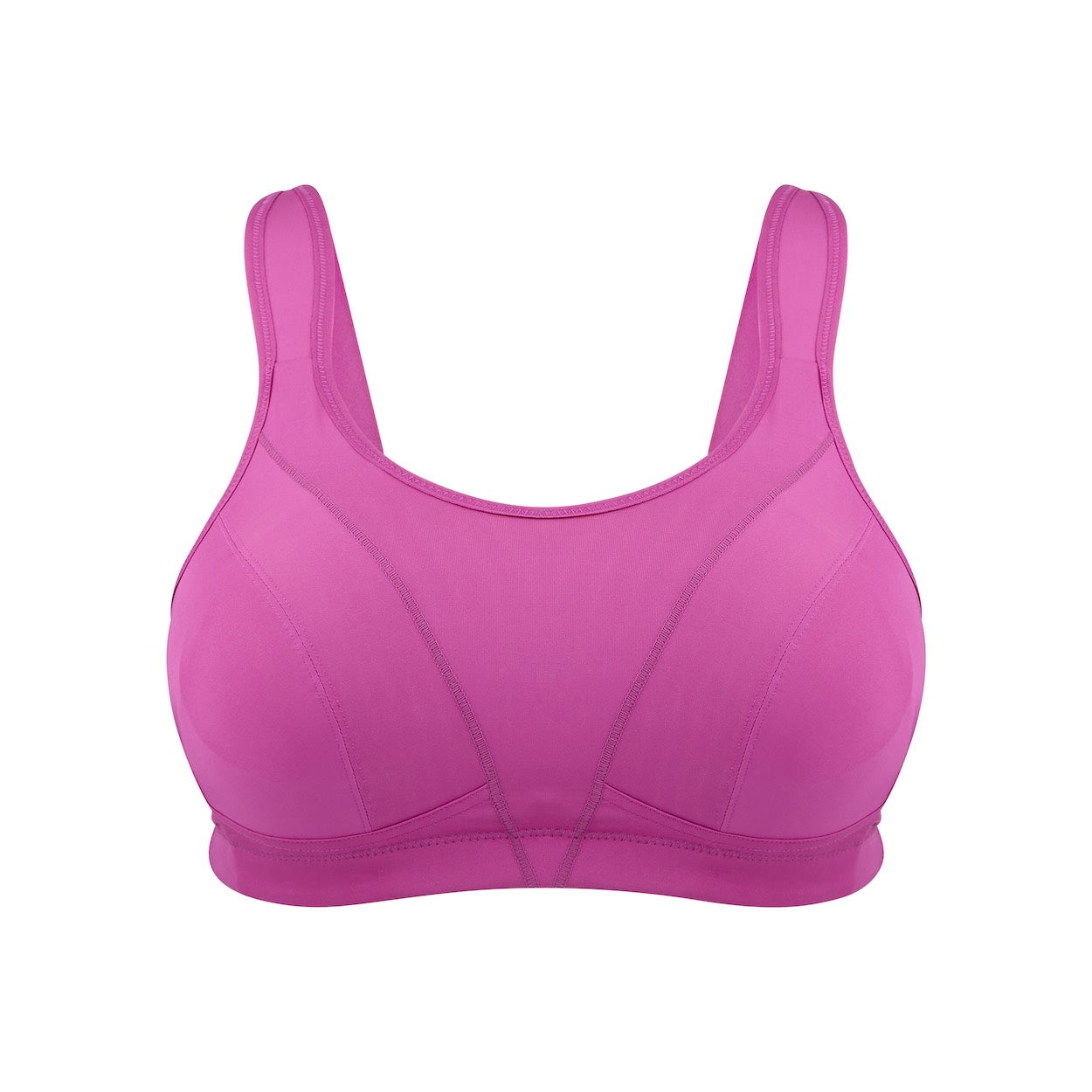
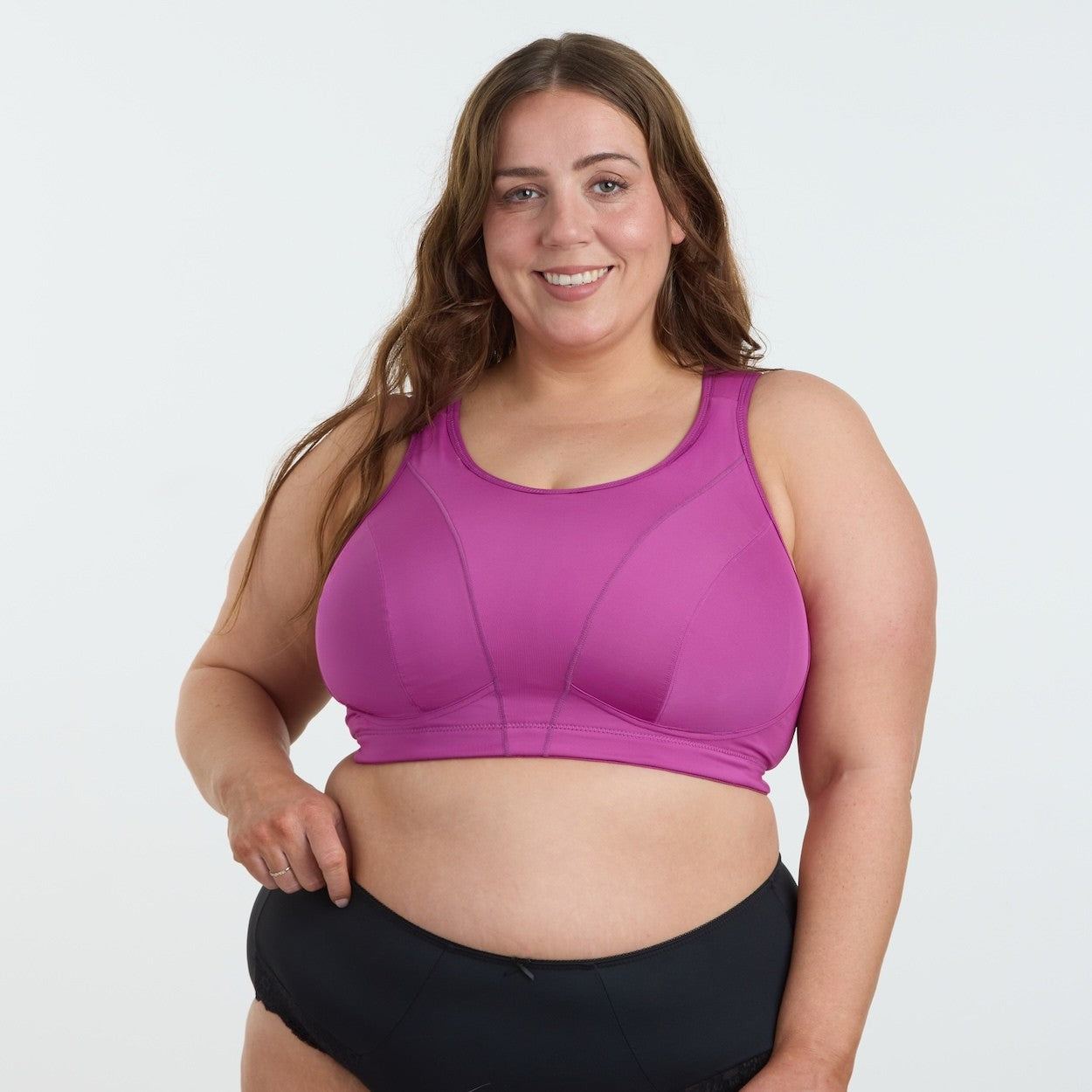
Sports bras follow a slightly different set of rules, because instead of just supporting weight, they also need to control movement. The two main approaches to achieving this are:
-
Compression, which holds the bust close to the body,
-
and encapsulation, which supports each breast individually.
Depending on the level of movement you’re doing, the level of control you need will differ. Compression is great for high-impact sports, but can feel restrictive for yoga, dance, etc.
Start by learning the level of support that best matches the types of activity you enjoy in The Best Sports Bra for Every Workout, then pick up some great tips on what to look for in our Guide on How to Pick a Good Sports Bra. For larger ladies, head straight over to How to Choose a Plus Size Sports Bra, where we cover the features to look for in plus-size activewear.
Support Starts With Better Bra Design
At the end of the day, support isn’t something you can impact once the bra is in your drawer, it starts with how the bra is built.
A supportive bra works by distributing weight through the band, shaping through the cups, and stabilising through the straps - not by relying on any one part alone. When those elements are working together, your bra stops being something you think about… and isn’t that all any of us really want for our underwear?
If you’re ready to feel that difference for yourself, start by exploring styles made for your body and your day:
-
Browse our Full Cup bras for support up to G cup
-
Explore our Premium Support bras for G – K cups that need more structure
-
Discover our Sports Bras for movement, control, and comfort
-
Or shop our full range of bras by size to find your perfect fit
Not quite sure where to start? Our bra fit tools and online bra fittings are there to help you figure it out. Because once you understand how support actually works, you don’t have to settle for a bra that doesn’t do you justice.
Frequently Asked Questions
Why do bra straps dig into shoulders?
Usually if your straps are digging in it’s because the band isn’t tight enough, so it’s forcing the straps to carry more weight than they’re designed for.
Where should bra support come from?
Most support should come from the band, with the cups providing structure and the straps offering light stabilisation.
Why do bras feel uncomfortable after a few hours?
If a bra is comfortable at first, but starts feeling painful as the day wears on, it’s usually because of a poor fit, lack of structure, or not having enough flexibility to cope as your body changes throughout the day.
How should a supportive bra fit?
A good bra should feel snug in the band, fully contain your breast tissue, and stay comfortable without needing constant adjustment. If you try to slide two fingers under the band where it meets your spine, you should be able to get them in comfortably, and be able to pull the band 2-4cm away from your skin.