Breast Shape Guide
Have you ever bought a bra that a friend absolutely raves about, only to find it does nothing for your figure? The reason often comes down to something we don't talk about nearly enough: breast shape.
One of the biggest misconceptions about bra fitting is that your size tells you everything you need to know. In reality, two women can both wear a 14E size bra and have completely different breast shapes, meaning the same bra can fit one beautifully and feel all wrong on the other.
The good news? You don't need to learn a whole new language of bra fitting. Once you understand a few of the characteristics that make your breasts unique, shopping for bras becomes much less of a guessing game.
In this guide, we'll explain the most common breast shapes, the fit problems you might encounter with your particular shape, and how to find the best bras for each.
Why Breast Shape Matters
We all know that breasts come in different shapes and sizes, but there are certain terms that categorise some of the most common breast shapes into easy language, which can make it easier to know what you’re looking for.
Think of it a bit like trying to find a great pair of sunglasses. You might have a narrow face, or a round one. Your bridge may be wide, your eyebrows may be low, your eyes may be close-set. None of these are things you spend much time thinking about, until you’re trying to find glasses that complement your face.
The same applies to breasts. The way your breasts sit on your chest, where most of your fullness is, and how far they project from your body all influence how a bra fits.
That's why two women who have the same bra size measurements can have completely different experiences in the same bra.
In the sections below, we'll explain the most common breast shape characteristics, how to identify them, and the bra features that can help you achieve a more comfortable, supportive fit.
The Most Common Breast Shapes
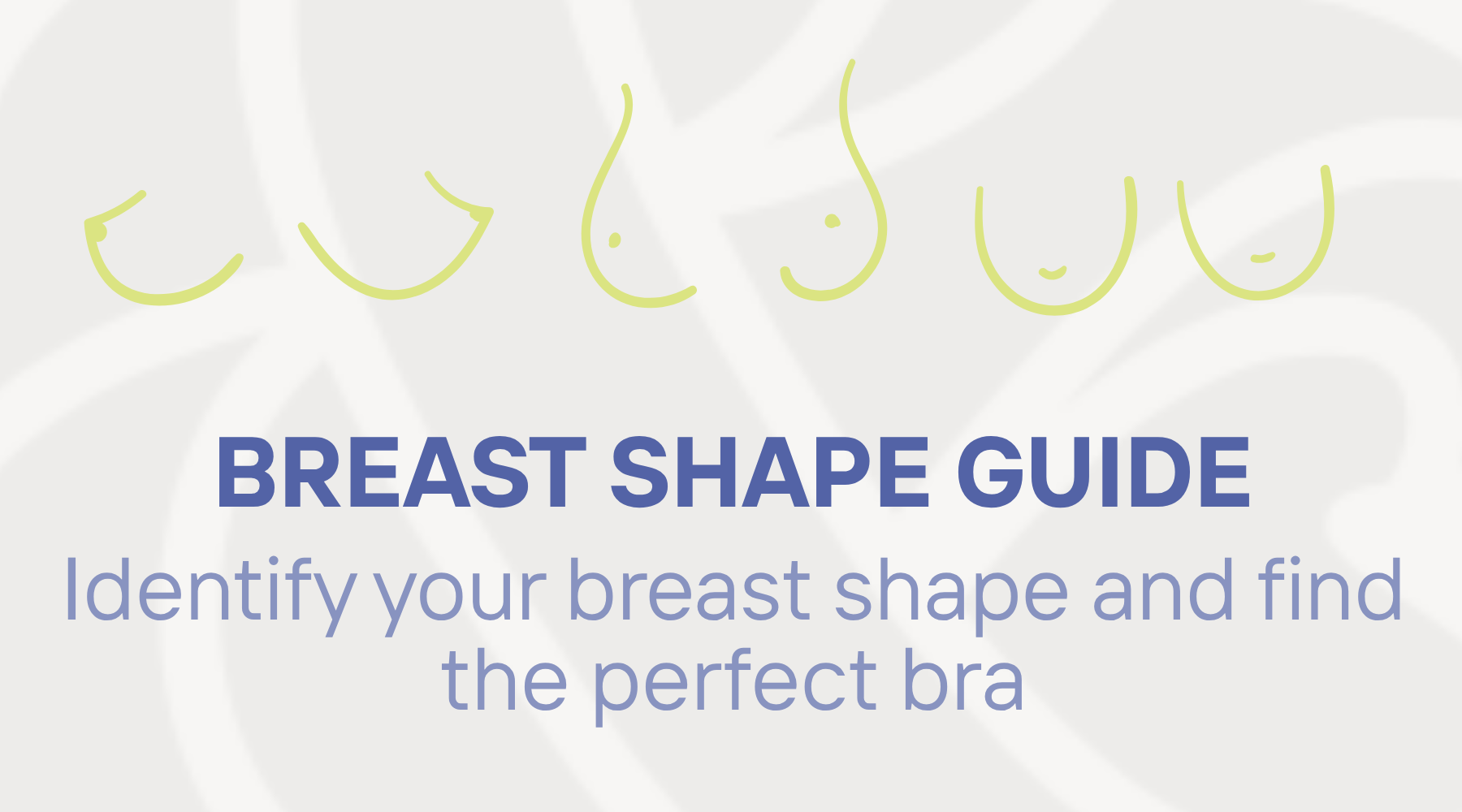
While every woman's breasts are unique, there are a handful of breast shapes that our bra fitters see time and time again. You might recognise yours straight away, or you might identify with characteristics from a couple of different categories.
Don't worry about finding a perfect match, but read the tips for each, so you can pick a bra that works for your body.
Full-on-bottom breasts
If your breasts are fuller underneath than they are above the nipple, you have what's known as “full-on-bottom” or bottom-heavy breasts. By far, this is one of the most common breast shapes we see, particularly for women who have had children or are over forty.
One of the easiest ways to recognise this shape is by the way certain bras fit. Moulded or padded bras often gape at the top, even when the rest of the bra feels like the right size. It can be tempting to size down to get rid of the gap, but that usually creates new problems, like underwires sitting on breast tissue or cups that are too small elsewhere.
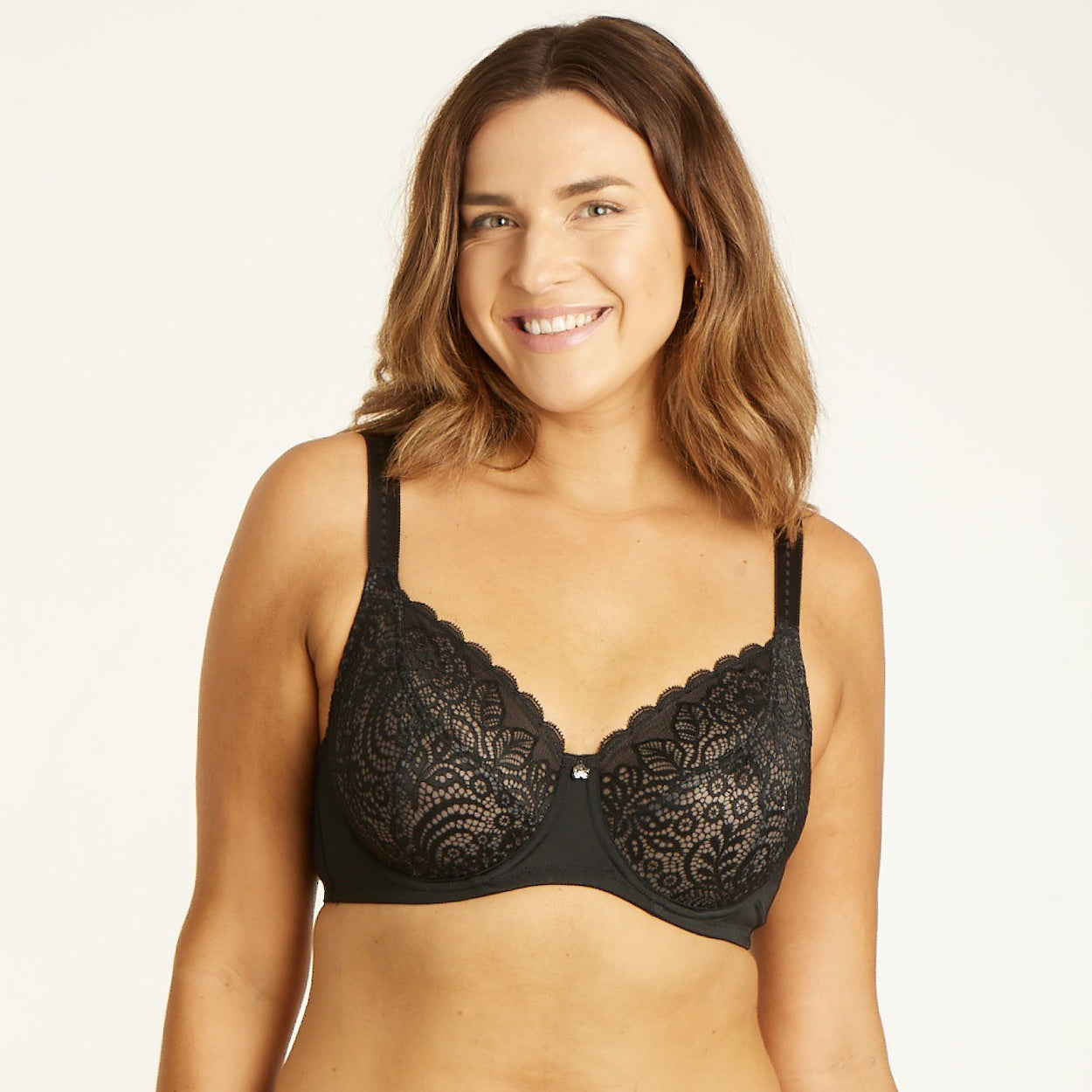
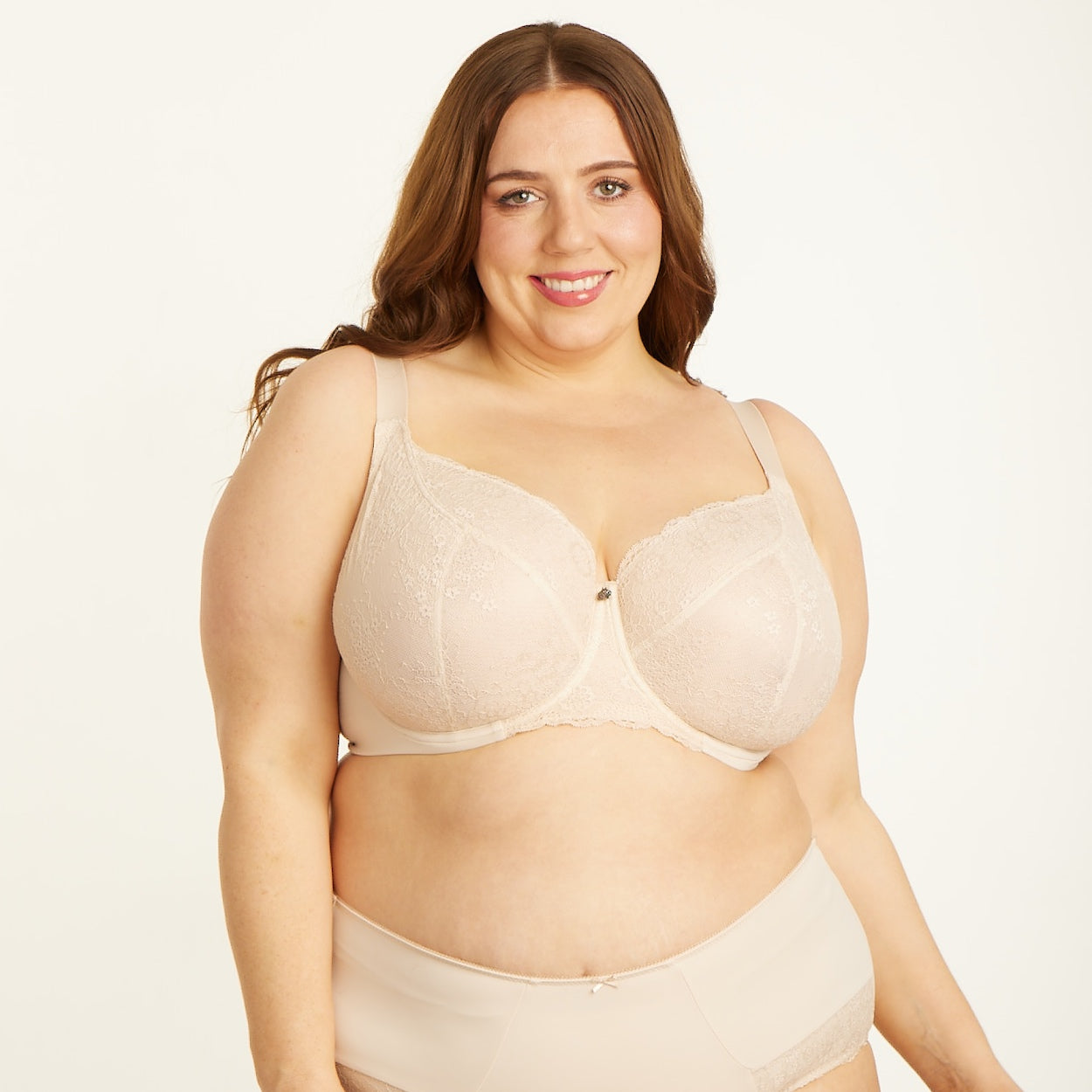
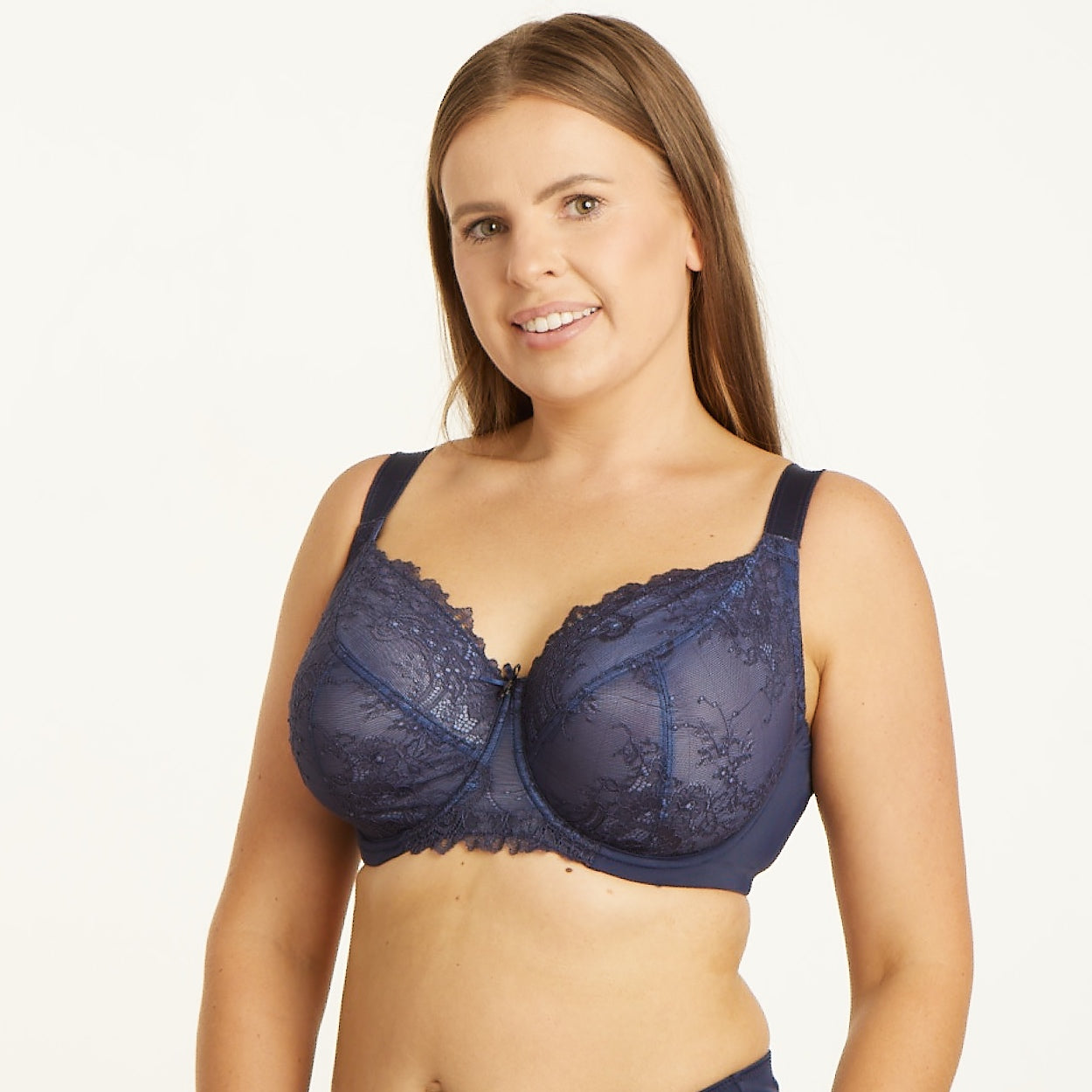
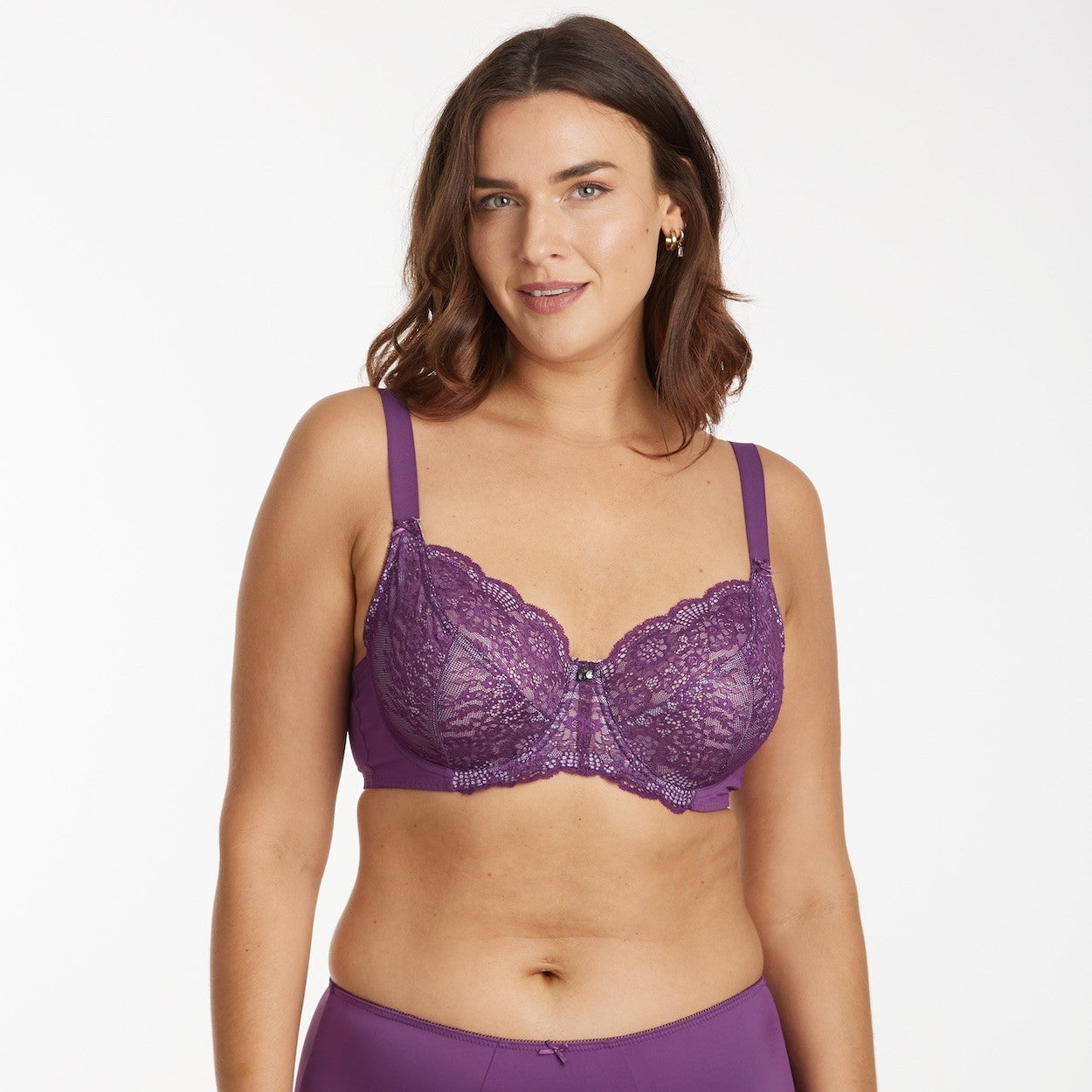
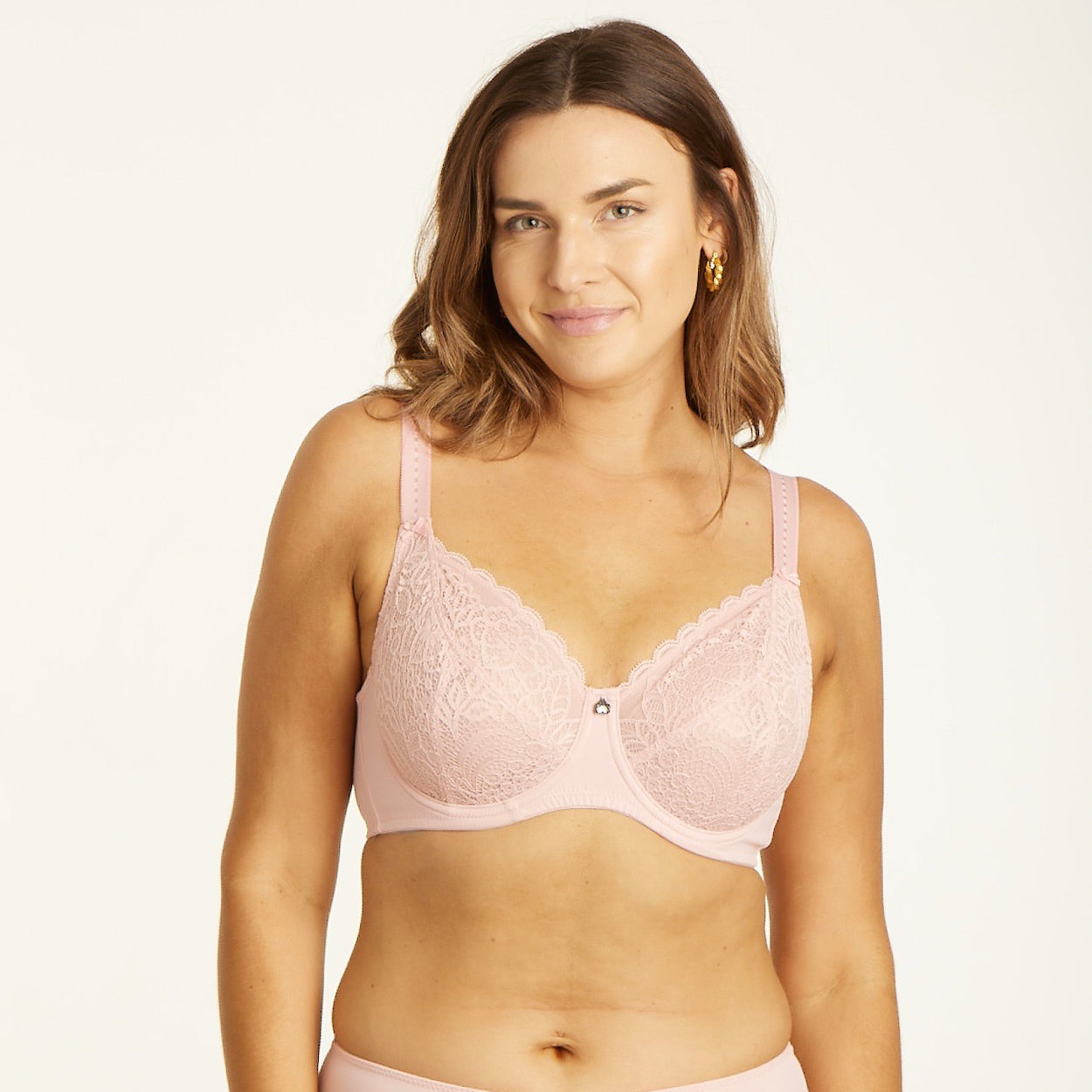
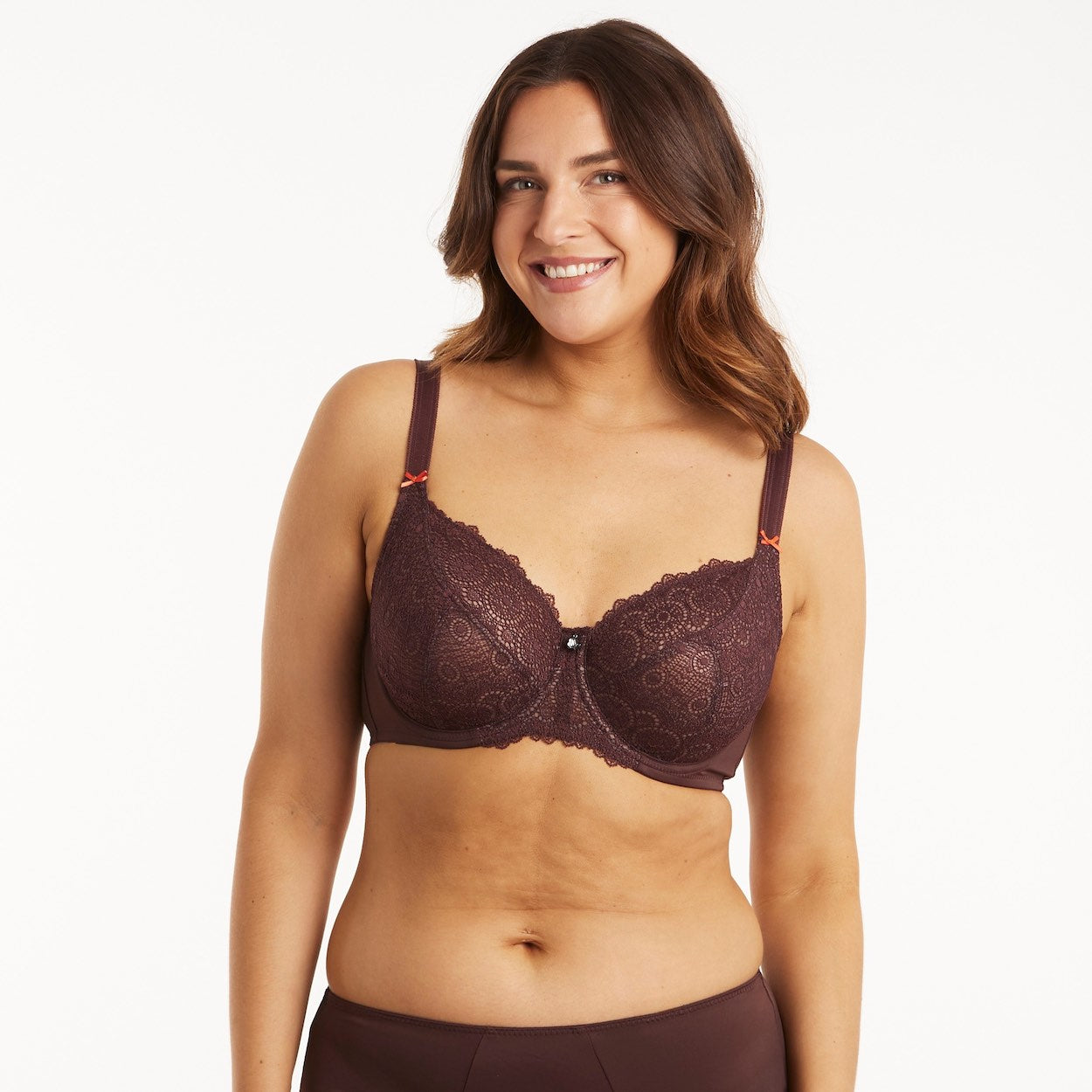
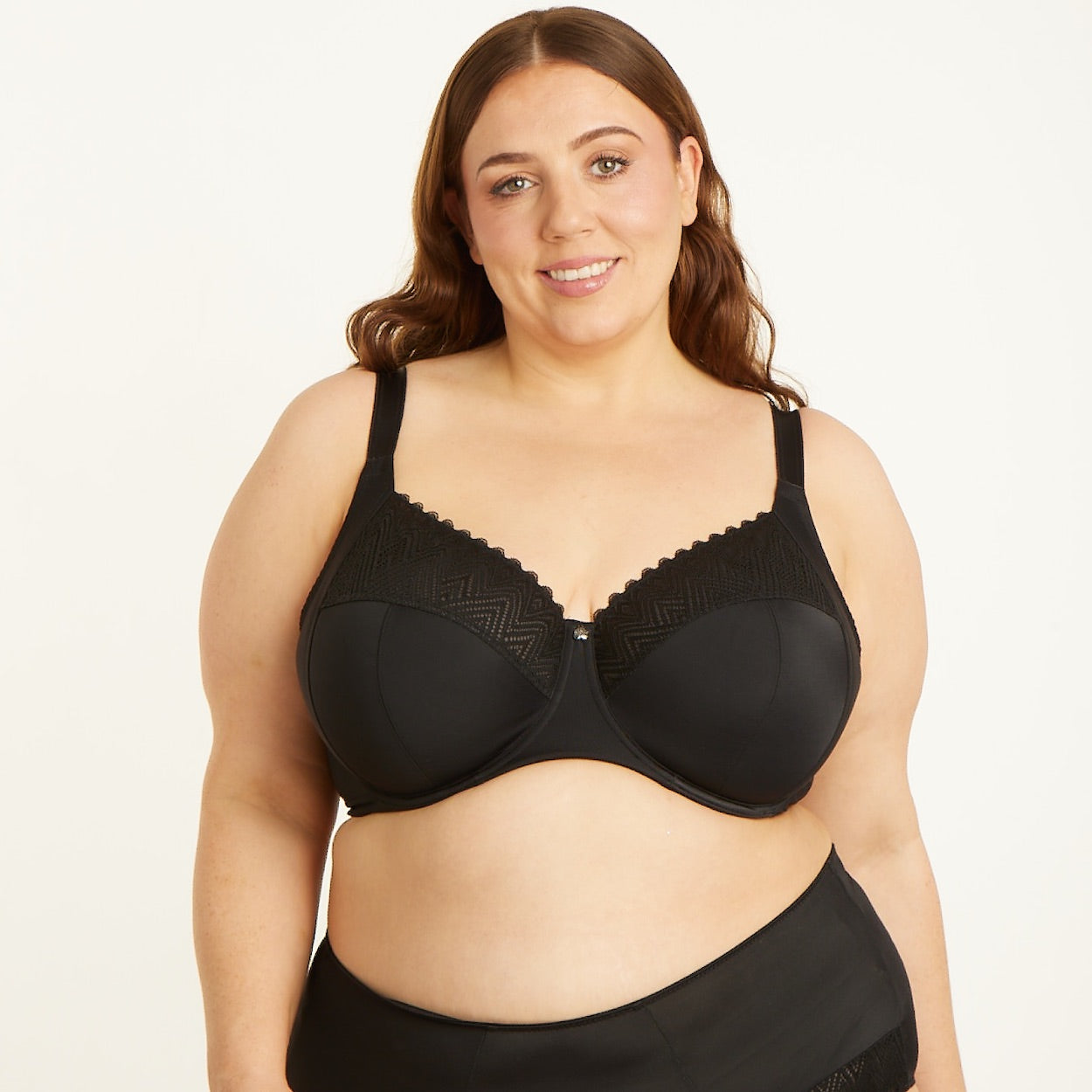
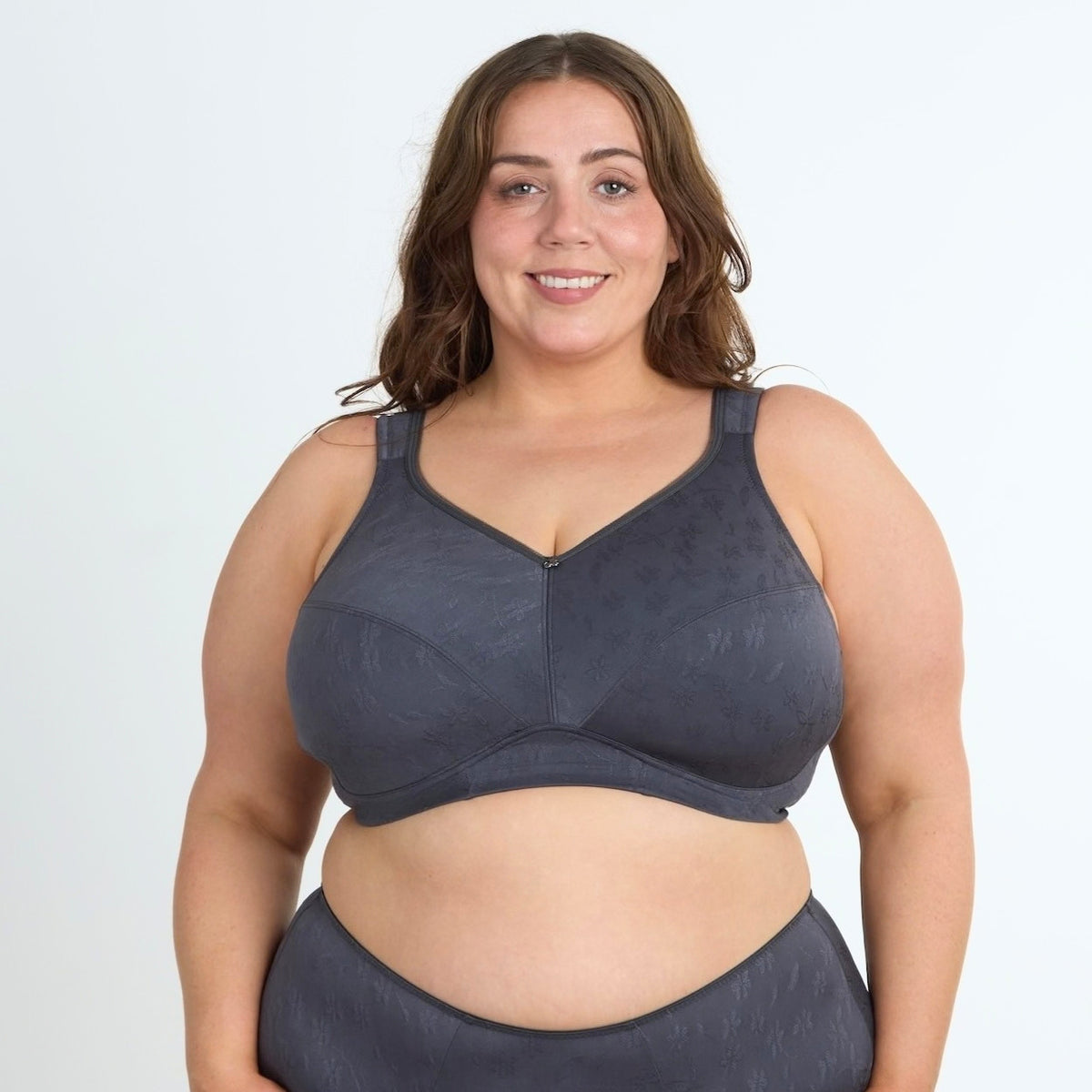
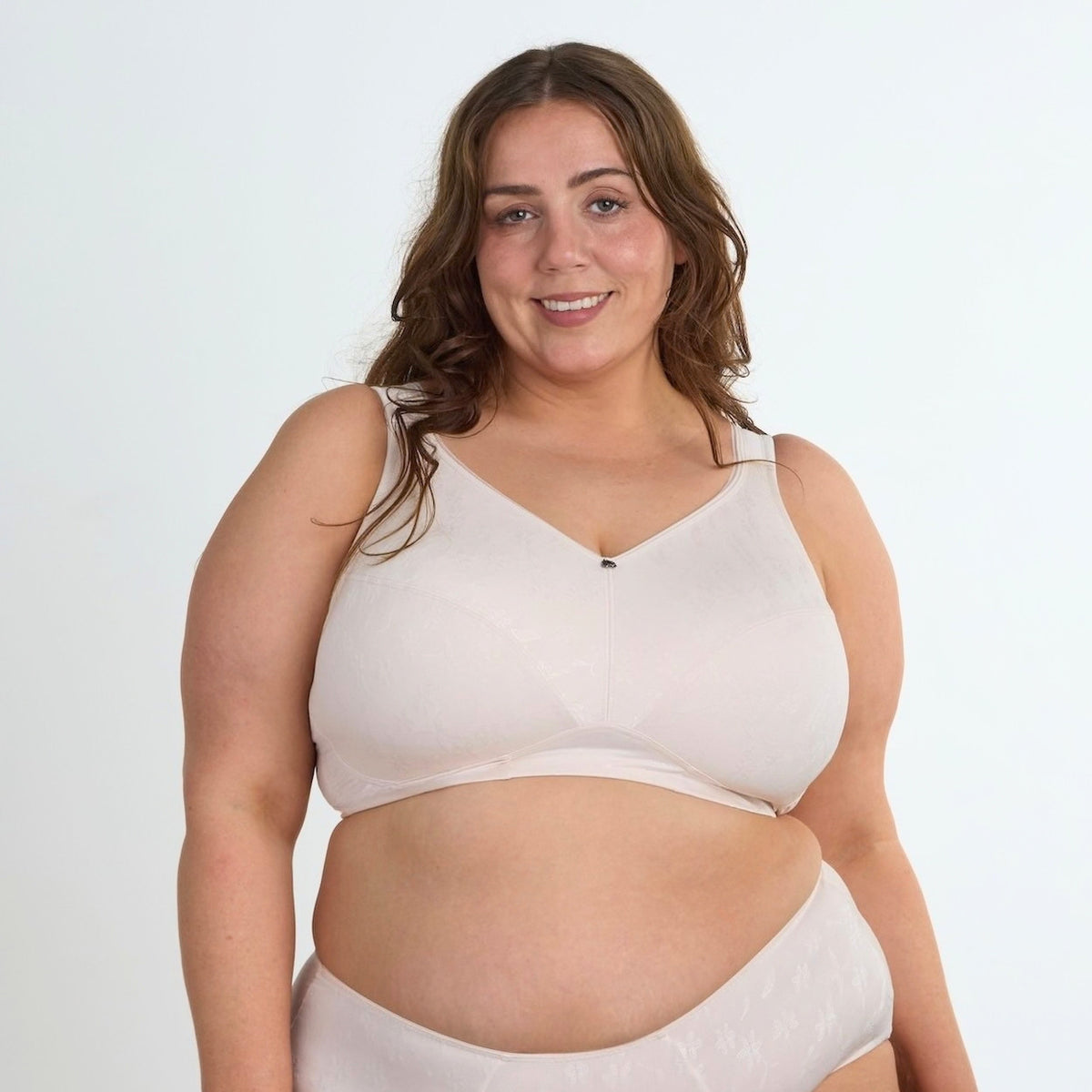
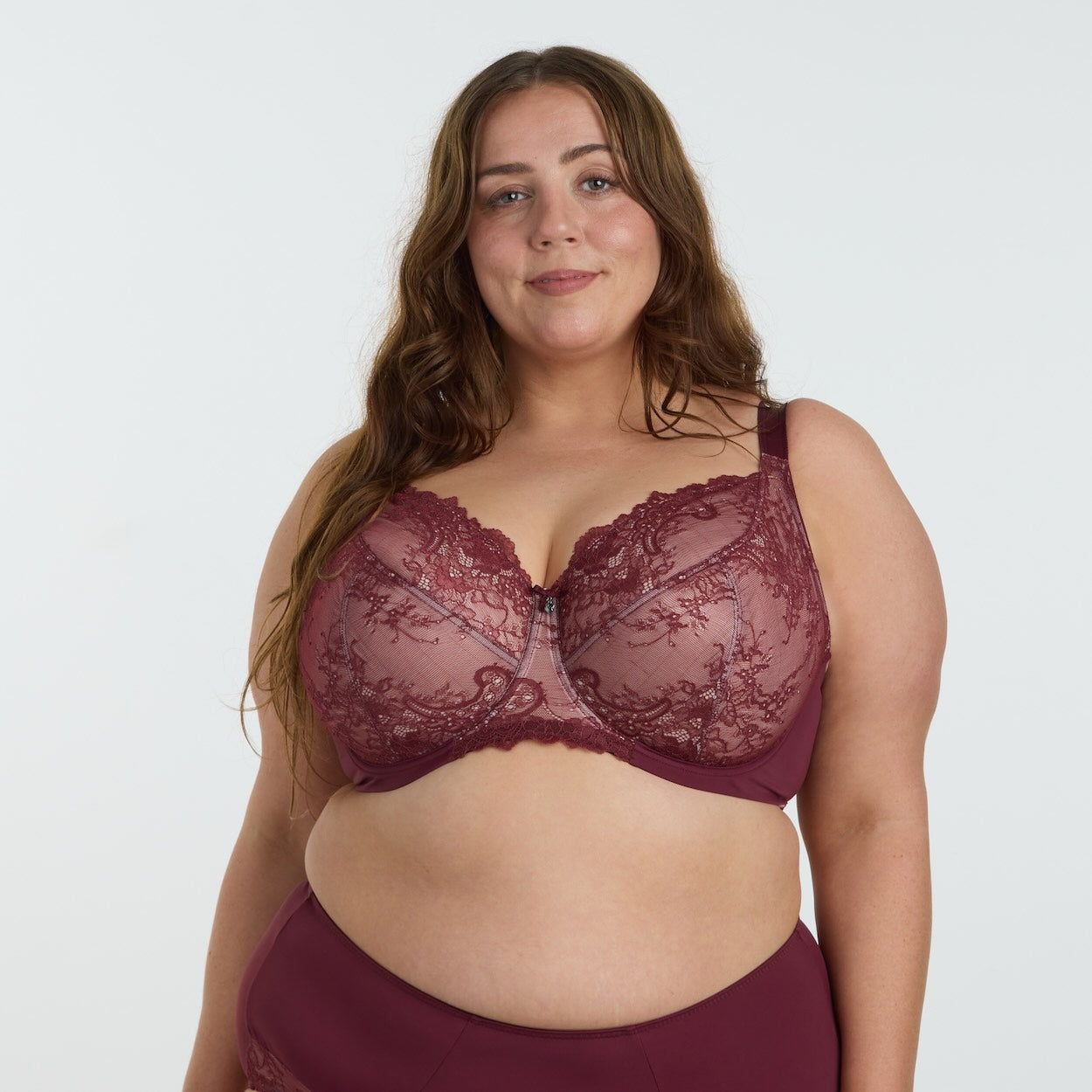
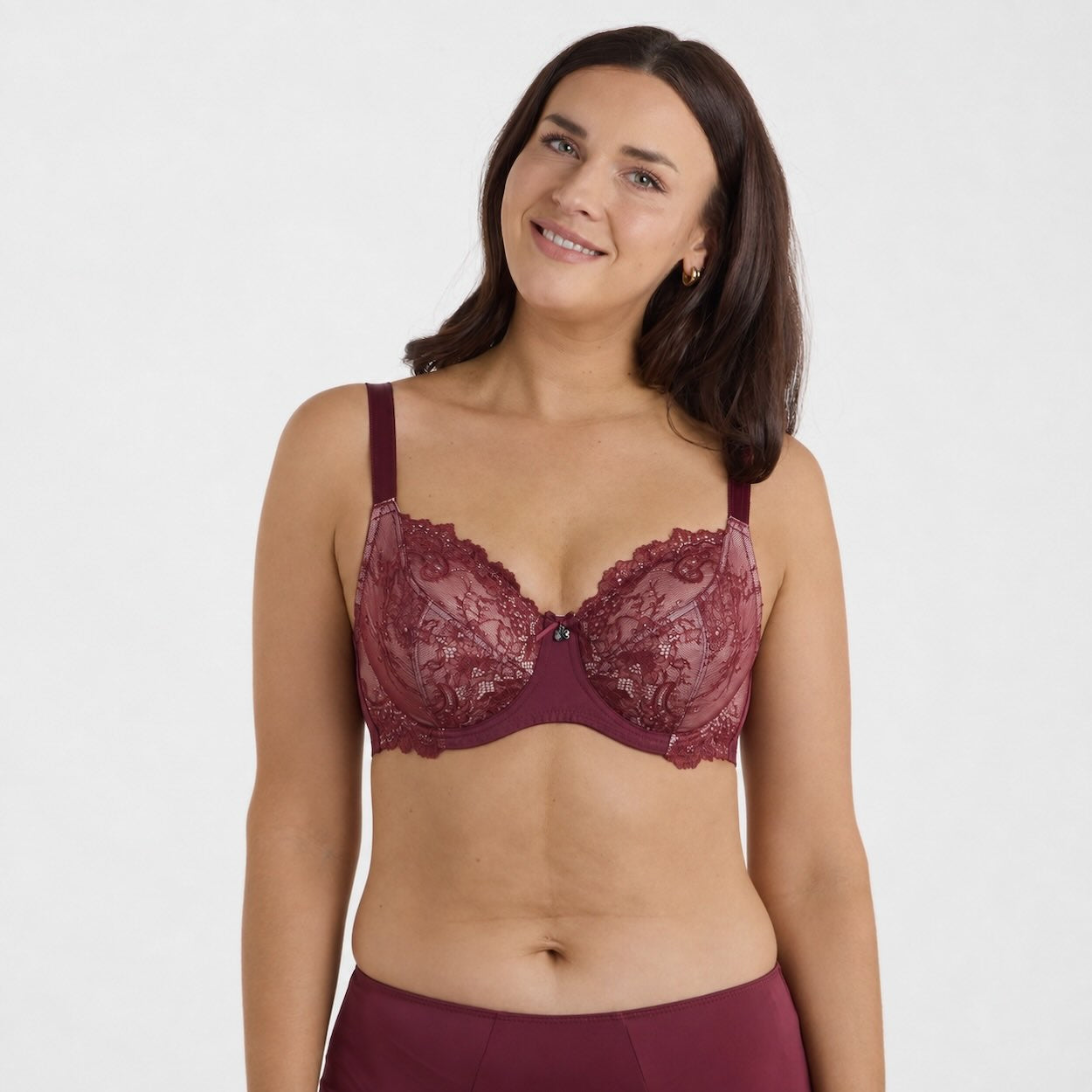
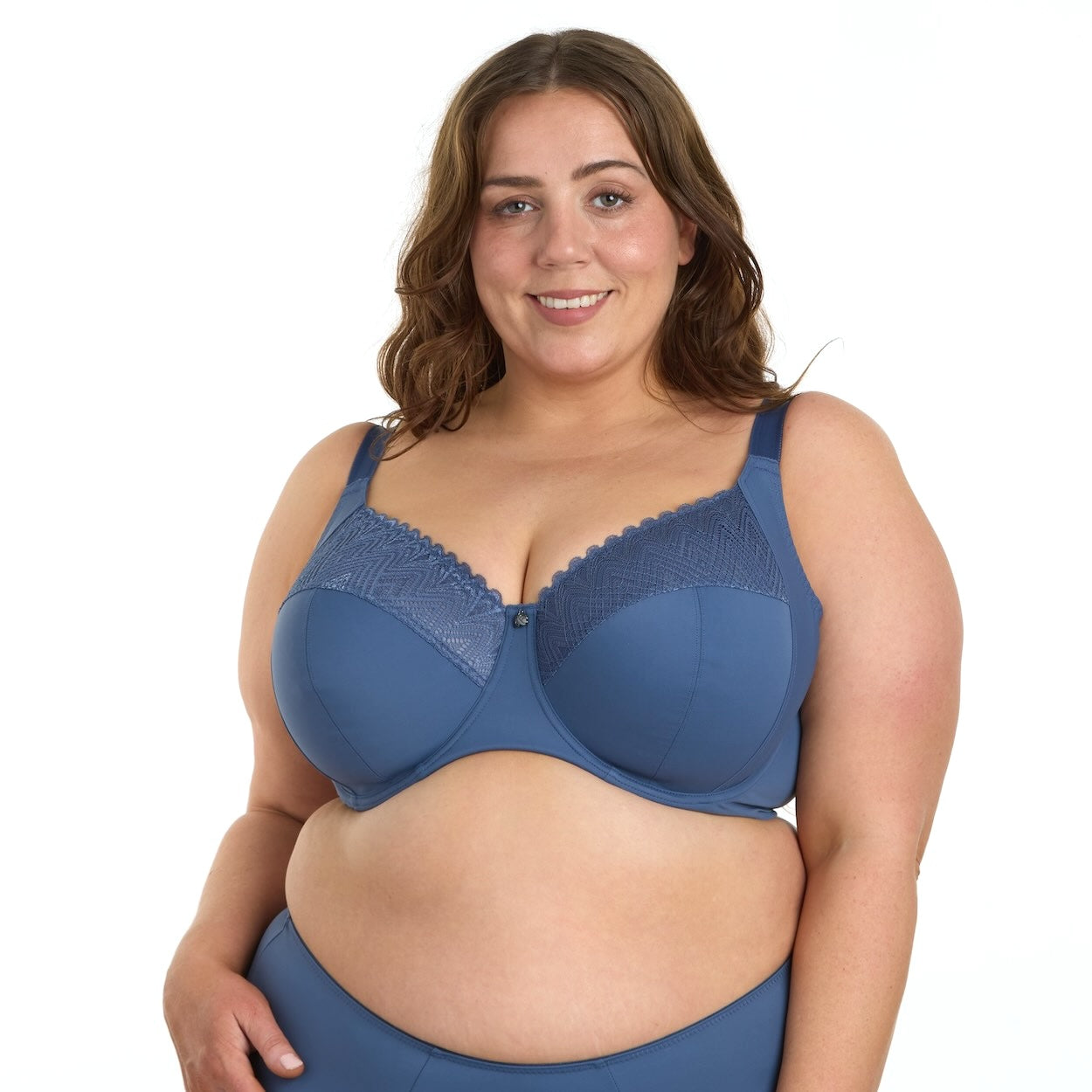
Look for: Bras with soft, flexible lace along the top of the cups rather than rigid moulded cups. Look for side support and a shallow profile cup, which encourages your breast tissue upward for a more rounded look. You can see this in online product photos; when the model’s band is visible beneath the cups, you know the bra gives good lift.
If you'd like to learn more about why fabric and lace often outperform moulded cups, especially as breast tissue changes over time, read our guide to Why Lace Bras Are Better Than Padded Bras for Mature Breasts.

Full-on-top breasts
If your breasts are fuller above the nipple than they are below, you likely have “full-on-top” or top-heavy breasts. With this shape, you may find that even when you’re wearing the right size, your breasts aren’t quite contained in the upper part of the bra, which can make some styles feel restrictive.
A common sign is bras that seem to cut into the top of your breasts, creating a bulge or "quad boob" effect. You might also find yourself spilling out of the cups, even though the band feels comfortable. These are also signs that you may need to go up a cup size, so it’s worth trying a few different styles to work out if it’s a style or a size issue. We cover that in more detail in How to Fix Bra Spillage & Overflow.
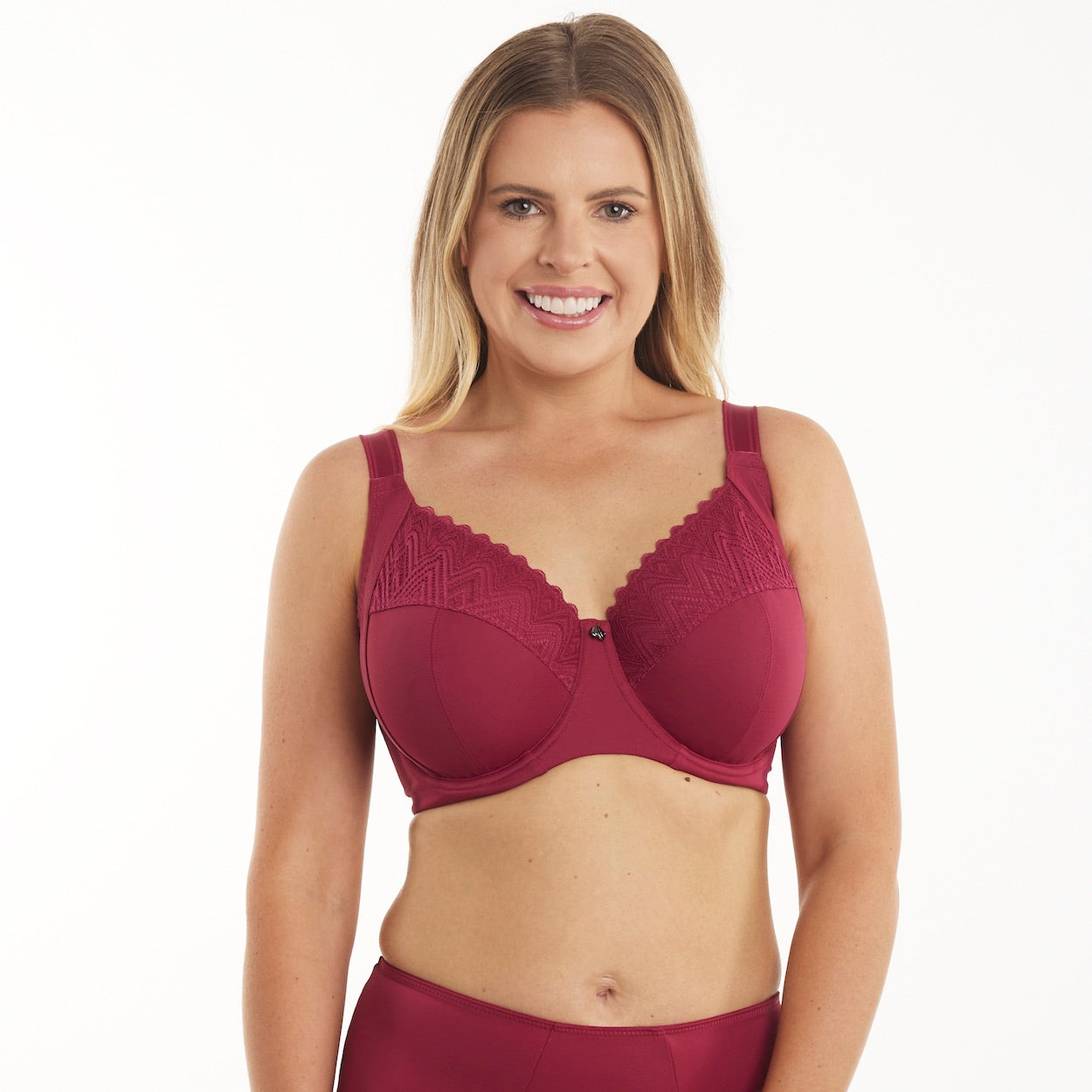
Look for: Bras with generous upper-cup coverage and flexible fabrics that accommodate fuller breast tissue, rather than rigid cup edges that cut in. When shopping for bras online, check how the bra fits the model. Often, models with top-heavy breasts are chosen for photoshoots, so it’s a great way to see what the fit looks like on your shape.

Projected breasts
Projected breasts extend further away from the chest, rather than spreading across it. If this sounds like you, you may find that some bras feel like they're strapping your breasts down instead of holding them up.
One of the most common signs of projected breasts is that, when you put on a freshly laundered or new bra, the underwire sits on the breast tissue, or the centre of the bra is pushed away from your chest. You might also notice your breasts feel compressed or flattened, even though you're wearing the correct size. Interestingly, many of these issues go away over the course of the day as the fibres in your bra loosen up, but you can avoid them altogether by choosing a bra that’s well suited to projected breasts.
Look for: Bras with enough stretch and depth through the cups to support your natural shape without compressing it, along with a firm, supportive band that doesn’t ride up onto your breast tissue during the day.

Shallow breasts
Shallow breasts are wider across the chest but don't project as far forward as some other breast shapes. This often means your breast tissue is spread over a wider area, rather than sitting prominently on the chest.
If you have shallow breasts, you may find moulded bras leave empty space or wrinkles near the deepest part of the cup, even when the rest of the bra fits well. This happens because the cup is expecting more projection than what’s usual in your natural shape.
Look for: Bras with flexible fabric cups that follow your natural shape, rather than trying to force it into a fixed mould. Like with full-on-bottom breasts, you may prefer a bra with supportive lower cups, which creates a naturally rounded silhouette without relying on padding. When shopping online, look for the band below the model’s cups. If you can see it, the bra likely has a supportive lower cup.

East-west and wide-set breasts
East-west and wide-set breasts are often grouped together because they create similar challenges. East-west breasts point away from each other, while wide-set breasts sit further apart on the chest.
East-west breasts in particular are a shape that many of our clients are self-conscious about, but we see them every day in our online fitting room, so know that you’re in good company!
If your breasts are angled outwards or set wide apart, you’ll likely notice that most bras don’t give you the rounded shape under clothes that you might be looking for. Those that do provide support, often lift from the bottom, which means your breasts sit higher up, but are still drifting towards the side of your body.
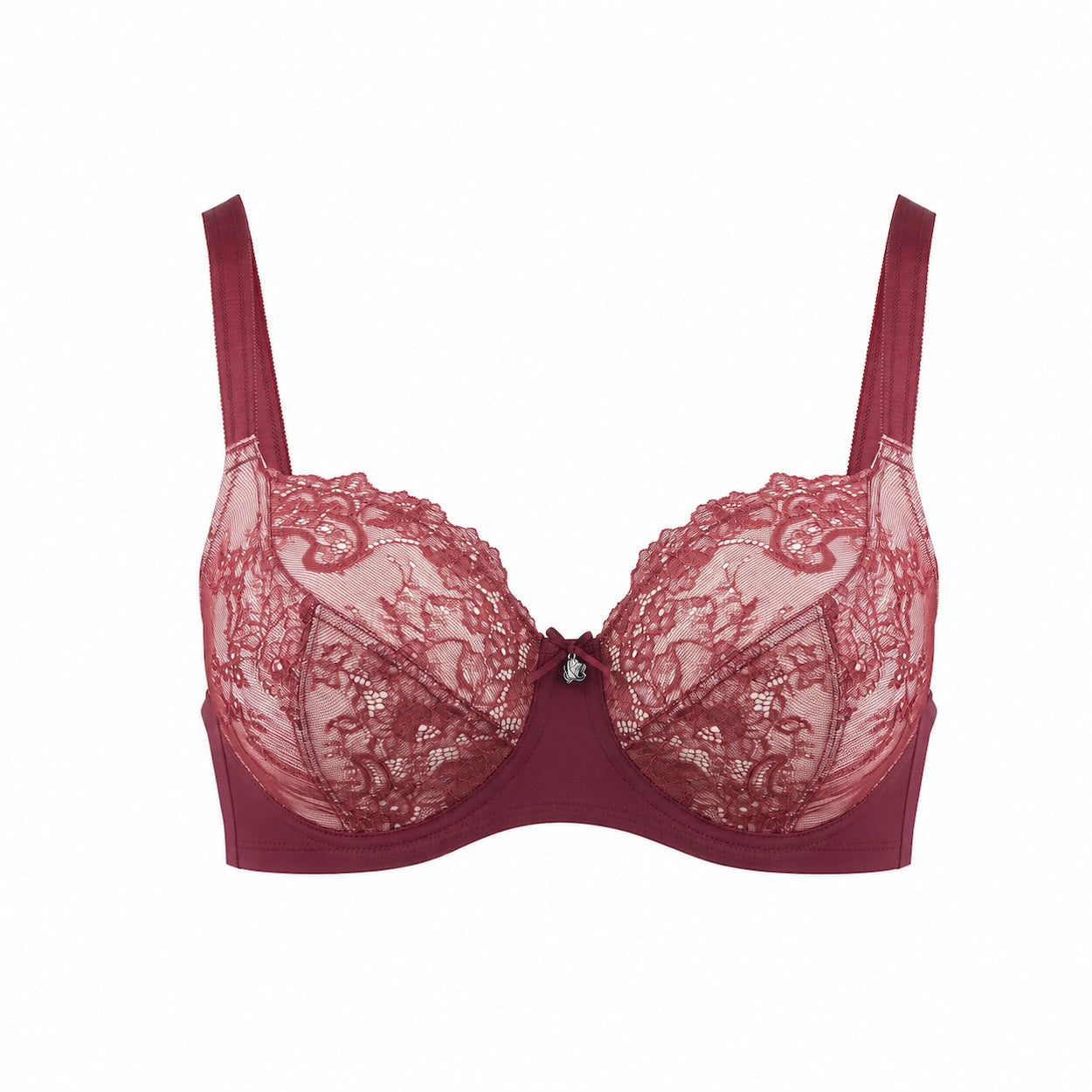
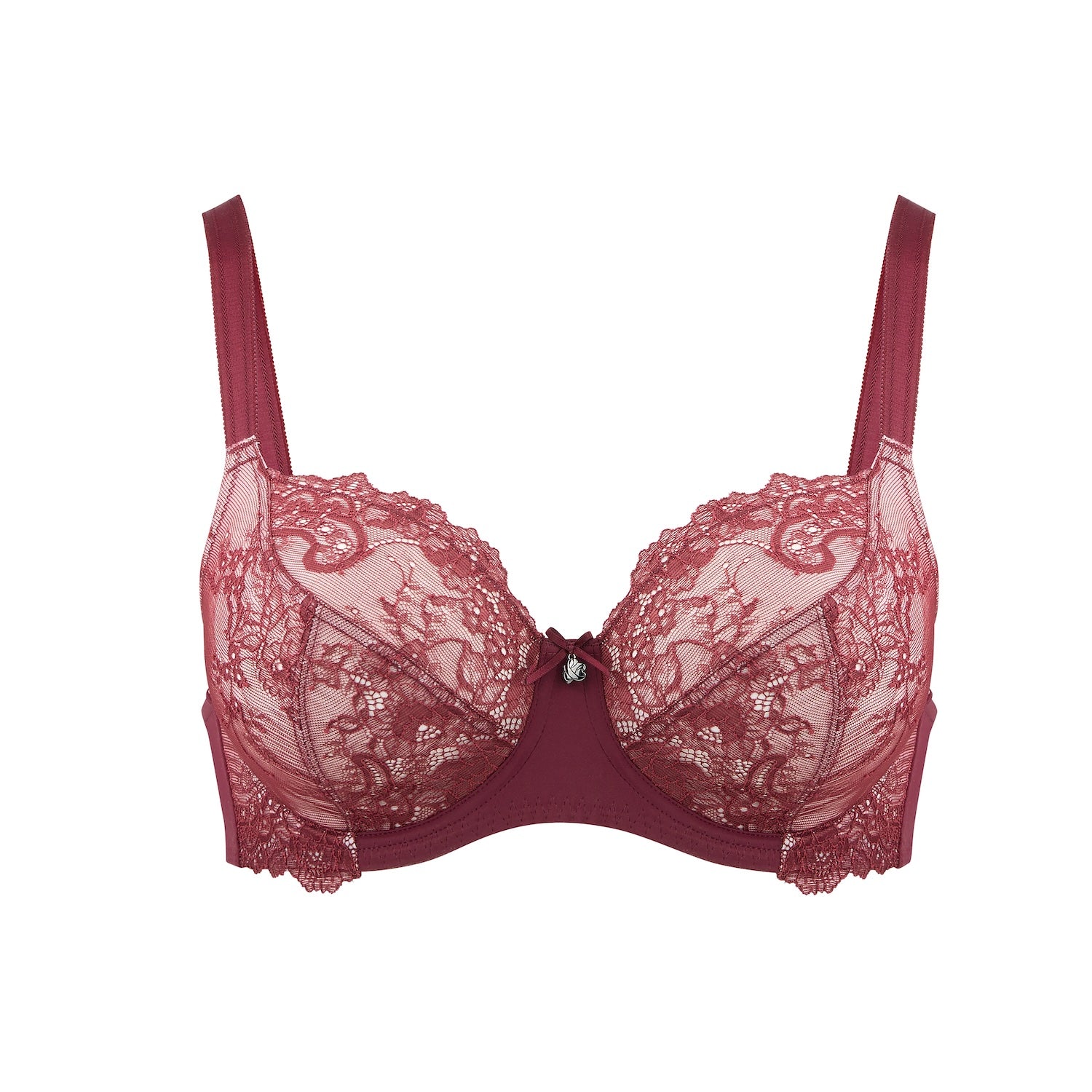
Look for: Bras that list side support panels among their features. Side support is a band of fabric that reinforces the outer edge of bras, gently guiding breast tissue forward to create a more centred shape.

Close-set breasts
Close-set breasts sit nearer to each other, with little or no space between them. While this shape often creates natural cleavage, it can also make finding a comfortable bra more challenging.
If you have close-set breasts, you may find that underwires dig into the centre of your chest or that the centre panel (known as the gore) doesn't sit flat against your chest. Bras with tall or wide centre gores can feel uncomfortable because there isn't enough room between your breasts for them to sit properly, making them more likely to rub.
Look for: Bras with a narrower centre gore, or a wireless bra that gives great support, without the stiffness of wire.

Can Your Breast Shape Change?
Absolutely. In fact, most women will notice changes to their breasts at different stages of life. While your natural breast shape usually stays the same, things like hormones, weight fluctuations and ageing can affect your size, fullness and where your breast tissue sits. That's often why a bra that fitted perfectly a few years ago suddenly doesn't feel quite right.
Some of the most common reasons are:
-
Pregnancy and breastfeeding: Your breasts go through enormous changes during pregnancy and while feeding your baby. It's completely normal for them to settle into a different size or shape afterwards.
-
Weight changes: Because breasts contain fatty tissue, gaining or losing weight can change how your bras fit. If you've noticed things feeling different after a change in weight, our guide to How Weight Changes Affect Your Bra Fit explains what to look for.
-
Menopause: As hormone levels change, many women notice their breasts become softer, less dense or fuller in different areas. If this stage of life has left your favourite bras feeling uncomfortable, our article on How Menopause Changes the Way Your Bra Fits explains why.
-
Age: Over time, it's natural for breast tissue and skin to lose some elasticity. That doesn't mean anything is wrong. It simply means your breasts may need a little more support than they used to.
If your bras aren't fitting the way they once did, you may just need to choose a style that better suits the changes your body has gone through.
Still Not Sure What Your Breast Shape Is?
If you've read this guide and found yourself thinking, "I don't fit neatly into any of these categories," don't worry. That's actually the case for a lot of women.
You might have projected, full-on-bottom breasts that are also close-set, or shallow breasts that sit wider apart. That’s one of the reasons finding the right bra can be so difficult.
Shop Better Bras at Rose & Thorne
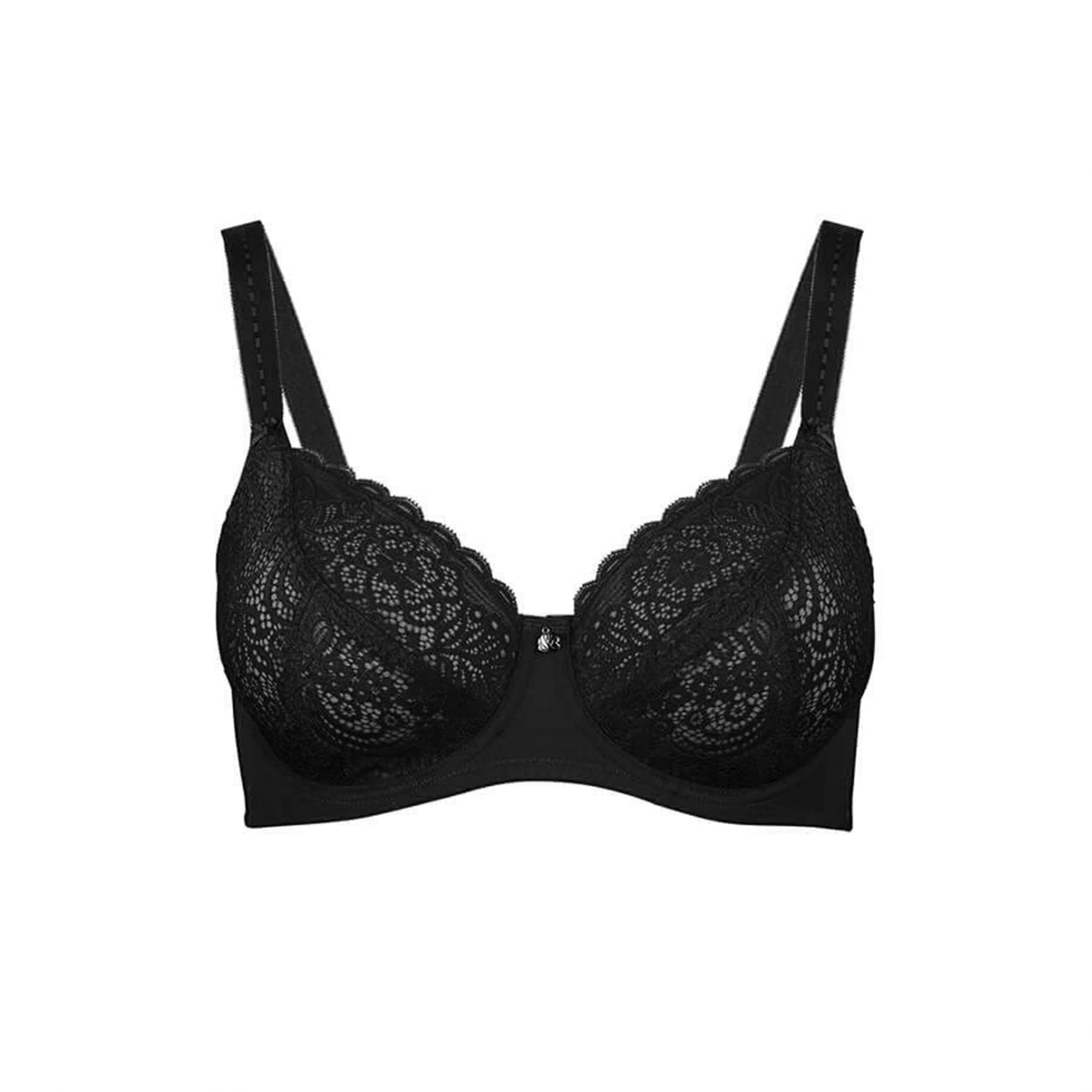
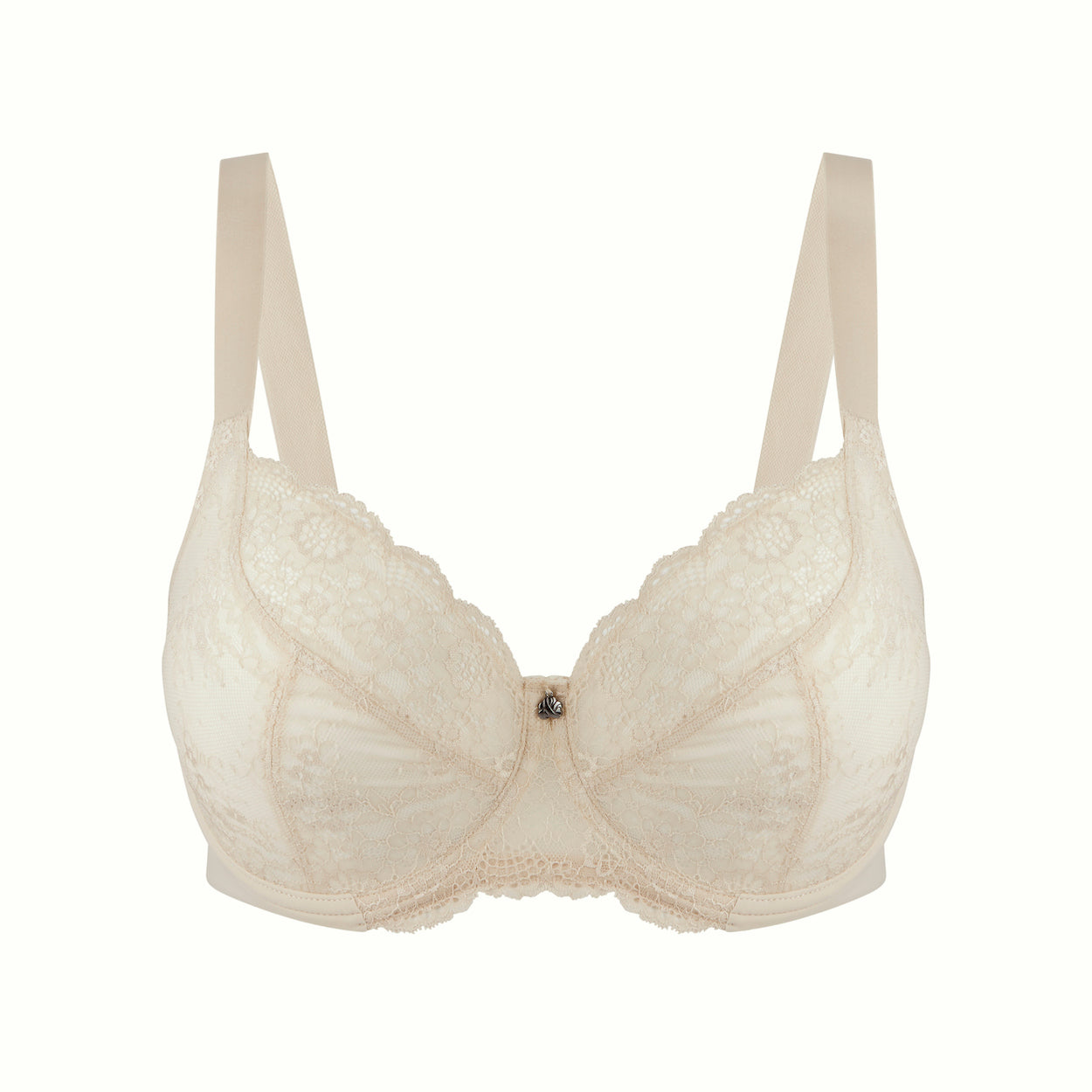
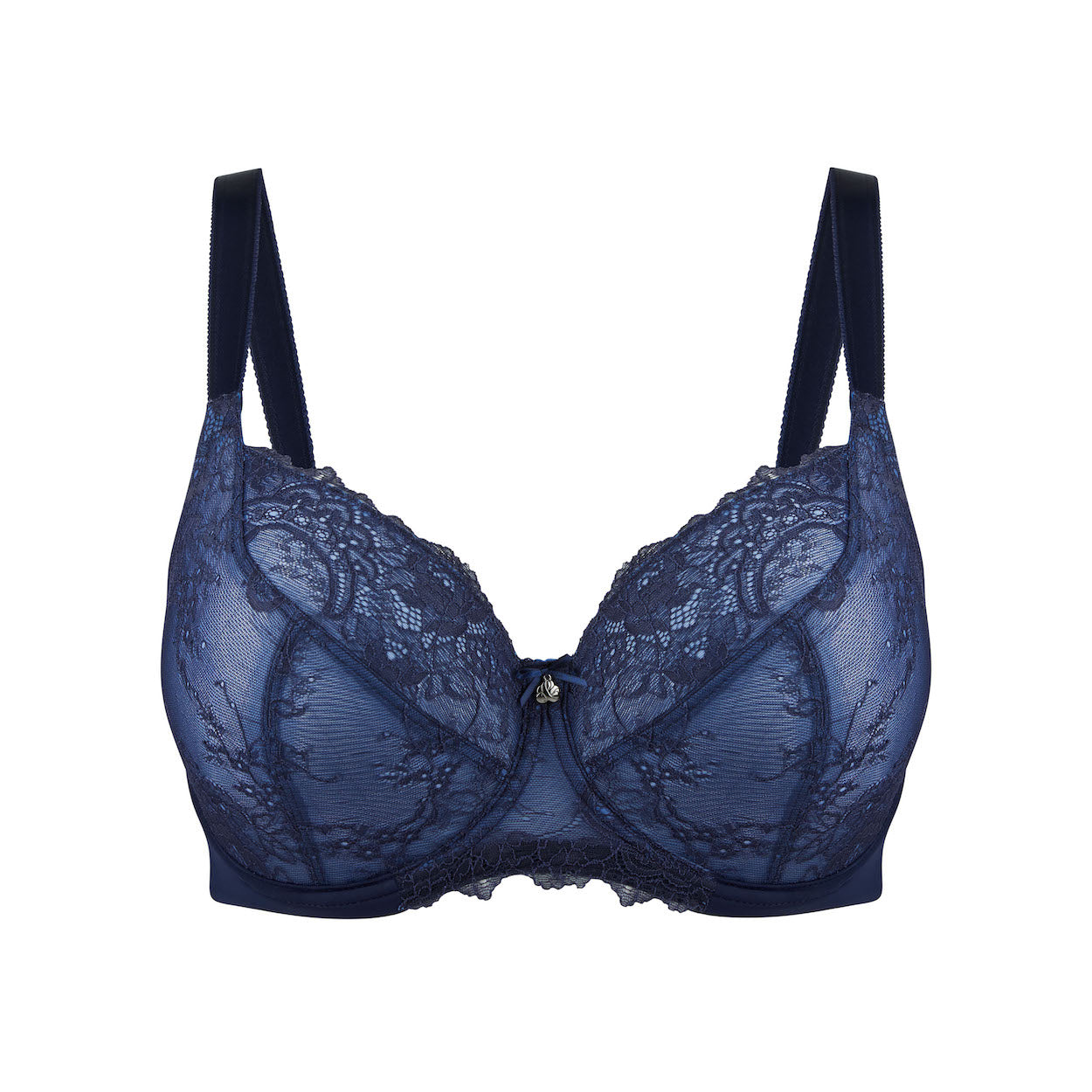
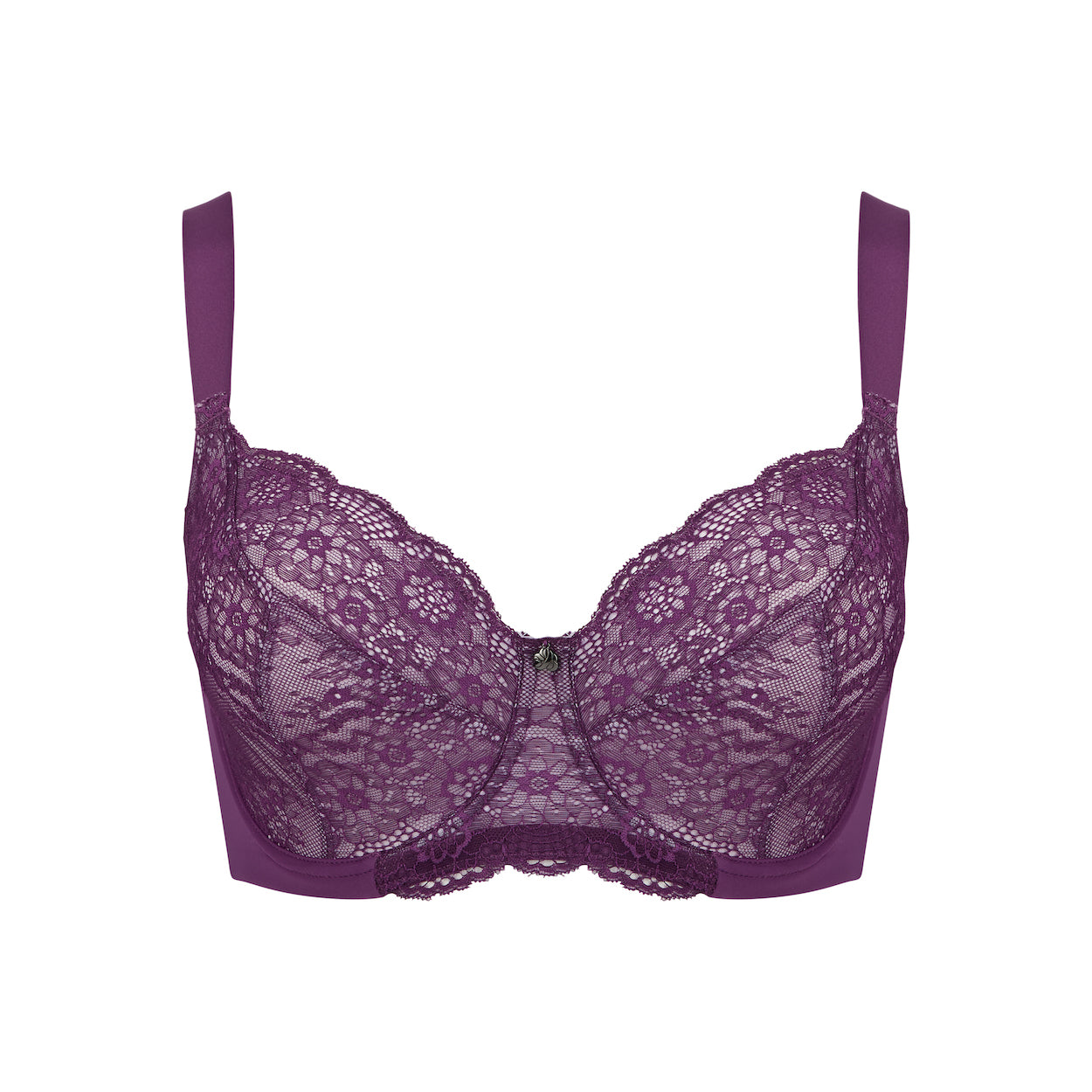
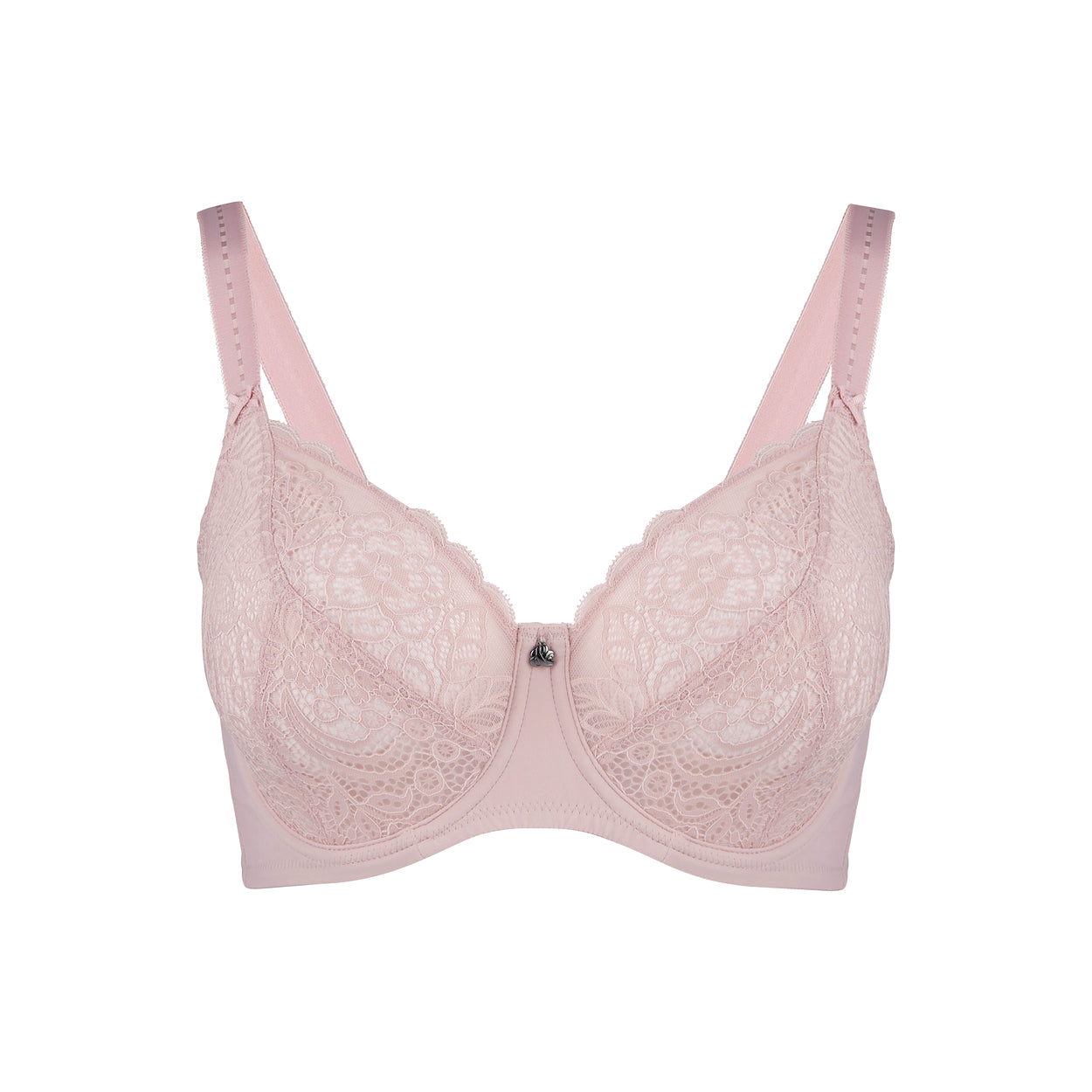
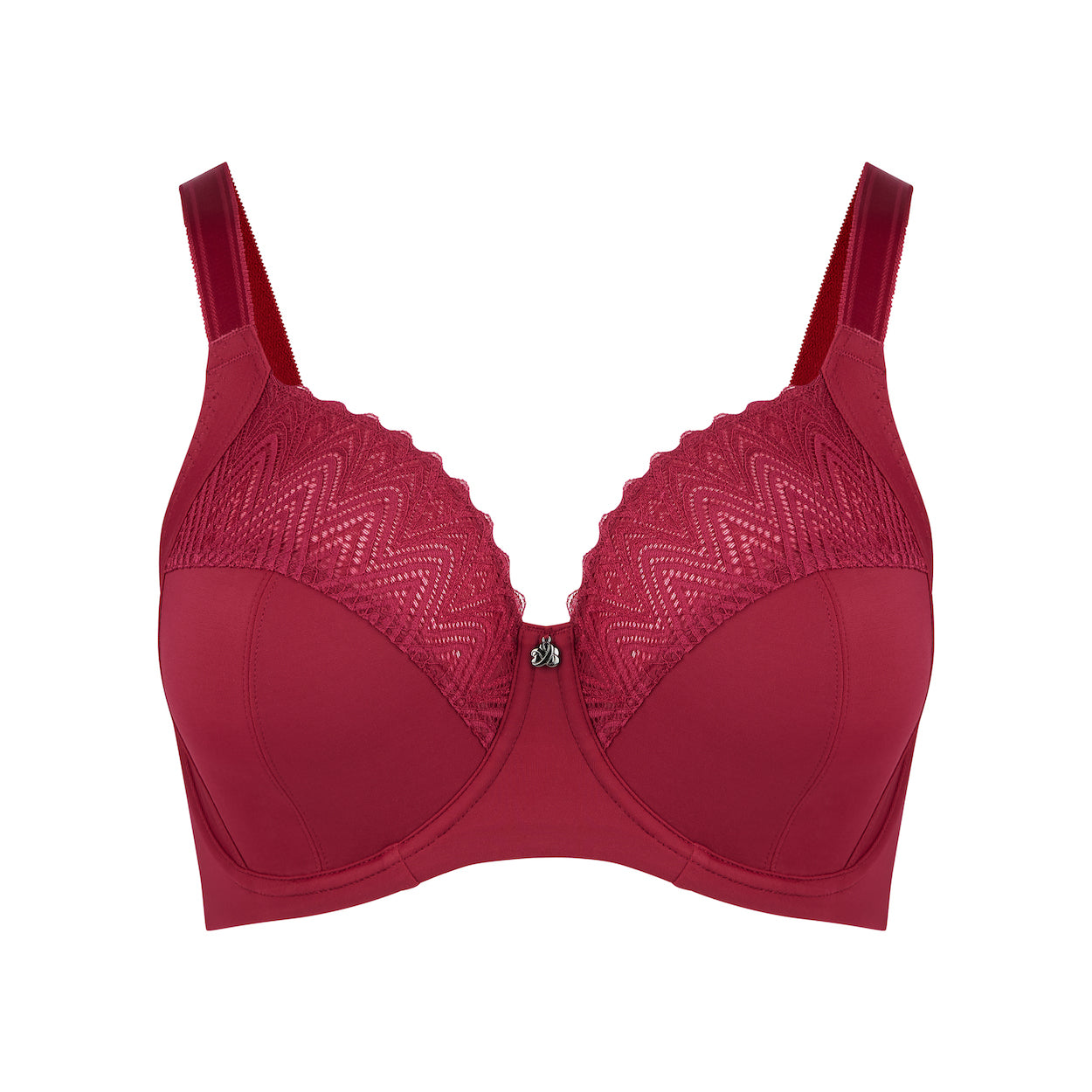
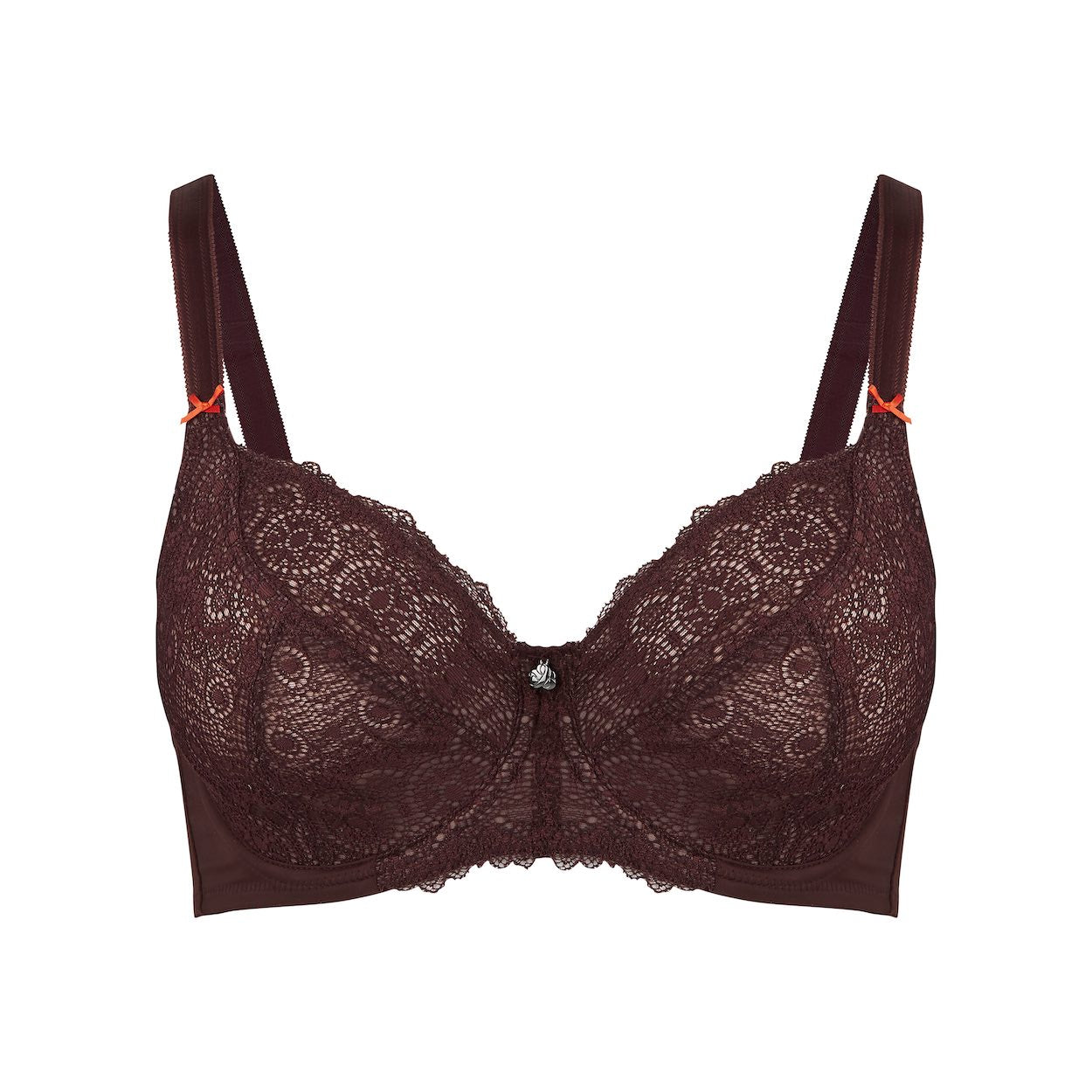
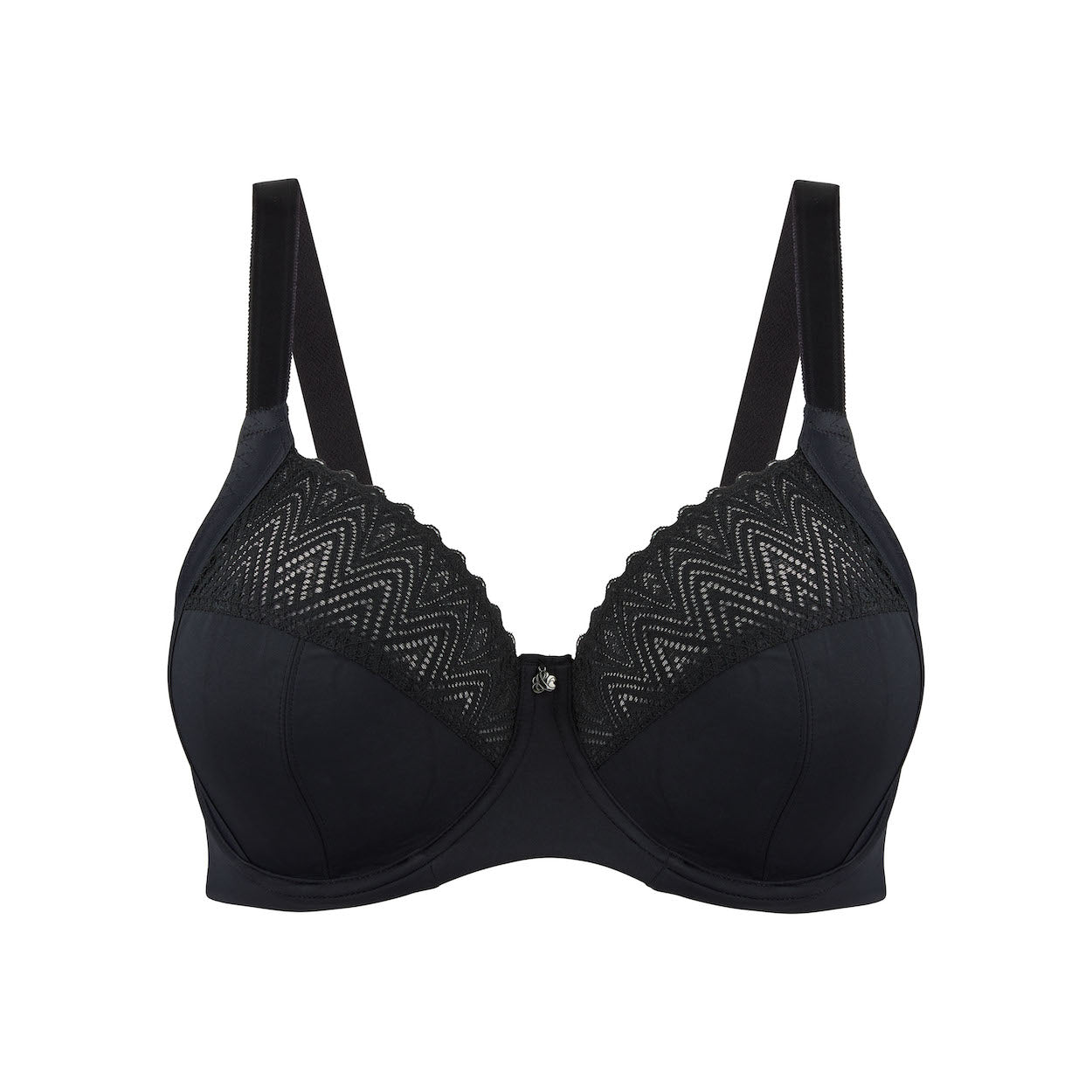
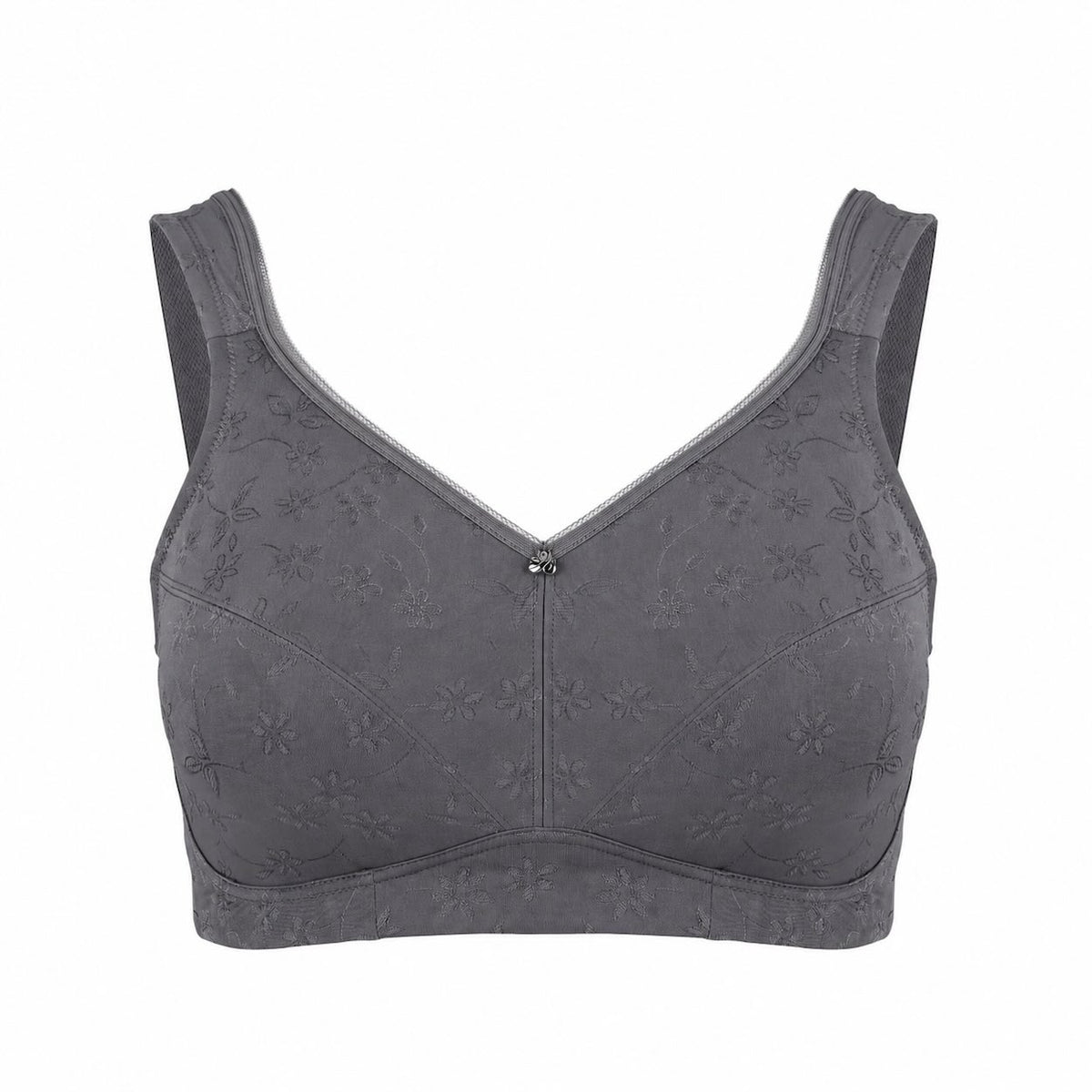
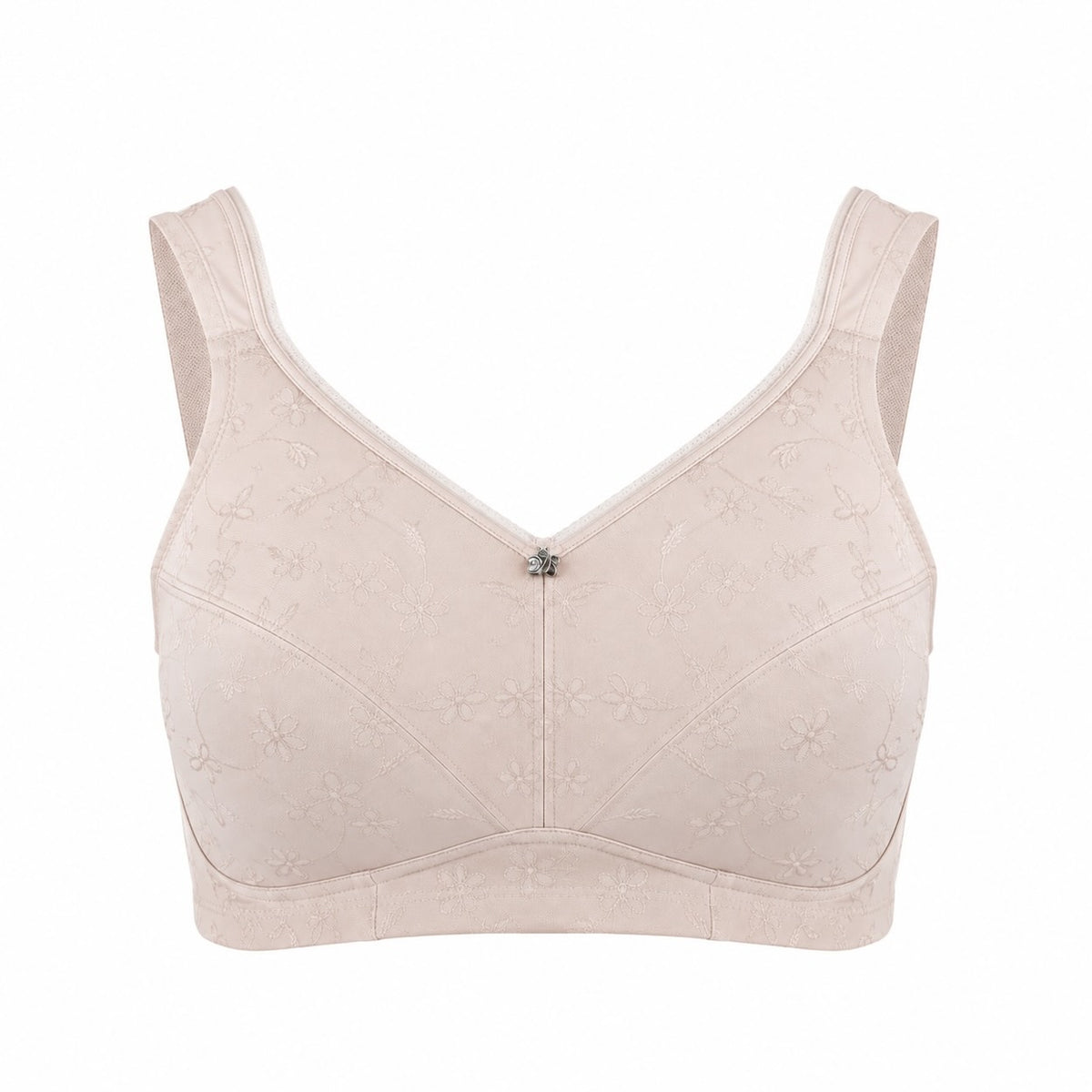
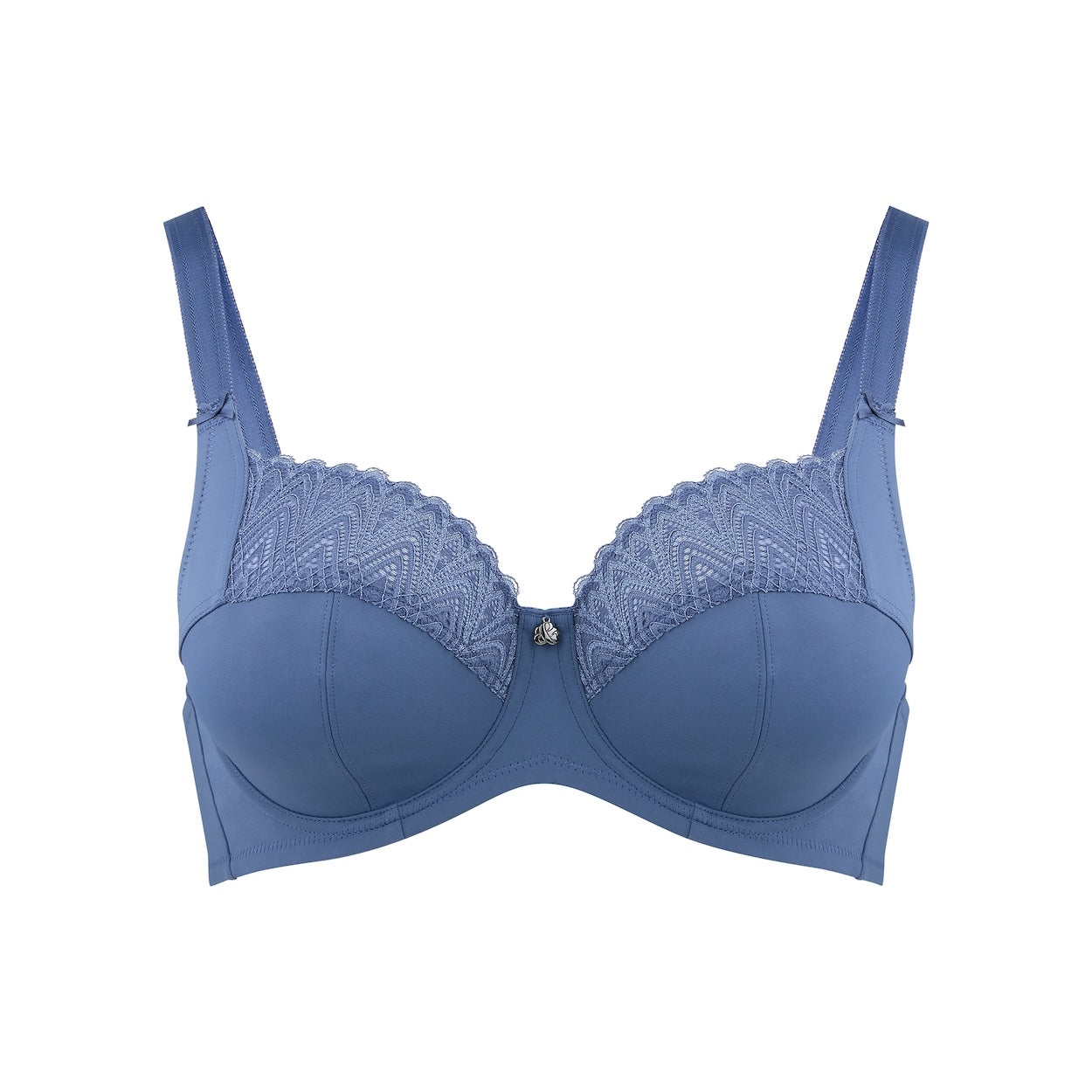
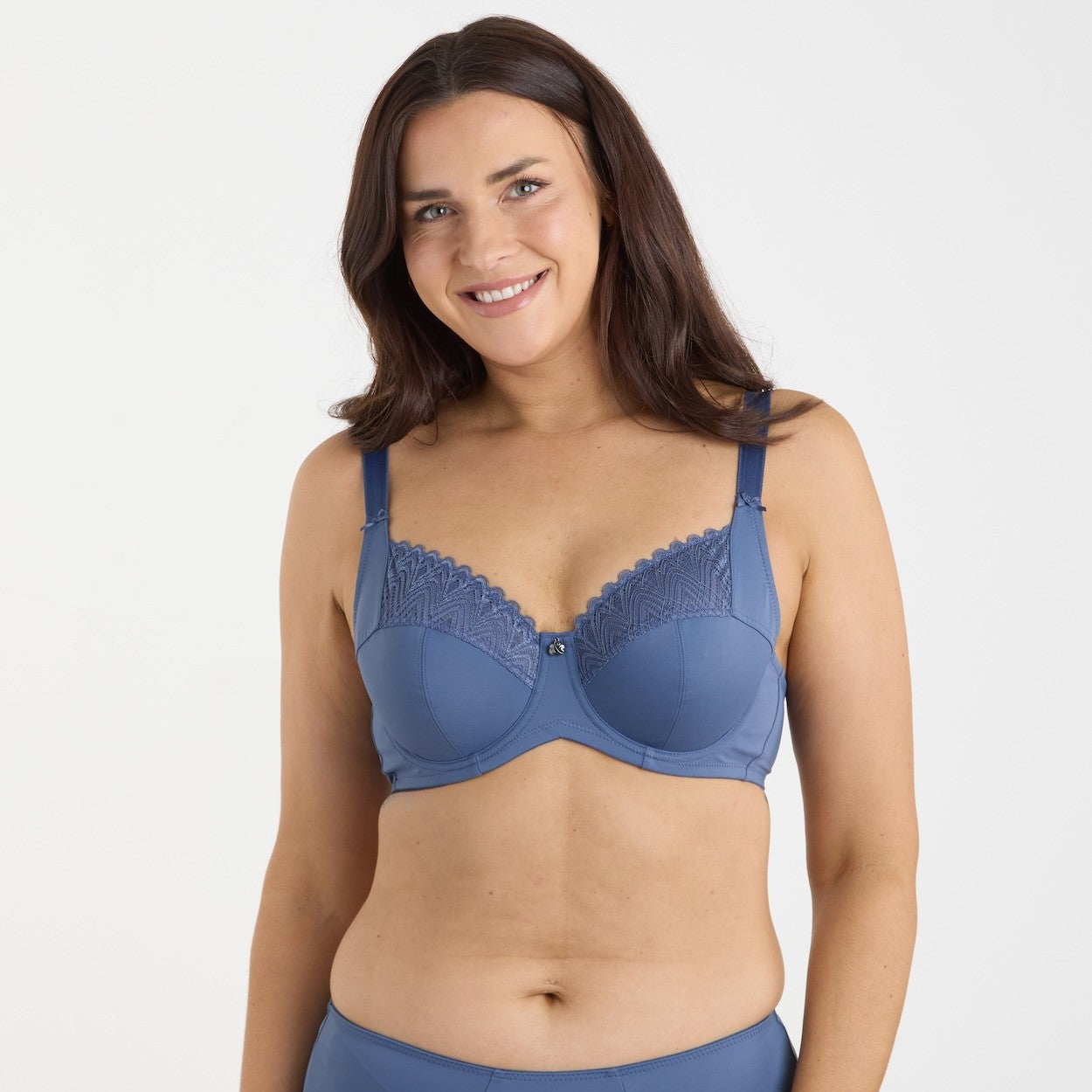
At Rose & Thorne, we set out to create bras that work for the majority of women, not a small sample size. Most of our bras feature lace tops, which have enough stretch to accommodate projected and top-heavy breasts, as well as give a snug fit to shallow and bottom-heavy breasts. We offer side support panels across the range, to help create a rounded shape, and even engineered a unique underwire to be more comfortable and supportive for women who wear a G cup or above (learn more in Premium vs Full Cup Bras).
But of course, no matter how well designed the bra is, it still needs to be right for you. That’s why we offer an online bra fitting service, where our bra gurus take the guesswork out of finding your perfect fit, with personalised advice based on your size, shape and the features that matter most to you.
Ready to put what you've learnt into practice? Shop bras by size and discover a new favourite that fits beautifully, whatever your breast shape. Use our Bra Fit Quiz too.